


How These Small Creatures Are Transforming One of America’s Most Important Waterways
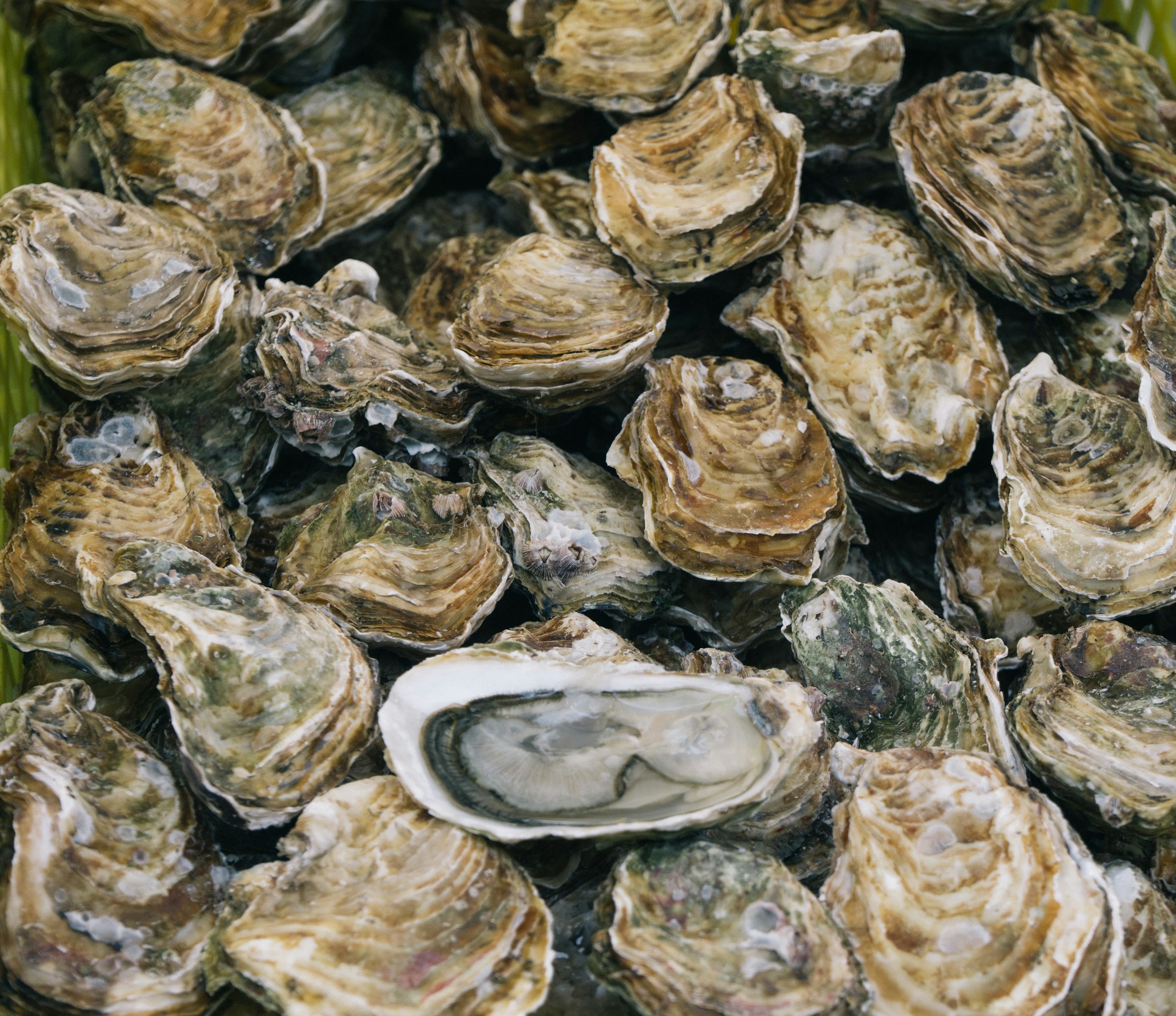

The Hidden Heroes of the Potomac
When most people look at the Potomac River, they see water, boats, and shorelines.
What they don’t see is one of the most powerful natural systems working beneath the surface:
👉 Oysters.
These small, often overlooked creatures are quietly playing a massive role in improving water quality, restoring ecosystems, and shaping the future of the Potomac River.
And with growing efforts—including restoration and future oyster farming initiatives—oysters are becoming central to bringing this river back to life.
Here are 10 things you probably didn’t know about oysters in the Potomac River.
1. Oysters Once Covered the Bottom of the Potomac River
Centuries ago, oyster reefs were so abundant in the Potomac River that they formed massive underwater structures.
These reefs:
- Provided habitat for fish and crabs
- Filtered enormous amounts of water
- Helped stabilize the riverbed
Today, those populations are only a fraction of what they once were—but restoration efforts are working to bring them back.
2. Oysters Are Natural Water Filters
Each oyster can filter up to 50 gallons of water per day.
As they feed, they remove:
- Algae
- Sediment
- Pollutants
In a river like the Potomac, where runoff and debris are constant challenges, this filtration is critical.
👉 More oysters = cleaner water
3. The Potomac River Is a Key Entry Point to the Chesapeake Bay
The Potomac is one of the largest rivers feeding into the Chesapeake Bay.
That means:
👉 Pollution in the Potomac doesn’t stay in the Potomac
It flows downstream.
By restoring oyster populations in the Potomac River, we can improve water quality across the entire Chesapeake Bay ecosystem.
4. Oysters Help Reduce Algae Blooms
Excess nutrients in the water can lead to harmful algae blooms, which:
- Reduce oxygen levels
- Harm fish and marine life
- Disrupt ecosystems
Oysters naturally filter out these nutrients, helping to reduce the severity of these blooms.
5. Oyster Reefs Create Entire Ecosystems
Oyster reefs are not just clusters of shellfish—they are habitats.
They provide:
- Shelter for small fish and crabs
- Breeding grounds for marine species
- Protection from predators
In the Potomac River, rebuilding oyster reefs means rebuilding biodiversity.
6. Oysters Help Protect Shorelines
Oyster reefs act like natural barriers.
They:
- Reduce wave energy
- Prevent erosion
- Protect coastal areas
In a changing climate with rising water levels, this protection is more important than ever.
7. The Potomac River Still Has Active Oyster Harvesting
The Potomac River is one of the few places where oysters are still harvested under regulated conditions.
This creates:
- Economic opportunities
- Sustainable fisheries
- Incentives to protect oyster populations
However, balancing harvesting with restoration is key to long-term success.
8. Oyster Restoration Is Already Happening
Efforts are underway to rebuild oyster populations in the Potomac River.
These include:
- Seeding oyster beds
- Protecting reef areas
- Monitoring water quality
Organizations and agencies are working together to bring oysters back at scale.
9. Oyster Farms Can Accelerate Recovery
Natural recovery takes time—but oyster farms can speed up the process.
By cultivating oysters in controlled environments, farms can:
- Increase oyster populations quickly
- Boost filtration capacity
- Support ecosystem restoration
This is why initiatives to build oyster farms in the Potomac River are so important.
10. Oysters Could Help Solve the Potomac’s Water Quality Challenges
The Potomac River faces ongoing issues from:
- Pollution
- Runoff
- Plastic waste
While oysters can’t solve everything, they are a critical part of the solution.
Combined with:
- Cleanup efforts
- Reduced pollution
- Community engagement
Oysters help create a system that restores balance to the river.
The Future of Oysters in the Potomac River
The story of oysters in the Potomac River is one of loss—but also one of opportunity.
With the right efforts:
- Oyster populations can grow
- Water quality can improve
- Ecosystems can recover
And initiatives like oyster farming and restoration projects are helping move this vision forward.
Final Thought: Small Creatures, Massive Impact
It’s easy to overlook oysters.
They’re quiet. Hidden. Unassuming.
But their impact is enormous.
They clean water, support life, and help rebuild ecosystems in ways no machine can replicate.
And in the Potomac River, they may be one of the most powerful tools we have for restoration.
How Ocean Blue Project Is Making a Difference
Ocean Blue Project is an ocean cleanup nonprofit dedicated to removing plastic pollution from our waterways while restoring ecosystems like the Chesapeake Bay and Potomac River. Through hands-on efforts such as beach and river cleanups, community engagement, and emerging restoration projects like oyster farming, the organization is creating real, measurable impact. You can be part of that change by supporting ongoing efforts through donations to remove plastic and fund cleanups, joining one of their national cleanups, or simply searching for a volunteer cleanup near me to take action in your own community. Every contribution—whether it’s your time, your voice, or your support—helps protect our oceans and build a cleaner future.
Have a Group that wants to help remove plastic? Host a Beach Cleanup!

