


How Does Plastic Get Into the Ocean? (Complete Guide)

If you’ve ever asked yourself how plastic gets into the ocean, you’re already thinking about one of the most important environmental challenges of our time.
Most people picture trash floating in the ocean or washing up on beaches—but the real story starts somewhere else entirely.
👉 Plastic pollution begins on land.
At Ocean Blue Project, we focus on stopping plastic where it starts—before it ever reaches the ocean. Because once it gets there, it becomes much harder to remove and far more dangerous to marine life.
The Real Source of Ocean Plastic
Here’s something most people don’t realize:
👉 Over 80% of ocean plastic comes from land-based sources.
That means everyday actions—like littering, improper waste disposal, or even overflowing trash bins—can lead directly to ocean pollution.
Common sources include:
- Plastic bottles and packaging
- Food wrappers and single-use plastics
- Urban litter and roadside debris
- Construction and industrial waste
These materials don’t just stay where they’re dropped.
They move.
From Streets to Streams: The Journey of Plastic
To understand how plastic gets into the ocean, you have to follow its path.
Step 1: Plastic Is Left Behind
It starts with something small:
- A bottle left at a park
- A wrapper dropped on the street
- Trash blown out of a bin
These items may seem harmless—but they rarely stay in one place.
Step 2: Rain and Runoff Carry It Away
When it rains, water flows across:
- Streets
- Sidewalks
- Parking lots
As it moves, it picks up plastic and carries it into storm drains.
Most people assume storm drains lead to treatment facilities—but in many cases:
👉 They flow directly into local waterways.
Step 3: Storm Drains Feed Rivers and Creeks
Once plastic enters the stormwater system, it travels into:
- Creeks
- Streams
- Rivers
These waterways become transportation systems for pollution.
Step 4: Rivers Deliver Plastic to the Ocean
This is the most important step—and where Ocean Blue Project focuses its work.
👉 Rivers are one of the largest sources of ocean plastic.
Plastic can travel:
- Across cities
- Through entire regions
- For miles downstream
That’s why we prioritize river and upstream cleanups.
By removing debris early, we stop it before it ever reaches the ocean.
👉 You can take action by joining a
river cleanup near you.
Step 5: Plastic Enters the Ocean
Eventually, rivers empty into the ocean—bringing everything with them.
Once plastic reaches the ocean:
- It spreads across coastlines
- It circulates in currents
- It becomes nearly impossible to fully remove
Some washes ashore—but much of it remains in the water, affecting marine ecosystems.
What Happens Next: The Microplastics Problem
Plastic doesn’t disappear.
Instead, it breaks down into smaller and smaller pieces over time.
These fragments are called microplastics.
👉 Learn more about
what microplastics are and why they matter.
Microplastics:
- Are nearly impossible to clean up
- Enter the food chain
- Have been found in marine life—and even humans
This is why early intervention matters so much.
Why This Is a Problem for Marine Life
When plastic enters the ocean, it puts wildlife at risk.
Animals often:
- Mistake plastic for food
- Become entangled in debris
- Suffer injury, starvation, or death
Species affected include:
- Sea turtles
- Seabirds
- Fish
- Marine mammals
Every piece of plastic removed upstream is one less threat in the ocean.
The Scale of the Problem
Millions of tons of plastic enter the ocean every year.
And without intervention, that number continues to grow.
This isn’t just an environmental issue—it’s a global one that affects:
- ecosystems
- economies
- human health
To understand the full scope, explore our guide on
👉 ocean pollution and its causes.
Why Ocean Blue Project Focuses on Prevention
Beach cleanups are important—but they’re only part of the solution.
At Ocean Blue Project, we focus on:
👉 stopping plastic before it reaches the ocean
That means:
- cleaning rivers and waterways
- removing debris upstream
- mobilizing communities to take action
Because once plastic reaches the ocean, the problem becomes much harder to solve.
How You Can Help Stop Plastic Pollution
The most important thing to know is this:
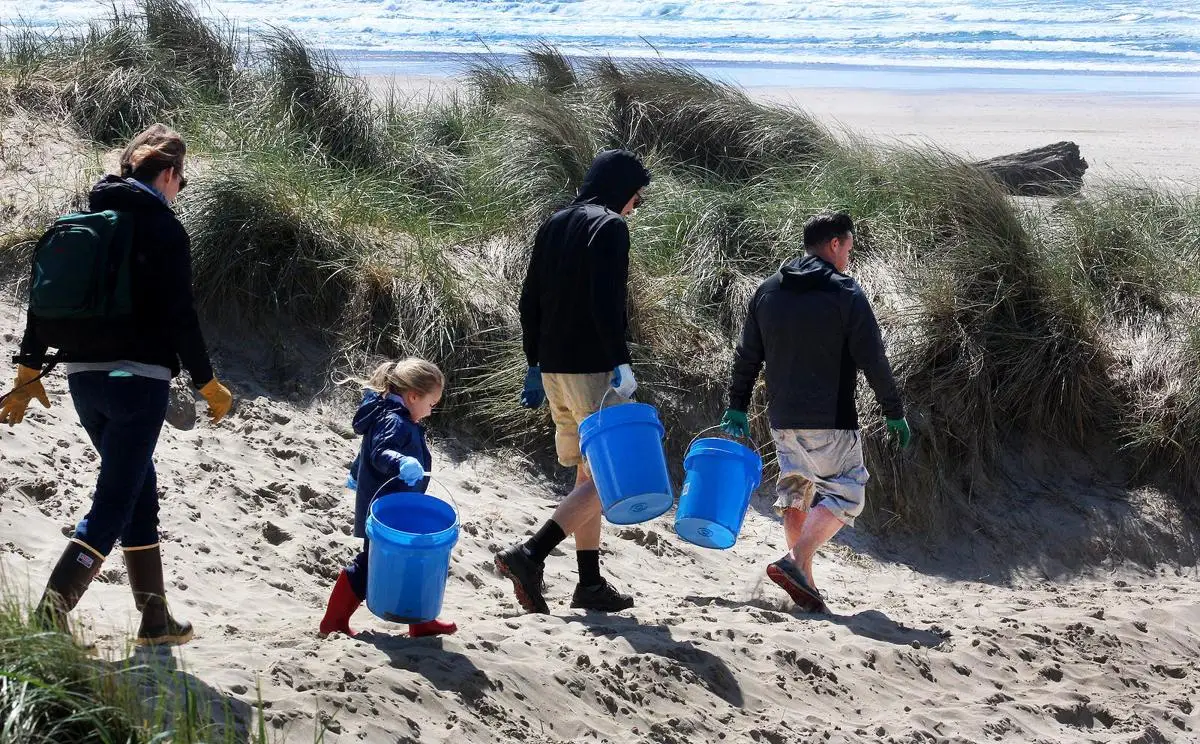
Join a Cleanup
One of the most effective ways to help is by removing plastic directly from the environment.
👉 You can
find a beach cleanup near you
and take action today.
Go Upstream: Join a River Cleanup
If you want to stop plastic before it reaches the ocean:
👉 Join a
river cleanup near you
This is one of the most impactful actions you can take.
Spread Awareness
Education is powerful.
Share this information:
- with friends and family
- on social media
- in your community
The more people understand the problem, the more solutions we create.
Reduce Plastic Use
Prevention starts at home.
Simple changes include:
- using reusable products
- avoiding single-use plastics
- choosing sustainable alternatives
Support Ocean Cleanup Efforts
Expanding cleanup efforts requires resources.
👉 You can
support ocean cleanup efforts
and help us remove more plastic from rivers and coastlines.
Why This Matters
Ocean plastic pollution doesn’t start in the ocean—it starts with everyday actions on land.
But that also means:
By understanding how plastic gets into the ocean, we can interrupt that journey—and protect marine life before the damage is done.
Final Thought
At Ocean Blue Project, we believe the most effective solution is also the simplest:
👉 Remove plastic
👉 Take action locally
👉 Donate
The ocean can’t clean itself—but together, we can.

