


Prehistoric Sea Monsters: Unveil Ancient Titans of the Deep
By Abraham Mengistu
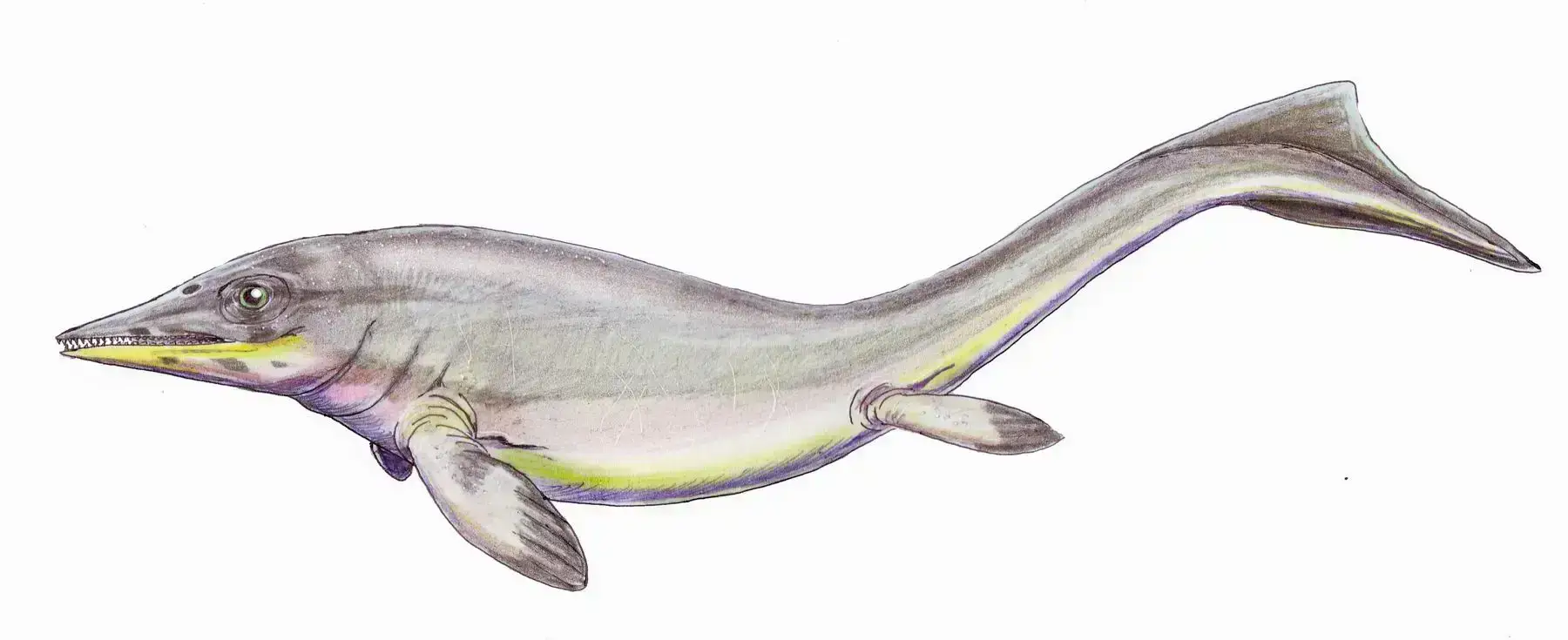

Introduction
Earth’s oceans are full of life, and possibly more prehistoric sea monsters than we realize. With the vast size of the ocean, it makes one wonder about the creatures that live in the deep. Scientists believe that we have only identified 9 percent of ocean species.
While we may not know most ocean species, what about the species that we do know? Some well-known ocean species include blue whales, orcas, dolphins and sharks.
Ancient tales have been spread and passed down among generations, likening these species to sea monsters. What about ancient sea monsters that existed in prehistoric times? In this article, we will take a deep dive into prehistoric sea monsters!
Mesozoic Marine Life
The Mesozoic era was known as the “Age of Reptiles”. In this period, the supercontinent Pangea started to split into the modern continents. Prehistoric animals like dinosaurs, pterosaurs, pliosaurs, and ichthyosaurs roamed the Earth. The oceans of the Mesozoic were full of life. There were a variety of prehistoric sea animals that lived in the oceans. Examples include sea turtles, prehistoric sharks, cephalopodes, fish, and predatory marine reptiles.
Before large mammals, aquatic reptiles were the rulers of the ocean. They filled in the predatory niches of the ocean. It should be noted that marine reptiles were not dinosaurs, since they had different ancestors than dinosaurs. Many marine reptiles were also only distantly related to each other.
Prehistoric Sea Monsters

What was the largest prehistoric sea creature?
The largest prehistoric sea creature was the ichthyosaur. Ichthyosaurs were an order of marine reptiles that existed in the Mesozoic era. While some ichthyosaur species were about 1 meter (or 3 feet) in length on the smaller end, other species were massive.
Did you know, fossilized bones of an ichthyosaur were recently found in the Swiss Alps. The fossils are estimated to be between 200 and 250 million years old. What’s more, these creatures weighed as much as 80 tonnes, and measured more than 20 meters long. Despite being reptiles, their bodies were similar to modern-day dolphins.
Also, these marine reptiles evolved to have a streamlined body, elongated skull, and fins in order to adapt to the marine environment. With a skull that is two meters long, the fossil suggests that it may have been even larger than a blue whale!
What is the scariest prehistoric sea creature?
While this might be subjective, most can agree that large, predatory animals make for some of the scariest creatures! In the triassic era, two particular prehistoric sea monsters come to mind. Both are marine reptiles.
The first scary prehistoric sea creature we will discuss is the previously mentioned ichthyosaur. Ichthyosaurs had razor-sharp teeth. The largest species of ichthyosaurs being roughly the size of whales. Their diet included fish, squid, and other marine animals.
Some species of ichthyosaurs had large eyes, which may have helped them in their deep-sea hunting. Imagine being on a boat in the ocean, and seeing one jump out of the ocean right by you!
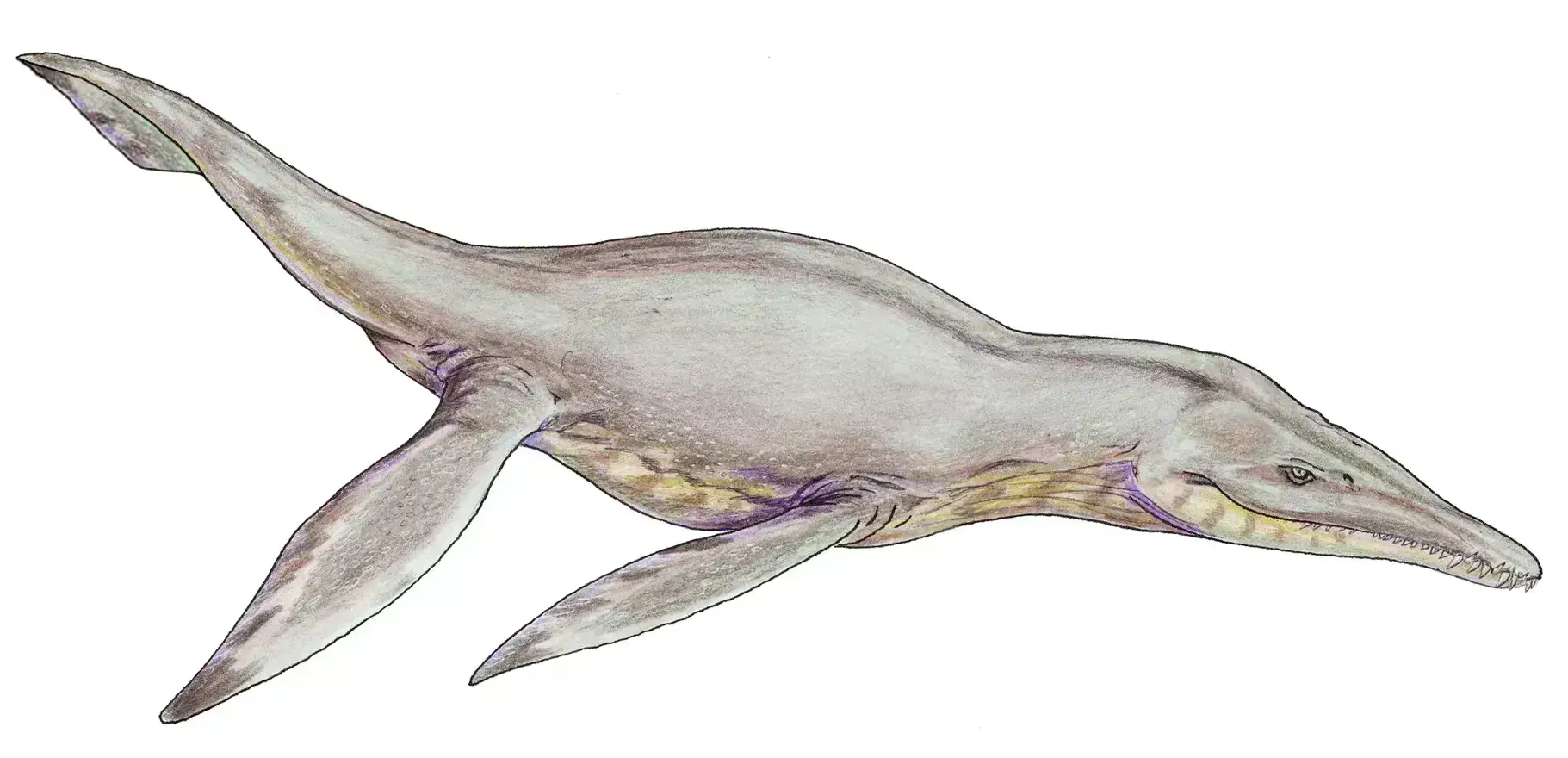
An even scarier prehistoric sea creature is the pliosaur. Pliosaurs were carnivorous marine reptiles. These marine reptiles existed from the early Jurassic period to the mid-Cretaceous period.
The sea creature ranged from 4 to 10 in length, with some species exceeding 10 meters. Pliosaurs used their flippers to swim, whereas ichthyosaurs used their tails. Pliosaurs prey included sharks, fish, dinosaurs, and ichthyosaurs.
What is the oldest sea monster in the world?
Recently, research has identified the oldest sea monster in the world to possibly be a genus of pliosaurs known as lorrainosaurus. This genus of marine predators was discovered from fossils that were found in north-eastern france. The fossils date to around 170 million years old.
These sea creatures have been described as apex predators of their time. Lorrainosaurus were essentially the first pliosaurs that were mega-predators of their species. The jaws of lorrainosaurus were over 1.3 meters long, and it had an overall length of 6 meters from snout to tail.
What is the deadliest sea monster ever?
In terms of the deadliest sea monster in prehistoric times, pliosaurs will take the crown on this. Both ichthyosaurs and pliosaurs were deadly predators. However, when comparing what they preyed on, it seems that pliosaurs were deadlier.
While both ichthyosaurs and pliosaurs had similar diets, pliosaurs preyed on other marine predators, including ichthyosaurs! Pliosaurs filled the same ecological niche as killer whales in modern times. Pliosaurs were the deadliest sea monster, or apex predators, of their time.
Conservation and Connection
A long time ago, during the “Great Dying,” most creatures living in the sea died. This happened because the Earth got really hot, making it hard for ocean animals to breathe due to less oxygen in the water. Scientists say this event is a lot like what’s happening today with global warming.
Just like back then, the ocean is losing oxygen because of pollution and climate change, which is not good for sea life.During the time of dinosaurs, the ocean was full of amazing and huge creatures like ichthyosaurs and pliosaurs. Ichthyosaurs were like big fish-lizards that lived in the sea, and some could get as long as 40 feet!
Plesiosaurs, on the other hand, had really long necks and could swim by flapping their fins. But just like the “Great Dying,” these creatures faced challenges. Many disappeared because of significant changes in their environment, like cooling temperatures.
Conclusion


What happened a long time ago in the oceans teaches us a critical lesson. Dramatic changes in the Earth’s environment will have an impact on marine life. Today, challenges like pollution and climate change pose threats to our oceans. These challenges are like events that led to the extinction of prehistoric sea life. Learning from the past can inspire us to take better care of our oceans now.
At Ocean Blue Project, we’re committed to making our oceans and rivers cleaner and safer by organizing cleanups. We offer a range of volunteering opportunities for you to help tackle plastic pollution. By joining or organizing a local CleanUp, signing up for our newsletter, and donating, you can support our cause. Your contributions are used to organize cleanups at beaches, oceans, and rivers. These activities will help us to protect marine life for future generations!
Author Bio: Abraham Mengistu studied Supply Chain Management at Western Michigan University. In his free time, he enjoys watching action shows, reading, and learning new things.

