
What Happens During an Ocean Blue Project Beach Cleanup? (What to Expect)
What happens during a beach cleanup?
At an Ocean Blue Project beach cleanup, volunteers collect plastic and trash from beaches, rivers, and shorelines, then sort and dispose of the debris responsibly. These cleanups help prevent ocean pollution, protect marine life, and stop plastic from breaking down into harmful microplastics.
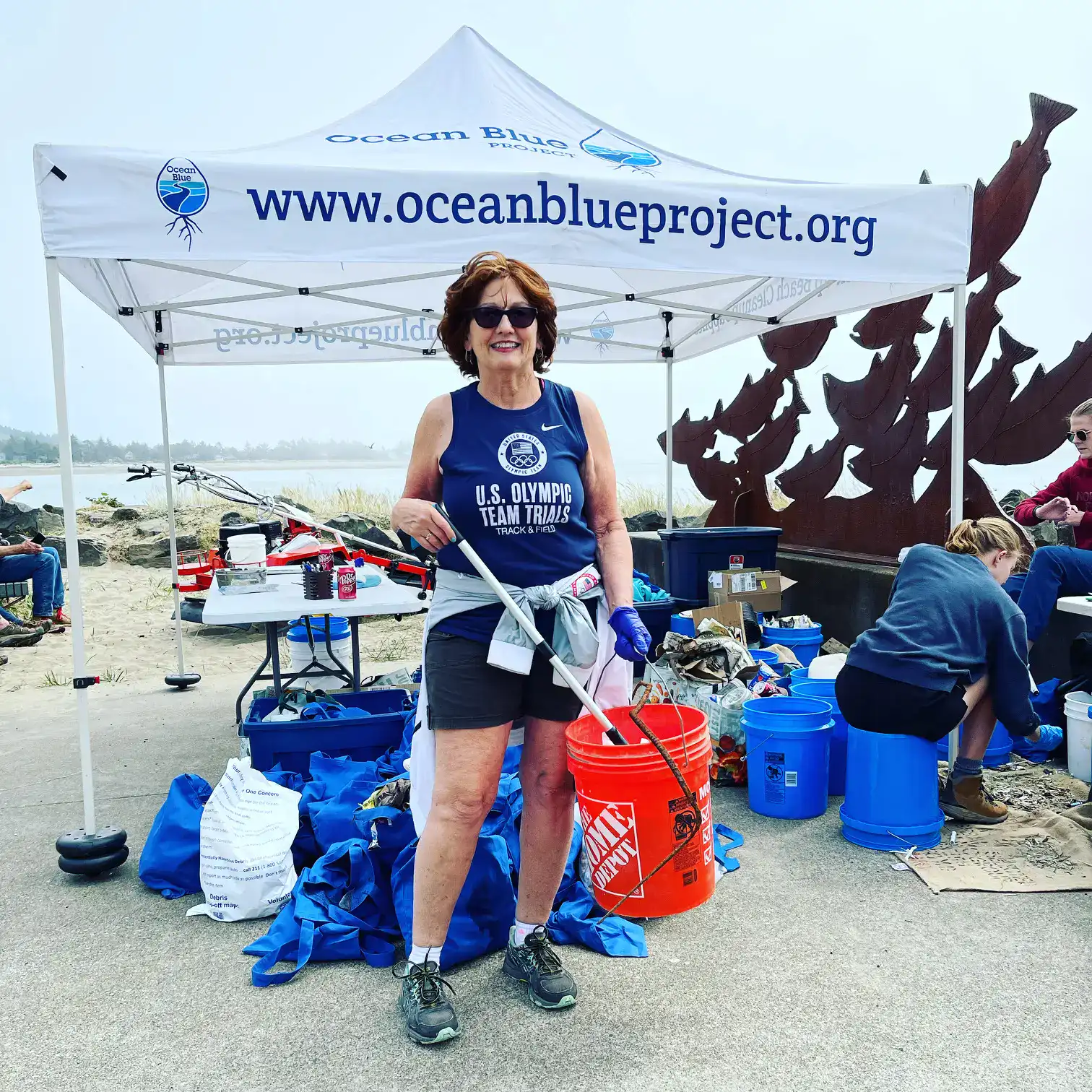
If you’ve ever thought about joining an Ocean Blue Project cleanup but weren’t sure what to expect, you’re not alone.
Many people want to help protect our oceans—but hesitate because they don’t know:
- what actually happens at a cleanup
- what to bring
- or if they’ll know what to do
The truth is:
👉 Ocean Blue Project cleanups are simple, hands-on, and designed for anyone to join.
Whether it’s your first time or your tenth, every cleanup is an opportunity to take real action and make a measurable difference.
Support Ocean Cleanup Efforts

Every cleanup you see doesn’t happen on its own.
From gloves and equipment to organizing volunteers and removing thousands of pounds of debris—real impact takes real resources.
👉 Your support helps Ocean Blue Project:
- Remove plastic from rivers and coastlines
- Prevent pollution before it reaches the ocean
- Mobilize communities and volunteers
- Protect marine life from harm
Even a small contribution goes a long way.
Make a Difference Today

Whether you’ve joined a cleanup or are just learning about the issue, you can be part of the solution.
👉 Donate today to help expand cleanup efforts and protect our oceans.
Why It Matters
Every piece of plastic removed is:
- one less threat to marine life
- one step toward healthier ecosystems
- one action that creates lasting change
Together, we can stop plastic pollution before it reaches the ocean.
Why Ocean Blue Project Cleanups Matter
At Ocean Blue Project, we focus on a simple but powerful idea:
👉 Stop plastic before it reaches the ocean.
Most plastic pollution doesn’t start in the ocean—it starts on land and travels through storm drains, rivers, and waterways.
That’s why our cleanups target:
- beaches
- rivers
- urban waterways
By removing debris early, we protect marine life and prevent plastic from breaking down into harmful microplastics.
👉 Learn more about
how plastic gets into the ocean
Step 1: Arriving at the Cleanup

When you arrive at an Ocean Blue Project beach cleanup, you’ll immediately notice something:
👉 It’s welcoming, organized, and community-driven.
You’ll:
- Meet Ocean Blue Project team members
- Check in quickly
- Connect with other volunteers
- join a beach cleanup near you
Many people come alone—and leave feeling part of a team.
Step 2: Getting Equipped

We provide the essentials so you can jump right in.
Most Ocean Blue Project cleanups include:
- Gloves
- Buckets or bags
- Cleanup tools (when needed)
We also encourage reusable gear to reduce waste.
👉 You don’t need experience—just a willingness to help.
Step 3: Quick Orientation

Before starting, our team gives a short, clear overview.
This includes:
- Where to clean
- What to look for
- Safety guidelines
- How to sort materials
We keep it simple so you can get started quickly and confidently.
Step 4: Taking Action

This is where the impact happens.
Volunteers spread out and begin removing debris from the environment.
At an Ocean Blue Project cleanup, you’ll typically find:
- Plastic bottles
- Food wrappers
- Fishing line
- Foam and packaging
- Microplastics
Some items are obvious. Others are small—but just as harmful.
👉 Every piece removed matters.
Why We Focus on Rivers and Upstream Cleanup
One of the things that makes Ocean Blue Project different is our focus on upstream solutions.
👉 Rivers are one of the largest sources of ocean plastic.
That’s why many of our cleanups happen before debris ever reaches the ocean.
By working upstream, we:
- stop pollution earlier
- reduce long-term impact
- protect ecosystems more effectively
👉 You can make a big difference by joining a
river cleanup near you
What You’ll Notice During a Cleanup
A cleanup isn’t just about picking up trash—it changes how you see the world.
Awareness
You begin to notice:
- how plastic accumulates
- where it comes from
- how widespread the problem is
Community
You’ll meet:
- volunteers
- families
- students
- local leaders
Ocean Blue Project cleanups bring people together around a shared mission.
A Shift in Perspective
Many volunteers leave thinking:
👉 “I never realized how much of a difference this makes.”
Step 5: Sorting and Measuring Impact
At many Ocean Blue Project cleanups, we track what we collect.
This can include:
- sorting recyclables
- counting items
- weighing debris
This data helps us:
- understand pollution sources
- improve cleanup strategies
- share real impact with the community
Step 6: Responsible Disposal
Everything collected is handled properly.
We work to:
- recycle what we can
- dispose of waste responsibly
- keep materials out of the environment
👉 Nothing goes back into the ecosystem.
Step 7: Seeing the Difference
At the end of the cleanup, you’ll see the impact:
- piles of collected debris
- cleaner shorelines
- visible results
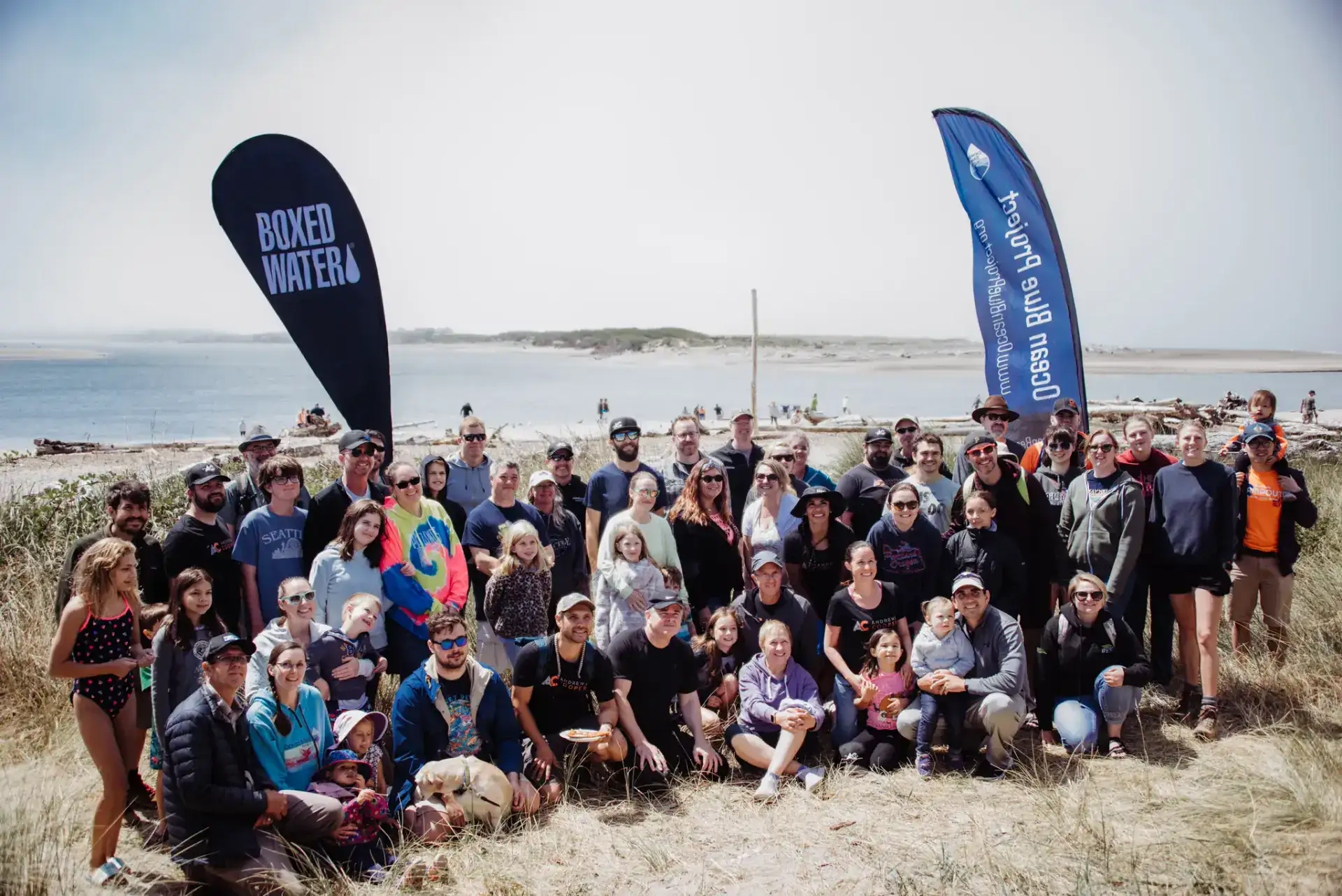
We often take group photos—not just to celebrate, but to show what’s possible when people come together.
Why Your Work Matters
Every cleanup helps:
- protect marine life
- reduce microplastics
- improve ecosystems
👉 Learn more about
what microplastics are and why they matter
Even small actions prevent long-term damage.
What to Bring to an Ocean Blue Project Cleanup
We keep things simple, but here’s what helps:
✔ Essentials
- Reusable water bottle
- Sunscreen
- Hat
- Comfortable clothes
- Closed-toe shoes
✔ Optional
- Reusable gloves
- Trash grabber
- Snacks
👉 Come prepared, but don’t stress—we’ve got you covered.
Safety First
Our cleanups are safe and guided.
We ask volunteers to:
- wear gloves
- avoid hazardous items
- follow team instructions
- stay aware of surroundings
If you’re unsure about something, our team is always there to help.
Who Can Join?
Everyone.
Ocean Blue Project cleanups are open to:
- individuals
- families
- students
- corporate groups
👉 No experience required.
How to Make a Bigger Impact
Bring Others
Cleanups grow stronger with more people.
Invite:
- friends
- coworkers
- your community
- Your Husband or Wife
- Bring your children
- bring your pet
Share Your Experience
Help spread awareness:
- post photos
- tell your story
- inspire others
Support the Mission
Donations help us expand our impact and reach more communities.
👉 You can
support ocean cleanup efforts here
Reduce Plastic Use
Cleanup is one part of the solution—prevention is the other.
Make simple changes:
- use reusable items
- avoid single-use plastics
What Happens After the Cleanup?
Your impact continues beyond the event.
Every cleanup:
- prevents pollution from reaching the ocean
- contributes to long-term data
- inspires ongoing action
👉 This is how local effort becomes global change.
Why It Matters
Ocean pollution can feel overwhelming—but cleanups prove something powerful:
👉 We can make a difference, starting right where we are.
At Ocean Blue Project, we believe:
- action creates change
- communities drive impact
- solutions start locally
Ready to Join an Ocean Blue Project Cleanup?
Now that you know what to expect, the next step is simple:
👉 Show up and take action.
- Meet your community
- Protect the environment
- Be part of the solution
👉 Find a beach cleanup near you
Final Thought
Every piece of plastic removed is:
- one less threat to marine life
- one step toward cleaner oceans
The ocean can’t clean itself—
👉 but together, we can.
FAQ
What happens during a beach cleanup?
During an Ocean Blue Project beach cleanup, volunteers check in, receive supplies, and remove plastic and debris from beaches, rivers, and waterways. The collected waste is then sorted, measured, and properly disposed of to prevent it from harming marine life.
Do I need experience to join a beach cleanup?
No experience is required. Ocean Blue Project cleanups are designed for everyone, including first-time volunteers. You’ll receive simple instructions, guidance, and support from the team.
What should I bring to a beach cleanup?
Most cleanups provide gloves and bags, but it’s recommended to bring a reusable water bottle, sunscreen, comfortable clothing, and closed-toe shoes. Optional items include reusable gloves and a trash grabber.
