



Glass vs. Plastic Bottles: From Waste to Worth
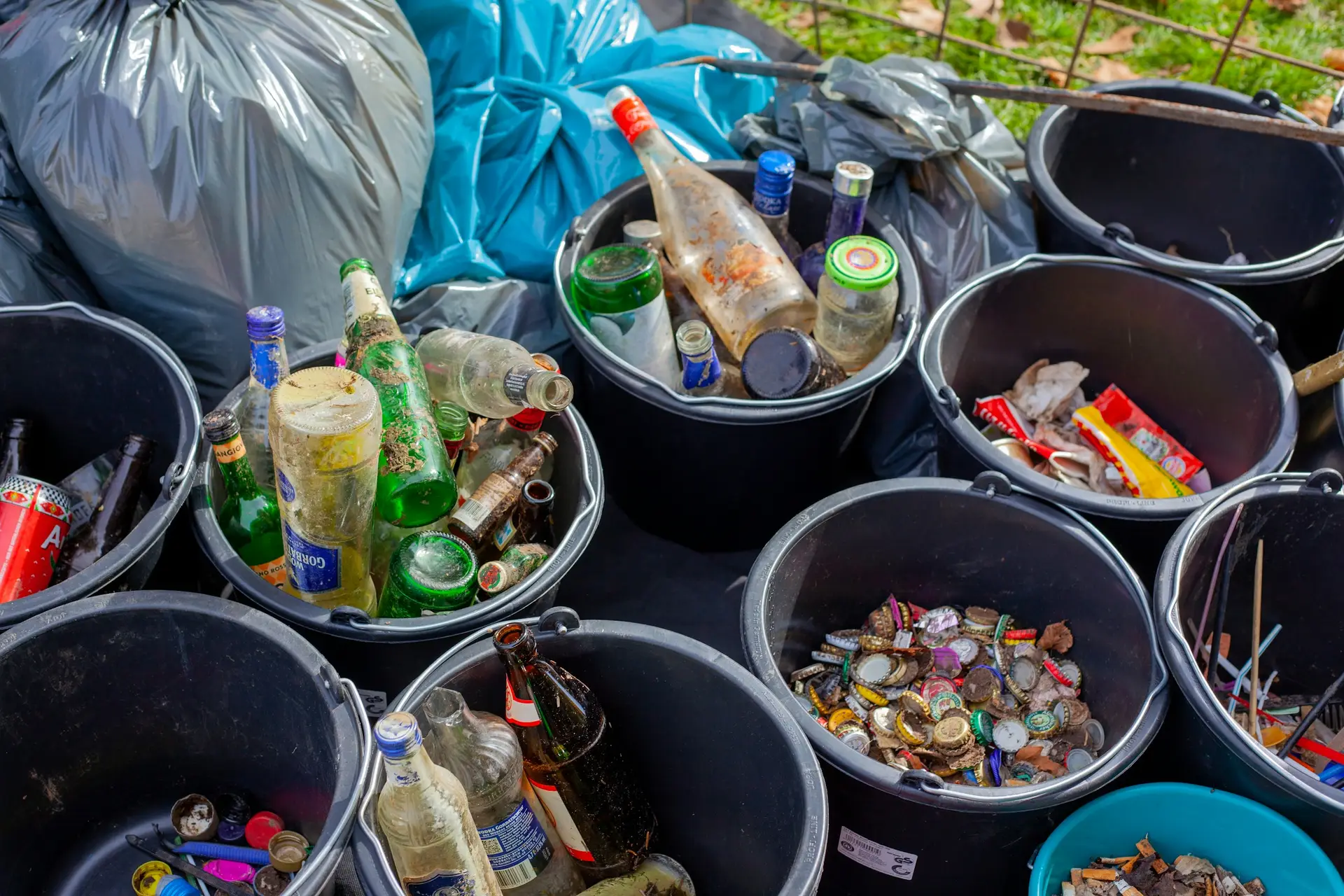

Are Glass Bottles Better Than Plastic? From Waste to Worth; What are they? How are they made? What is their environmental impact? In this article, we will explore how these common bottle materials affect our planet. So, we will look at how glass and plastic bottles are made, used, and thrown away. We’ll see which one is better for the environment by looking at how they can be recycled and how they impact nature. Learning about how glass and plastic bottles go from trash to something useful can help us make better choices between glass vs. plastic bottles for our planet!
What is plastic and the melting point of plastic?


Plastic is a material that comes from materials such as natural gas, oil, and coal. The plastic we use now is made synthetically. ‘Synthetic’ means they are made with chemicals, not natural methods. Mostly, it is made from polymers. Polymers are like long lines made of many small molecules that are connected together. Even though some polymers are found in nature (like in plants), the plastics we use a lot are not natural. The melting point of plastic depends on the type of plastic being used. Some start melting at 70°C (158°F) while others need up to 200°C (392°F) to melt)).
There are health concerns related to chemicals in plastic baby bottles, such as BPA and BPS, which can potentially leach into the contents and pose risks to infants.
What is glass?


Glass is a brittle and transparent material that is made from natural materials like sand, limestone, and soda ash. These materials are abundantly available, which reduces glass’s carbon footprint. To make glass, these ingredients are melted at a very high temperature until they become like a thick, syrupy liquid. Once it cools down, it becomes hard and clear, forming the glass we use in windows, bottles, and many other things. Glass doesn’t melt at one exact temperature. Instead, it slowly changes from being hard and breakable to a liquid form. Most glass types start to melt at temperatures between 1400°C (2552°F) and 1600°C (2912°F). Glass baby bottles are a sturdy alternative to plastic, known for their durability and the absence of harmful chemicals.
Glass vs. Plastic Bottles: Production, Use and End-of-Life Management
Plastic Production:
- The plastic production process starts with extracting raw materials like crude oil, natural gas, and coal from the Earth.
- Next, they go through a process called cracking. Here, they are heated and pressed until they break down into simpler parts like ethylene and propylene.
- The next stage, polymerization, is where these molecules are chemically linked to form long chains known as polymers.
- Finally, these polymers are transformed into the plastic products we use every day. First, they are usually turned into small beads. Then, these beads are shaped into different things by methods like squeezing through a mold or being injected into molds.
Looking at the world’s plastic production, China is the biggest maker, creating about 31% of the world’s plastics. Next is the NAFTA area, which has the USA, Canada, and Mexico, and makes 19% of the world’s plastics. These places, along with the rest of Asia, play a big part in making plastics worldwide. In 2019, the world made almost 370 million tons of plastics, and Asia made about half of it. This shows how important these regions are in the plastic industry globally.
Plastic Use:
In terms of use, one of the things that makes plastic use popular is that it can be shaped into lots of different things. It’s bendy, strong, and lightweight, which makes it useful for a bunch of stuff like keeping medical tools clean or covering wires. Additionally, plastic baby bottles are convenient and affordable, but it’s important to consider the potential health implications, such as harmful chemicals leaching from the plastic. Plastics are also used in industries such as aerospace, construction, defense, and manufacturing.
Plastic End-of-Life Management:
- Landfilling: This is a common method for disposing of plastic waste. It involves burying the waste in landfills. While this method is widely used, it leads to environmental issues due to the non-biodegradable nature of most plastics. Plastics thrown in landfills can take a very long time, even hundreds of years, to break down. During decomposition, they might release dangerous chemicals into the ground and underground water.
- Recycling: Recycling involves converting waste plastic into new materials. The plastic recycling process includes collecting and reprocessing old plastic into new products. Items that can be made from reused plastic include traffic cones, trash bags and shampoo bottles. But, not all plastics can be recycled. How well recycling works depends a lot on the local systems and rules in place.
- Downcycling: Downcycling is when a material is recycled to make products of a lower quality. Each time plastics are recycled, their quality gets worse. So, most recycled plastics are downcycled. It’s important to remember that plastics don’t break down at a biochemical level. This means that they add to the problem of tiny plastic pieces, or microplastic pollution, in the environment.
- Upcycling: We can’t recycle every type of plastic. Many plastic items are too dirty or have parts that can’t be recycled. Upcycling is the process of transforming a used item and repurposing it. Upcycling plastic is a great way to reuse materials. You can try upcycling plastic bottles by turning them into bird feeders. Another idea is upcycling plastic containers to use them as plant holders.
- Energy Recovery: Getting energy from plastic waste usually involves methods like pyrolysis. This is where plastics that can’t be recycled are turned into energy. This can be a good option instead of putting them in landfills, as it reduces the amount of waste and creates energy.
Glass Production:
- Making glass begins with mixing natural ingredients like sand (silica), limestone, and soda ash. These are then heated to very high temperatures, around 1500°C (2732 °F). The heat turns the mix into a liquid state.
- Then, the molten glass is poured into a mold which will shape the final product.
- As this liquid mix cools down, it becomes solid and turns into glass. The glass stays clear and breakable.
In terms of worldwide production, Asia, especially China, is a big force in making glass. This is mostly because of its large manufacturing and expanding construction businesses. Europe is a big part of the world’s glass market because it uses advanced manufacturing techniques. North America also plays a key role because it spends a lot on building, food, drinks, and medicine. Lately, there’s been more demand for glass, especially for packaging and in construction. In buildings, glass is used more and more for its energy-saving benefits in eco-friendly designs.
Glass Packaging and Glass Use:
Glass vs plastic bottles is widely used for its clarity, durability, and inert nature. One area that glass is used in is in the storage of specimens and harsh chemicals. Glass containers can be sealed and airtight, which makes it a perfect material for this type of use. Glass is also used in microscopes, which have contributed to scientific and medical advances. Other common applications include glass packaging for food/beverage containers, windows, eyewear, kitchenware, and various household and decorative items.
Glass baby bottles are a sturdy alternative to plastic, known for their durability and the absence of harmful chemicals. They can be boiled for deep cleaning, although they are heavier and can break more easily.
Stainless steel baby bottles offer durability and safety from chemicals, without the risk of cracking or shattering. However, they are heavier, more expensive, and have limited styles, especially vented options to alleviate gas and colic.
Glass End-of-Life Management:
- Reuse: Reuse involves encouraging the return and reuse of glass containers. This practice reduces the need for new glass production and minimizes waste.
- Recycling: The glass recycling process involves taking waste glass, including unsorted bottles, plate glass, and ceramics, and transforming it into clean glass sand and aggregates. This recycled glass finds applications in soil additives, compost mixes, construction sand or aggregates, filtration sand, landscaping mulch, and as a sandblasting medium.
- Downcycling: Downcycling, or a glass recycling process, involves using crushed glass in applications where the quality of glass is not critical. This includes using it as an aggregate for construction and other similar applications.
Glass vs. Plastic Bottles: Environmental Impact


In 2020, researchers from the University of Southampton published a study on glass vs. plastic packaging. Glass is eco-friendly when made because it uses common materials and is 100% recyclable without losing quality. However, the study concluded that glass bottles can harm the environment more than plastic bottles. This is mainly because glass is heavier, needing more energy for transport. Also, getting materials for glass can cause noise pollution, water pollution, and harm ecosystems.
When it comes to baby bottles, the environmental impact and health concerns of using plastic baby bottles are significant. Plastic baby bottles are common and convenient, but they can release harmful chemicals like BPA and BPS. On the other hand, different types of baby bottles, such as glass, plastic, and stainless steel, each have their pros and cons. Glass baby bottles are safe and easy to clean but are heavier and can break easily. Stainless steel baby bottles are durable and chemical-free but can be more expensive. Plastic baby bottles are lightweight and affordable but may pose health risks due to chemical leaching.
Are Glass Bottles Better Than Plastic For The Environment
On the other hand, plastic, especially one-time use bottles, creates big environmental problems. Making plastic releases harmful chemicals and uses a lot of energy, leading to more carbon dioxide. Getting oil and natural gas for plastic, through drilling and fracking, also damages the environment. A big problem with plastic is that it’s hard to recycle. Only 9% of plastic gets fully recycled, and most is turned into lower quality items. This recycling issue, along with lots of plastic waste, adds a lot to environmental pollution.
Environmental Impact of Plastic on Communities


The environmental impact of plastic is significant. A 2021 UN Environment Programme report explores the injustices and impact of plastic pollution. The report explains that making, using, and throwing away plastic harms the environment and communities worldwide. Demand for plastic leads to oil drilling and deforestation. These practices harm land, wildlife, and air quality. Indigenous people are heavily affected by these practices as well, because they live in areas often targeted for natural resources.
Additionally, plastic affects women around the world, especially in the Global South. A 2019 study in Mexico found diabetic women with more Bisphenol A (BPA) than others. BPA is a chemical compound that is used to make plastic. Burning plastic is common in the Global South. This practice releases harmful dioxins in the air, which are carcinogenic. Dioxins cause health problems for women, like issues with reproduction, immunity, and hormones.
According to the 2021 UNEP report, only 21% of plastics get recycled or burned. The rest end up in landfills or the environment. They block rivers, pollute oceans, and add microplastics to our food chain. About 5.25 trillion pieces of plastic waste float in the oceans. Plastics take up to 500 years to break down. Even then, they turn into tiny microplastics.
Glass also impacts the environment, but differently than plastic. Glass takes up to 4000 years to break down. It doesn’t release harmful chemicals during this time. The main problem with glass is the emissions during its making. These add to the carbon dioxide in the air and worsen climate change. For example, climate change is melting the permafrost in Alaska. This harms Native communities who rely on permafrost to store food. Increased food spoilage and illness may increase as thawing continues.
Health Considerations
Chemical Compatibility and Health Risks
When it comes to health considerations, chemical compatibility is a crucial factor to consider. Glass bottles are non-toxic and free from potentially harmful chemicals, making them a safer choice for storing beverages and food products. On the other hand, plastic bottles can leach chemicals into the contents, especially when exposed to heat, light, or certain types of food. For example, polyethylene terephthalate (PET) plastic bottles can leach antimony, a toxic metalloid, into the contents. Additionally, some plastic bottles may contain bisphenol A (BPA), a chemical linked to various health problems, including cancer and reproductive issues.
Reusing Plastic Water Bottles: Health Risks
Reusing plastic water bottles can pose health risks due to the potential for bacterial growth and chemical leaching. When plastic bottles are not properly cleaned and dried, bacteria can multiply, leading to the growth of harmful microorganisms. Furthermore, reusing plastic bottles can cause the plastic to break down, releasing harmful chemicals into the contents. It is essential to use plastic bottles responsibly and follow proper cleaning and maintenance procedures to minimize health risks.
Cost and Usage
Cost Comparison: Glass vs. Plastic
The cost of glass and plastic bottles varies depending on the type, size, and material used. Generally, glass bottles are more expensive to produce than plastic bottles, especially for large-scale production. However, glass bottles can be reused multiple times, making them a more cost-effective option in the long run. Plastic bottles, on the other hand, are often used once and then discarded, contributing to plastic waste and pollution.
Here is a rough estimate of the cost comparison between glass and plastic bottles:
- Glass bottles: $0.50-$1.50 per unit (depending on size and material)
- Plastic bottles: $0.10-$0.50 per unit (depending on size and material)
It’s essential to note that the cost of glass and plastic bottles can vary depending on the manufacturer, production process, and location. Additionally, the environmental and health costs associated with plastic waste and pollution should also be considered when evaluating the cost-effectiveness of glass and plastic bottles.
Glass vs. Plastic Bottles: Conclusion
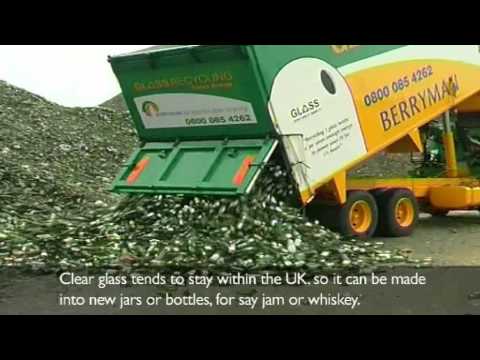
Glass can be recycled more and might be less harmful over time. But, because it’s heavy and needs a lot of energy to make and be moved, it has a bigger environmental effect. Plastic, especially the single-use kind, also causes significant environmental problems. This is because of how it’s made and the fact that it’s hard to recycle. It’s important to be educated about the harmful effects of certain production methods, as well as the problem of plastic pollution. It’s also good to support groups working to solve these issues in different ways.
At Ocean Blue Project, we aim to make our oceans and rivers safer by organizing cleanups. You can help us with this! We have a variety of volunteering opportunities for you to directly address plastic pollution.
You can support our cause by joining or organizing a local CleanUp, signing up for our newsletter, and by donating! Your donations help us organize ocean, beach, and river clean ups!
Author Bio: Abraham Mengistu studied Supply Chain Management at Western Michigan University. In his free time, he enjoys watching action shows, reading, and learning new things.

