


Why the ocean matters now more than ever
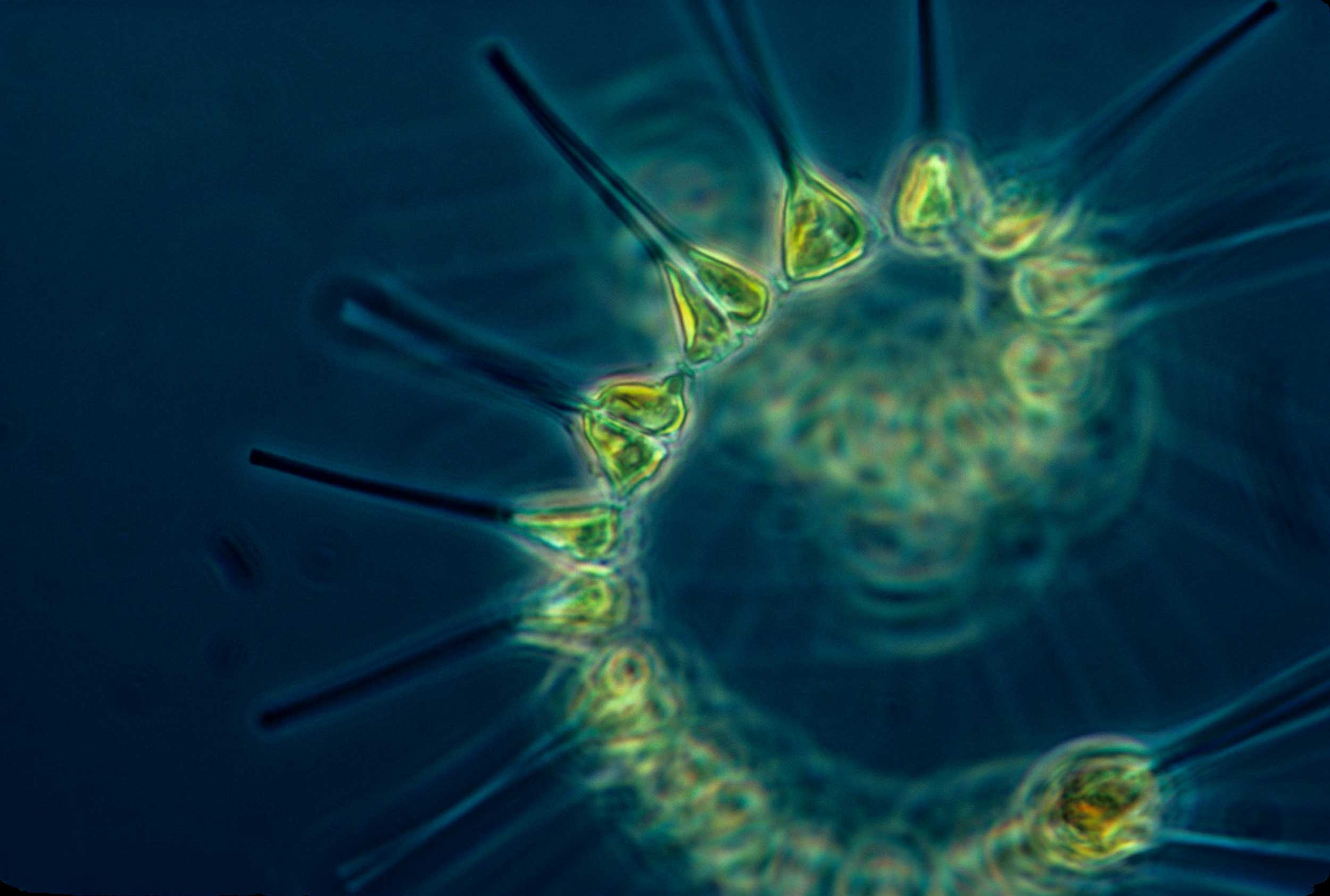
Hey there! Have you ever wondered why the ocean is so important? It covers 70% of our planet, holds 40× more carbon than the air, and gives us our oxygen. Yup—tiny ocean plants called phytoplankton are major players. They produce half of the world’s oxygen, just like trees.
But here’s the problem: the ocean is in trouble. It’s warming fast, becoming more acidic, and losing oxygen—all because of climate change and pollution. Worse still, plastic pollution disrupts phytoplankton, choking them out and making it harder for the ocean to produce oxygen .
That’s why ocean science is vital. It helps us understand and protect this giant, life-sustaining resource. It also supports Sustainable Development Goal 14 (“Life Below Water”), which is about keeping the ocean healthy for both people and the planet .

UNESCO’s Intergovernmental Oceanographic Commission (IOC)
The global guardian of marine science
Since 1960, UNESCO’s Intergovernmental Oceanographic Commission (IOC) has been the only UN body dedicated to ocean science. It helps over 147 countries share knowledge, data, and tech to better manage the ocean and its precious resources.
Here’s a snapshot of what IOC does:
- Global coordination: Leading the UN’s Decade of Ocean Science for Sustainable Development (2021–2030).
- Ocean observing: Managing systems like the Global Ocean Observing System (GOOS), which monitors temperature, oxygen, and more.
- Capacity development: Training people around the world, especially in small islands and developing nations.
- Early warning and services: Running tsunami alert systems and marine data networks like IODE.
- Ocean literacy & education: Teaching kids, supporting events like World Oceans Day, and protecting underwater heritage.
The Decade of Ocean Science (2021–2030)
A once-in-a-lifetime effort
In 2017, the UN declared the Decade of Ocean Science—2021 through 2030. IOC is coordinating this global effort.
The mission?
- Improve science & observation
- Close knowledge gaps
- Empower communities
- Share ocean data openly
- Build better solutions for climate, food, and coastal protection
10 Challenges for a Better Ocean
IOC and GOOS led ten “Challenges” like:
- Challenge 7: Expand global ocean monitoring. We need better tools for a changing climate
- Challenge 8: Share data fairly so everyone gets access
These big steps will build a foundation for smart policies and actions. They also spotlight:
- Underwater cultural heritage (like sunken seaports)
- Citizen science (like eDNA programs in marine parks)
- Inclusivity—especially for small islands and underrepresented countries
How UNESCO/IOC Drives Real Change
- Sharing knowledge and tools: IOC’s Capacity Development Facility helps nations train specialists, build labs, and transfer technology.
- Boosting ocean literacy: Programs like Sea Beyond (with Prada) and World Oceans Day events teach students and communities about ocean science.
- Weather & Marine Services: IOC coordinates weather and tsunami alerts, making coastal regions safer.
- Marine Data Networks: Systems like IODE and OBIS ensure that ocean data is easily found and shared.
- Protecting heritage: The IOC works to preserve underwater heritage, including shipwrecks and coral reefs.
Why Ocean Science is Vital for Climate
A lifeline under threat
- The ocean absorbs 23% of CO₂ and a quarter of global heat.
- It’s losing oxygen and warming at “unprecedented rates.”
- Without healthy marine plants, we lose a primary oxygen source—and the food chain suffers, too.
Plastic pollution and phytoplankton
Plastic in the ocean blocks light and chokes phytoplankton. That means:
- Less oxygen
- Less food for fish
- Faster climate damage
This is why Ocean Blue Project works to remove plastic—so phytoplankton can thrive again.
What You Can Do: Support Ocean Blue Project & Plastic Cleanup
Here’s how you can help make a real difference:
- Donate to Ocean Blue Project’s cleanup programs.
- Join events—volunteer for beach cleanups.
- Learn & Share—spread the word in your community or use social media.
- Reduce plastic use—choose reusable bags, bottles, and straws.
- Push for policy change—support plastic bans and recycling laws.
Every piece of plastic removed gives breathing room for phytoplankton and helps the ocean do its job—cooling our world and feeding us all.
Wrapping It Up
- Ocean science, led by UNESCO’s IOC and the global Decade of Ocean Science, is key to protecting our planet.
- Plastic pollution harms phytoplankton—stopping that harm is part of climate action.
- You can make a difference by supporting Ocean Blue Project: spread the word, donate, volunteer, and reduce plastic use.
Take action today. Support Ocean Blue’s plastic removal efforts and help protect the oxygen-makers of our planet. Share this blog, encourage friends to donate, and tell your local leaders to back plastic bans. Together, we can give our ocean—and future—some breathing room.
Quick Takeaways:
- The ocean covers 70% of the Earth, crucial for oxygen and climate.
- Plastic pollution chokes oxygen-producing phytoplankton.
- UNESCO’s IOC leads global ocean science, including the 2021–2030 Decade.
- They coordinate observing systems, capacity-building, data networks, and education.
- You can help by supporting Ocean Blue Project’s plastic-cleanup mission.
Thanks for reading—let’s save our ocean, one piece of plastic at a time.

