Plastic-Eating Fungi Research | Ocean Blue Project Innovation

Ocean Blue Project Scientific Innovation in Plastic Pollution Solutions

Leading Research on Fungi That Consume Plastic
Ocean Blue Project is advancing innovative plastic pollution solutions through research exploring fungi capable of breaking down petroleum-based materials in natural environments.
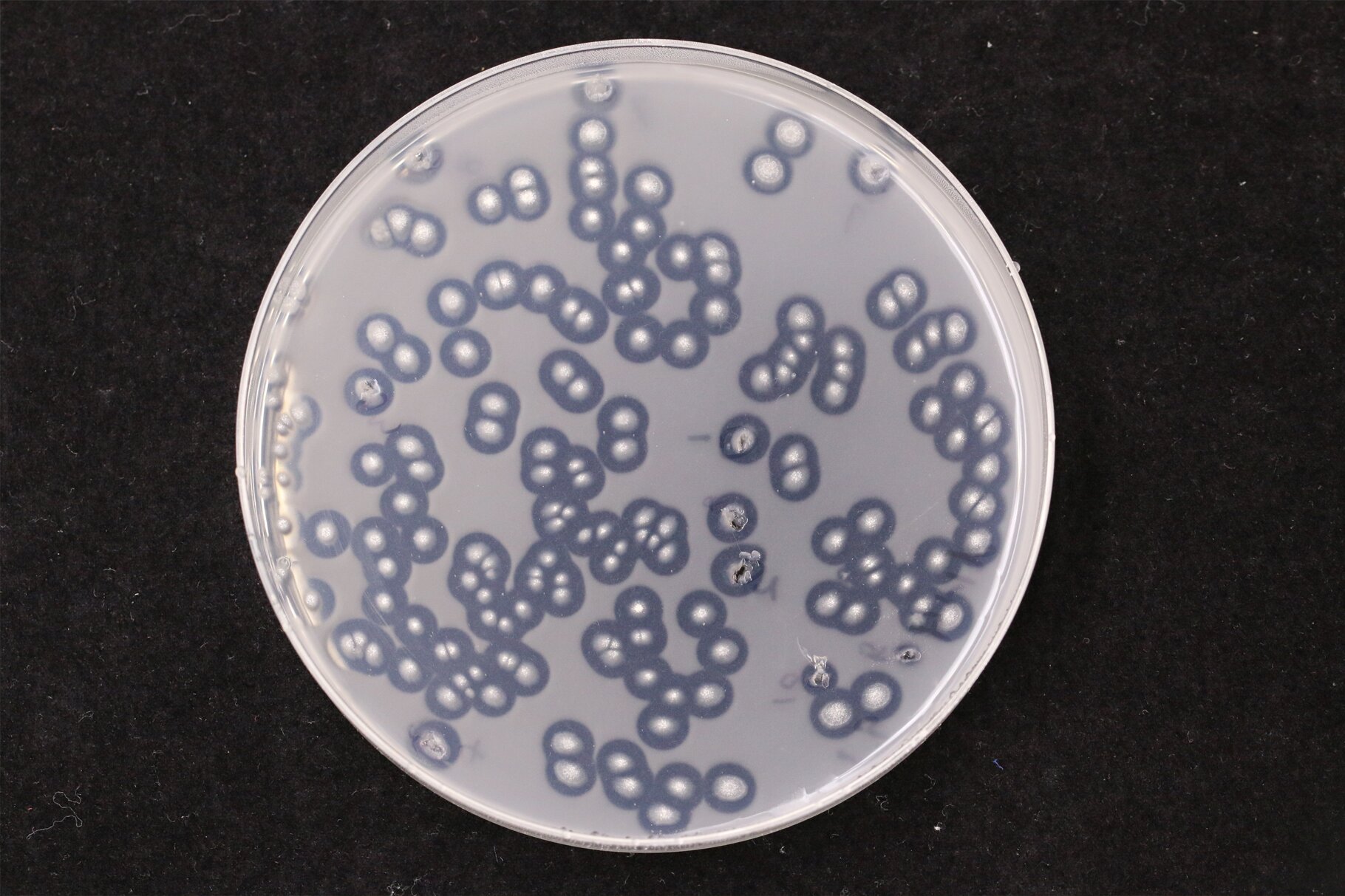
In 2012, Ocean Blue Project research gained national attention after identifying fungal activity in urban stream environments capable of colonizing plastic debris. This work helped open conversations around mycoremediation — the use of fungi to restore contaminated ecosystems.
Our research focused on how naturally occurring fungi interact with plastic waste in freshwater systems before it reaches the ocean.
What Is Plastic-Eating Fungi?
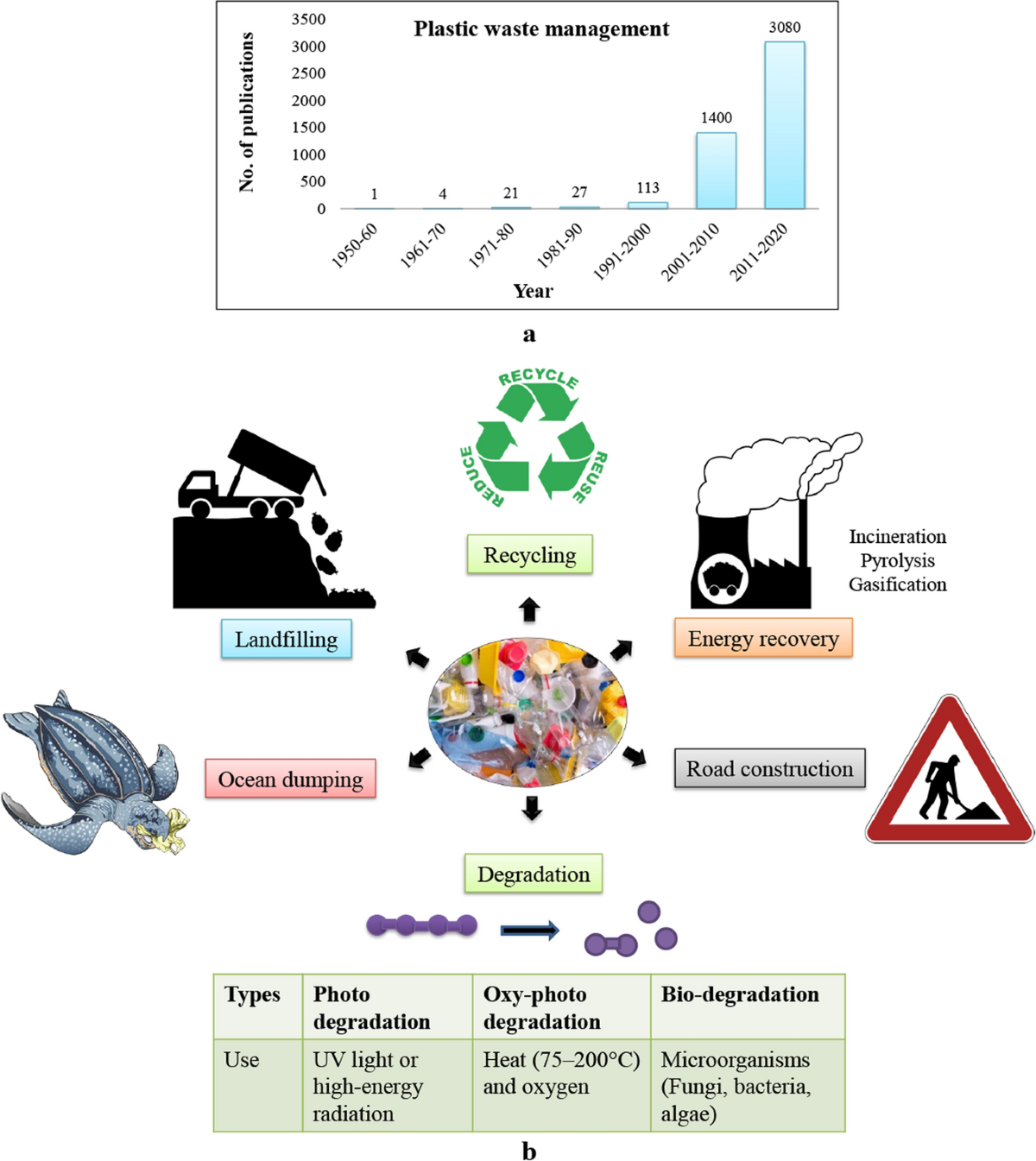
Certain fungal species produce enzymes capable of breaking down long-chain polymers found in plastics. This process, known as biodegradation, has become a growing field of environmental research.
Scientists worldwide are studying how fungi may:
Break down polyurethane and other petroleum-based plastics
Accelerate plastic decomposition in controlled environments
Support river and watershed restoration
Reduce microplastic formation over time
Fungi do not “erase” plastic instantly. However, research shows that certain strains can weaken or metabolize specific plastic compounds under the right conditions.
This emerging field is known as mycoremediation.
Ocean Blue Project Research History
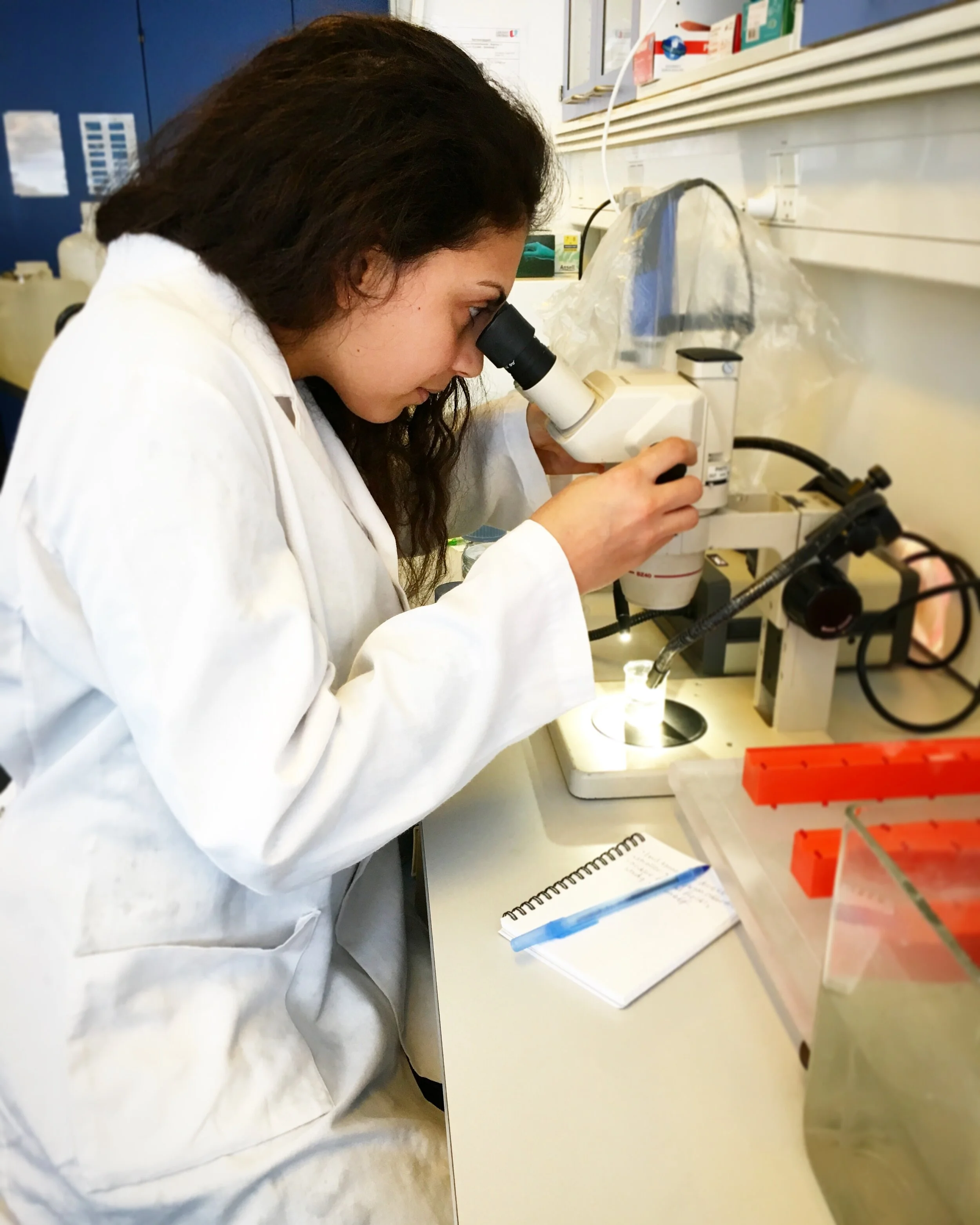
Ocean Blue Project’s early research efforts examined plastic debris collected from urban streams in Oregon. Observations revealed fungal colonization on certain plastic materials.
This research led to:
Scientific collaboration and documentation
Media coverage highlighting fungi interacting with plastic waste
Increased awareness of biological solutions to plastic pollution
The findings helped demonstrate that plastic pollution solutions may come from both cleanup action and scientific innovation.
While cleanup remains our primary mission, research continues to inform smarter long-term environmental strategies.
Why This Research Matters
Every year, millions of tons of plastic enter rivers before reaching the ocean.
Understanding how fungi interact with plastics may help:
Reduce microplastics in freshwater systems
Inform future biodegradable material design
Support ecosystem restoration efforts
Expand sustainable waste management science
Combining hands-on river cleanup programs with research gives Ocean Blue Project a unique position in marine conservation.
From River to Ocean: A Science-Driven Approach
Plastic rarely begins in the ocean. It travels from streets → storm drains → rivers → coastal waters.
Ocean Blue Project integrates:
River cleanup volunteer programs
Coastal restoration efforts
Corporate environmental partnerships
Scientific inquiry into long-term plastic reduction
This integrated approach strengthens our impact nationally.
Media & Early Coverage
In 2012, Ocean Blue Project research into fungi interacting with plastic debris received media attention and contributed to broader discussions on biological plastic solutions.
(Place links here to archived articles, press coverage, or scientific publications.)
If you have:
Published scientific papers
NASA-affiliated collaboration references
News articles
University mentions
They should be linked here for authority.
Frequently Asked Questions
Can fungi completely eliminate plastic pollution?
No. Fungi may help degrade certain plastic compounds under specific conditions, but large-scale plastic pollution still requires cleanup, reduction, and systemic change.
Is plastic-eating fungi being used commercially?
Research is ongoing globally, but large-scale commercial application remains limited and experimental.
How is Ocean Blue Project involved today?
Ocean Blue Project continues to prioritize direct plastic removal, watershed restoration, and environmental education while supporting innovation in long-term pollution solutions.
Support Research & Cleanup Innovation
Ocean Blue Project is a national nonprofit working to remove plastic from rivers and coastlines while exploring forward-thinking environmental science.
You can help by:
Volunteering at a cleanup
Supporting marine conservation research
Sponsoring river restoration programs
Donating to fund plastic pollution solutions
👉 [Volunteer Near You]
👉 [Support Marine Conservation Research]
👉 [Organize a Cleanup in Your Community]
