🌊 Mercury in the Willamette River
What Corvallis Residents Should Know

4
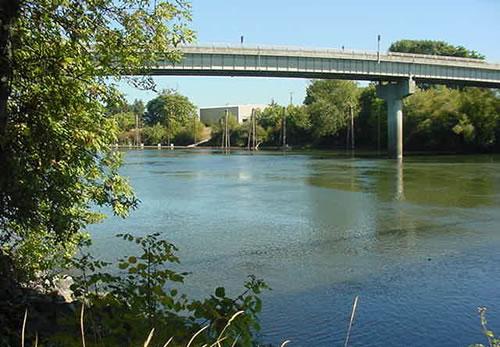
The Willamette River flows through the heart of Corvallis, supporting wildlife, recreation, agriculture, and drinking water for communities across western Oregon.
But like many waterways across the United States, the Willamette River Basin faces ongoing concerns about mercury contamination.
Understanding where mercury comes from — and how it affects people and wildlife — helps protect both public health and the river we depend on.
What Is Mercury?
Mercury is a naturally occurring element found in air, soil, and water. It exists in several forms:
Elemental mercury
Inorganic mercury
Methylmercury (the most toxic form)
In rivers like the Willamette, mercury can transform into methylmercury through natural biological processes.
Where Does Mercury in Oregon Waters Come From?
Mercury enters the Willamette River Basin from several sources:
🌫 Atmospheric Deposition
Coal-fired power plants and industrial emissions release mercury into the air. It can travel long distances before settling into rivers and soils.
🏔 Natural Geological Sources
Oregon’s geology includes areas with naturally occurring mercury deposits that can leach into waterways.
🏭 Historic Mining & Industrial Activity
Past mining and industrial practices in parts of Oregon contributed to localized contamination.
Once mercury reaches the water, bacteria can convert it into methylmercury — the form that accumulates in fish.
Why Methylmercury Is a Concern
Methylmercury builds up in living organisms and increases in concentration as it moves up the food chain. This process is called bioaccumulation and biomagnification.
Small aquatic organisms absorb it →
Small fish eat them →
Larger fish eat smaller fish →
Humans eat larger fish.
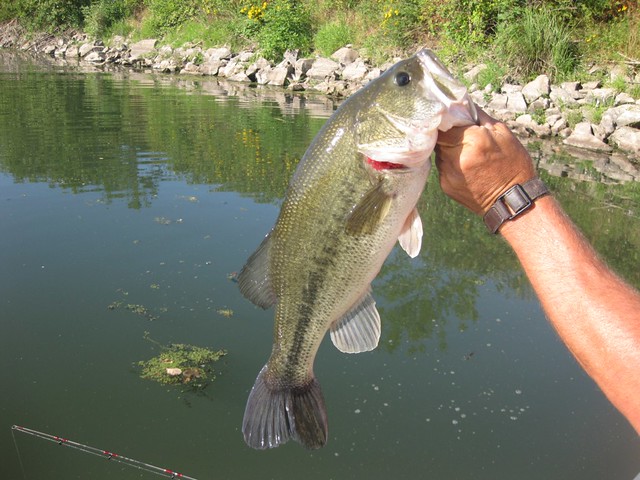
Predatory fish like bass often have the highest concentrations.
Health Effects of Mercury Exposure
Methylmercury is toxic to the:
Central nervous system
Peripheral nervous system
Kidneys
Immune system
High exposure may affect coordination, memory, vision, and motor skills. Pregnant women, young children, and developing fetuses are especially vulnerable.
Because methylmercury accumulates in fish tissue, eating contaminated fish is the primary way people are exposed.
Fish Consumption in the Willamette River
State agencies periodically issue fish consumption advisories in parts of the Willamette River Basin.
These advisories may recommend:
Limiting consumption of certain species
Avoiding specific fish like largemouth bass in some areas
Special precautions for pregnant women and children
Before fishing or consuming fish from the Willamette near Corvallis, always check current Oregon Health Authority guidelines.
Environmental Factors That Influence Mercury Levels
Several conditions affect how much methylmercury forms in a river system:
High levels of organic material
Wetlands and slow-moving water
Warm temperatures
Algal blooms
Sediment disturbance
The Willamette River’s floodplain and seasonal flow changes can influence how mercury moves through the ecosystem.
Why This Matters for Corvallis
The Willamette River supports:
Drinking water systems
Recreational boating and swimming
Fishing
Wildlife habitat
Agriculture
Protecting water quality protects public health, local economies, and future generations.
What Can Be Done?
Mercury pollution is both a local and global issue, but solutions exist.
✔ Reduce Fossil Fuel Emissions
Supporting clean energy reduces atmospheric mercury deposition.
✔ Prevent Runoff & Erosion
Protecting wetlands and riparian zones reduces sediment movement.
✔ Safe Fish Consumption
Follow advisories to reduce personal exposure.
✔ Community Cleanups
Removing trash and pollutants improves overall watershed health.
Get Involved in Protecting the Willamette River

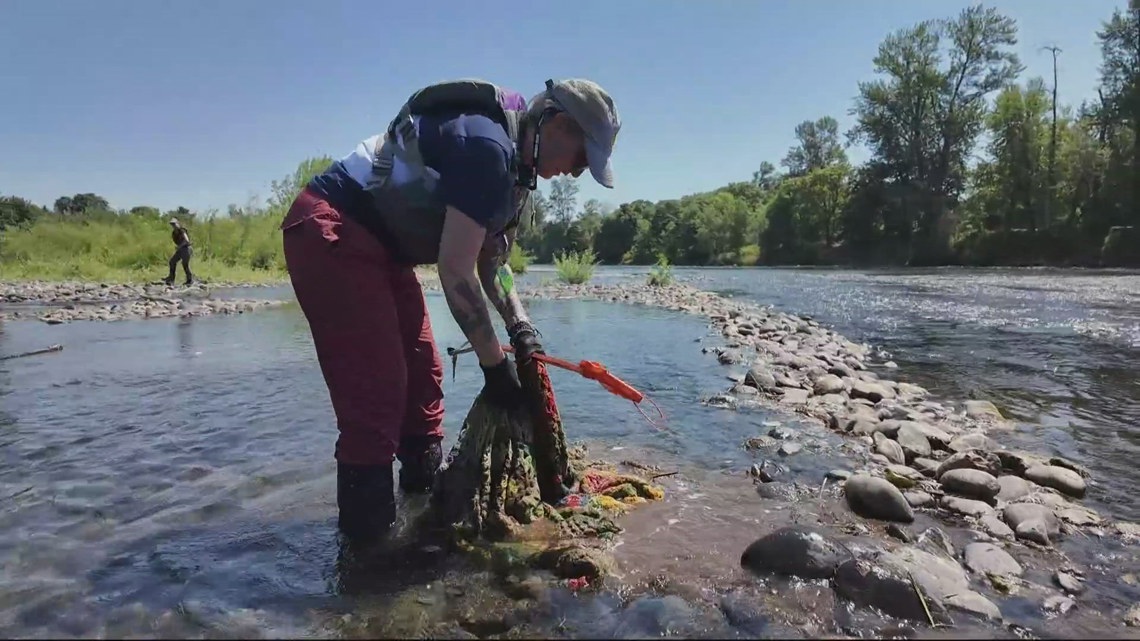
4
You can help protect the Willamette River in Corvallis by:
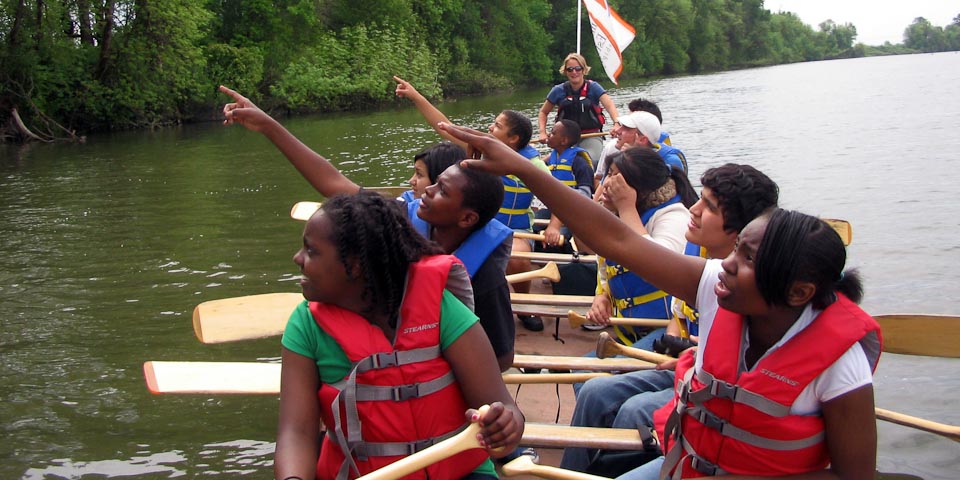
Volunteering for local river cleanups
Supporting watershed restoration efforts
Educating youth about pollution prevention
Reducing single-use plastics
Advocating for clean energy solutions
Every action upstream protects communities downstream.
The Bigger Picture
The Willamette River connects to the Columbia River and eventually the Pacific Ocean. Pollution doesn’t stay in one place — water systems are connected.
Protecting the Willamette is part of protecting Oregon’s coast and marine ecosystems.
Healthy rivers create healthy communities.
MAP OF THE WILLAMETTE RIVER & MERCURY TESTING SITE

