
Beach Clean up Boca Raton Florida
Ocean Cleanup Volunteers
Protect the Health of Our Oceans & Build a Brighter Future
"Beach cleanups are vital to protecting marine ecosystems because they remove plastic debris before it has the chance to wash out to sea and harm wildlife. As a beach cleanup volunteer, you’re contributing to the sustainability of our planet."
Beach Clean up Boca Raton
Volunteer Lead
541-286-7015
-
Sign Up Your Group
What You'll Need
By joining a cleanup, you're contributing to the sustainability of our planet.
Help us make a difference by joining our beach cleanup event and contributing to environmental conservation. Reusable Bags, buckets over plastic trash bags Gloves Hand Sanitizer Drinking-Water to Stay Hydrated (Reusable Bottle) Reef Safe Sunblock or Sunscreen
Reusable Bags, buckets over plastic trash bags
Gloves
Hand Sanitizer
Drinking-Water to Stay Hydrated (Reusable Bottle)
Reef Safe Sunblock or Sunscreen
Essentials Ocean Cleanup
What to Pick Up during Your Cleanup
Litters & Debris
Even Small Bits, Animals can mistake them for food
Recyclables
like glass, aluminum cans, tin cans, plastic drinking bottles
Trash
plastics, metals, glass, styrofoam, foil wrappers, cloth, cardboard, paper, leftover food or food waste
Single-use plastic is particularly prevalent in marine debris, significantly contributing to environmental pollution and posing a threat to marine life.
Mircoplastics
Microplastics are a growing concern in our oceans and waterways. These tiny plastic particles, often smaller than 5 millimeters, can come from a variety of sources, including single-use plastics, microbeads in personal care products, and synthetic fibers from clothing. Microplastics can harm marine life, contaminate the food chain, and even affect human health. Beach cleanups play a crucial role in reducing microplastic pollution by removing trash and debris from our coastlines.
Leave No Trace
Gloves, cleaning supplies, and anything
you brought with you; leave nothing behind but your footprints! Participants can earn service hours by attending official cleanups, which require registration and check-in.
Cleanup Best Practices - Clean up events near me
Volunteer Form – Clean up Events Near Me
Trying to convince a friend to join you in a cleanup? Join us in making a difference! Here are a few reasons why we should all care about the health of our waters:
The ocean provides over 70% of the oxygen we breathe
Rivers and oceans are important sources of food
Seaweed is an ingredient in many consumer products and captures carbon from our atmosphere
Scientists use marine organisms for lifesaving medicines
If we keep our waters healthy, we can keep our livelihoods and economies thriving, protect wildlife, enjoy water recreation, and build a brighter future for generations to come.
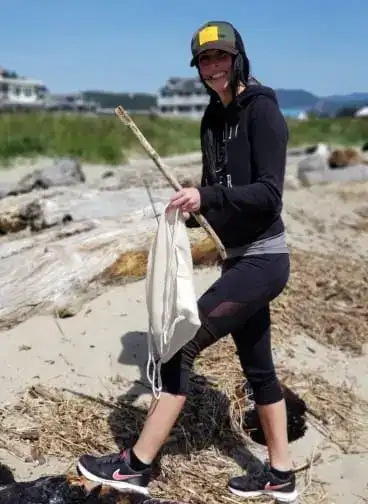
Trying to Convince a friend to join you in a cleanup?
Trying to convince a friend to join you in a cleanup? Here are a few reasons why we should all care about the health of our waters:
- The ocean provides over 70% of the oxygen we breathe
- Rivers and oceans are important sources of food
- Seaweed is an ingredient in many consumer products and captures carbon from our atmosphere
- Scientists use marine organisms for lifesaving medicines
If we keep our waters healthy, we can keep our livelihoods and economies thriving, protect wildlife, enjoy water recreation, and build a brighter future for generations to come.
Why Pick Up Plastics and Microplastics?
Look Out for Wildlife
As you explore the cleanup zone, enjoy the nature around you, but try not to disrupt the animals and plants. They're enjoying a beach day too! If you find an injured animal, contact your nearest wildlife agency.
Microplastics occur when the sun breaks down plastic debris into smaller and smaller fragments that never fully biodegrade. Animals often mistake plastics and microplastics for food and can get entangled, injured, gravely sick, or wash ashore. When animals that ingest — but can’t digest — these microplastics are eaten, the plastic moves up the food chain, potentially into our food.
Thank you for keeping our ocean blue.
"Beach cleanups are vital to protecting marine ecosystems because they remove plastic debris before it has the chance to break into smaller fragments that washout to sea and harm wildlife. By joining a cleanup, you’re contributing to the sustainability of our planet."
Sign Up to Our Newsletter Today
Types of Beach Cleanups
There are several types of beach cleanups, each with its unique benefits. Some common types of beach cleanups include:
Adopt-a-Beach Program: This program allows individuals or groups to adopt a beach and participate in regular cleanups. Adopt-a-beach programs help to ensure that beaches are regularly cleaned and maintained.
Private Beach Cleanup: Private beach cleanups are organized by individuals or groups who want to make a difference in their community. These cleanups can be a great way to engage with friends, family, or colleagues while giving back to the environment.
Community Beach Cleanup: Community beach cleanups are organized by local organizations or government agencies and are open to the public. These cleanups often involve a large number of volunteers and can be a great way to meet new people while making a difference.
Explore different cleanup methods and their unique benefits.
Beach Cleanup Process
Organizing and participating in a beach cleanup can be a rewarding experience. Here’s a step-by-step guide to help you get started:
Choose a location: Select a beach or coastal area that needs attention. Consider factors such as accessibility, safety, and the amount of trash present.
Set a date and time: Schedule a date and time for the cleanup that works for you and your volunteers. Make sure to check the tide times and weather forecast to ensure a safe and successful cleanup.
Gather supplies: Collect trash grabbers, gloves, reusable bags, and other necessary equipment. Consider partnering with local organizations or businesses to obtain supplies.
Promote the event: Spread the word about the cleanup through social media, flyers, and local newspapers. Encourage friends, family, and community members to join in.
Check in and registration: Set up a registration process for volunteers to sign in and receive instructions. Provide a waiver or release form for participants to sign.
Cleanup: Begin the cleanup by dividing volunteers into teams and assigning tasks. Encourage volunteers to work together to collect trash and debris.
Data collection: Collect data on the amount and type of trash collected. This information can be used to track progress and identify areas for improvement.
Disposal: Ensure that all trash and debris are properly disposed of. Consider partnering with local waste management companies to ensure responsible disposal.
Follow up: Follow up with volunteers and the community to thank them for their participation and to share the impact of the cleanup.
By following these steps, you can help organize a successful beach cleanup and make a positive impact on your community and the environment.
Step-by-step guide to organizing and participating in a cleanup.
Cleanup Best Practices – Clean up events near me
Split recyclables and trash into separate bags
Tie trash bags and dispose in dumpsters (beware overflowing bins: they can cause items to fly away and end up back in the water)
Don’t pick up weapons or anything that looks like it came from a hospital. Mark questionable items and inform your organizer or the lifeguard.
If it occurs naturally in nature — like kelp, shells, driftwood — leave it be (try not disrupt animals and plants in the area)
Know your cleanup zone boundaries and meeting times. Some community beach cleanups occur on the third Saturday of each month.
Take note of the nearest lifeguard station and know what to do in case of an emergency
