By Suzanna Stapler
Imagine you’re walking along the nearest coast. You’re focused on the horizon as you step between shells and the occasional jellyfish. The waves’ endless rhythm settles your mind. You feel a warm breeze at your back and listen to excited dogs playing nearby.
Suddenly, you hear an unexpected crunch, and the moment breaks as your gaze jumps downward. An unwelcome object startles you—a crinkled plastic water bottle, cap missing. Shaking your head, you frown and stoop to pick it up…but you hesitate, wondering whether it will do any good. There’s sure to be more like close at hand.
Turtles Dying From Plastic
Plastic debris has a detrimental impact on sea turtles, as revealed by a study published in Nature Scientific Reports.
The study findings highlight that sea turtles of all ages and species are susceptible to entanglement with plastic, including large discarded fishing gear, which is a widespread issue.
This entanglement poses serious harm and even the risk of fatality for these already critically endangered creatures. Shockingly, the study indicates that one in five sea turtles from these vulnerable populations faces the threat of death due to ingesting a single piece of plastic.
In addition to the alarming statistics on entanglement and ingestion, plastic pollution also directly affects sea turtle reproduction.
The presence of plastic debris in their habitats can disrupt nesting sites and interfere with the turtles’ ability to lay their eggs successfully.
This disruption in reproductive behavior further contributes to the decline of sea turtle populations.
While the previous information sheds light on the impacts of plastic on sea turtles, it is essential to understand the specific consequences for green turtles. Green turtles, like other species, are prone to ingesting plastic, which can have severe consequences on their health. Swallowed plastic fills their stomachs, leading to reduced hunger sensations and decreased food intake, ultimately weakening the turtles.
Moreover, larger plastic pieces can obstruct their gastrointestinal tracts, preventing the passage and excretion of the ingested plastic.
The effects of plastic ingestion are exemplified by a distressing incident in Brazil. A young green turtle, washed ashore near Florianópolis, was found heavily weakened and subsequently died. Upon examination, researchers discovered a staggering number of plastic pieces in its gut and stomach.
The turtle had ingested 3267 pieces of plastic in its gut and an additional 308 pieces in its stomach.
This tragic case serves as a stark reminder of the devastating consequences of plastic pollution on green turtles. In summary, plastic pollution poses a grave threat to sea turtles, including green turtles.
The entanglement with large plastics, ingestion of even a single piece of plastic, and disruption of reproductive behavior are all significant concerns. Understanding the comprehensive impacts of plastic on these creatures is crucial in developing effective conservation strategies to safeguard their populations and habitats.
How Does Plastic Affect Animals in the Ocean
Plastic pollution wreaks havoc on our oceans, causing catastrophic consequences for a multitude of marine creatures. Seabirds, for instance, suffer immensely, with millions losing their lives each year due to entanglement and ingestion of plastic debris. But it doesn’t stop there; our cetacean friends, including whales and dolphins, are also victims of this human-made nightmare. Discarded fishing gear alone has been responsible for the death of an estimated 300,000 of these majestic creatures.
Yet, it is not just the iconic seabirds and cetaceans that bear the brunt of plastic pollution. Penguins, too, face dire challenges, falling prey to entanglement and the ingestion of harmful debris. Picture this: a lone penguin, carrying plastic within its digestive system, becomes part of the food chain. Predators, such as orca whales, hunt these penguins, unknowingly ingesting the toxic materials within them, amplifying the potential damage caused.
Even our national symbol, the bald eagle, is not spared from the perils of pollution. As fish make up a significant portion of their diet, they easily accumulate hazardous waste through their meals. The effects of pollution and rising ocean temperatures on fish are well-documented, and such threats extend to the survival of cetaceans and other marine mammals.
Research has revealed traces of microplastics in hundreds of fish species, ranging from keystone creatures like bass to the humble sardine. These findings paint a grim picture for marine life as a whole. Even the world’s largest mammals, the whales, face a severe threat from plastic pollution. Both baleen and toothed whales can endure certain levels of waste in their digestive systems, but their stomach acid cannot break down plastic materials. Over time, these materials deteriorate the stomach lining, producing deadly toxins. Dehydration and even death become a harsh reality for these magnificent creatures.
It is crucial to recognize that plastic pollution affects not only our oceans but also extends its reach to land animals. While Your article focuses primarily on seabirds, cetaceans, penguins, and bald eagles, it is essential to acknowledge the detrimental impact plastic has on a wide array of marine life. Filter feeders, like plankton and shellfish, are unable to distinguish plastic from food, while animals residing in beach sand, such as lugworms, face similar challenges. Even grazing animals on land fall victim to plastic consumption.
In conclusion, the harmful effects of plastic in the food chain extend to a vast range of animals. From the majestic seabirds to the mighty whales, from penguins to bald eagles, and even to the microscopic organisms that form the foundation of marine ecosystems, plastic pollution leaves no creature untouched. It is imperative that we address this issue urgently and take collective action to protect the delicate balance of our ecosystems and the diverse array of life they sustain.
The Reality of Today’s Plastic Pollution Crisis

This situation sounds all too familiar to anyone who finds themselves on a modern coastline. In 2015, Science magazine published a study about plastic debris. It showed how a spectrum of all kinds of plastics enters the ocean at an alarming rate of over 8 million tons per year.
Non-biodegradable debris harms marine landscapes, human livelihoods, and the creatures who live there. Global plastic pollution affects 690+ marine species according to the Marine Pollution Bulletin. This includes fish, seabirds, cetaceans, turtles, and many more.
How does Plastic Pollution Enter Marine Landscapes?
Research from the Ellen MacArthur Foundation shows only 14% of plastics get recycled. The rest ends up in a landfill, incinerated, or escaped beyond waste management as leakage. Plastic leakage can be ocean-based or land-based. But it’s hard to know exactly where the plastic originated or how to prevent it from entering the ocean.
Human negligence, unfortunately, led to where we are now—by 2050, there could be more plastic in the ocean than fish.
These appalling consequences and more led Ocean Blue Project to develop a full report on the impact of plastic on wildlife, which you can find here:

Based on thorough academic research, the report provides critical definitions and statistics as well as recommendations for the future given these findings. Thanks to the collaboration of many dedicated contributors, a downloadable PDF offers accessible details and a clear picture of the grim reality forced by plastic pollution on marine ecosystems. We hope it proves a helpful guide as you continue your reading of this blog and your own research.
What Happens When Animals Encounter Plastic in Marine Landscapes?
Plastic pollution harms wildlife in the sea and along the shore in many ways. Scientific Reports showed that plastic ingestion quickly becomes disruptive and poisonous. Marine wildlife of all kinds experiences disrupted eating patterns as a result of eating plastic debris. They may also experience internal deterioration due to toxic chemical exposure. But it’s not only the internal impact that counts.
Entanglement from discarded fibers can suffocate anything unlucky enough to cross its path. Plastic and its associated greenhouse gasses cause warming temperatures across our One World Ocean. Such conditions harm reproduction and survival for species from squid to seals.
How Plastic Pollution Affects Specific Species
You already know that pollution creates problems for all kinds of living beings in marine environments. But how does plastic hurt entire categories of aquatic animals everywhere? Let’s look at facts from Ocean Blue Project’s report on Wildlife and Plastic Pollution.
First, it causes millions of seabird deaths every year. Second, discarded fishing gear has entangled and killed 300,000 cetaceans. Third, over half of fish stocks have ingested plastic as of 2018. Yet, these numbers are only the tip of a melting iceberg.
Seabirds

32% of seabirds (including albatrosses, petrels, and shearwaters) have ingested plastic debris. Hard plastics, such as microplastics and pellets, are the biggest culprit. Soft plastics such as packaging, rubbers, and foam contribute to the problem as well. These materials block seabird intestinal tracts or can entangle them beyond escape.
Plus, the data behind these depressing findings leads us to another truth. A seabird is more likely to die from each plastic material ingested. This makes the removal of plastic debris from your local beach a top priority. It could mean the difference between life and death for your favorite seabirds!
Penguins + Eagles
Classic seabirds aren’t the only feathered friends to run a-fowl of plastic pollution. Penguins experience problems with both entanglement and ingestion of debris. But their struggles continue up the food chain as well…
Let’s say a predator, like an orca whale, hunts a penguin carrying plastic in its digestive system. Toxic materials will then pass to the predator, exploding the potential damage. Bald eagles also encounter the problem of pollution swimming up the food chain. Their diet of fish makes it easy to accumulate hazardous waste through eating dinner. Speaking of which…
Plastic in the Gill, Plastic in the Krill
Many studies measure how pollution and changing ocean temperatures affect fish. Rising threats to cetaceans draw focus to plastic’s influence on their existence, too. Other marine mammals also experience the unjust excess of waste in their ecosystems.
Of course, a single blog post can’t encapsulate the dangers faced by these animals. But, this infographic by Ocean Blue Project provides a helpful starting point. Do you see one of your favorite sea creatures included in this image?
Fish
_________+++_______
Researchers have found traces of microplastics in hundreds of types of fish. From keystone species like bass to the common sardine, the results are never good. A recent report from WWF addressed how ocean plastic pollution impacts marine species.
Fish-ingested plastic produces physical changes, impairs movement, inhibits digestion, and causes death. But that’s not the only concern to address, according to a study from the Proceedings of the Royal Society.
Exposed to warmer water temperatures and BPA, fish struggle to grow at their typical rate. Unfortunately, our planet’s water temperatures are rising every year. And BPA is a common chemical found in plastic. Thanks to these factors, rampant plastic pollution now harms the basic functioning of many millions of fish.
Whales
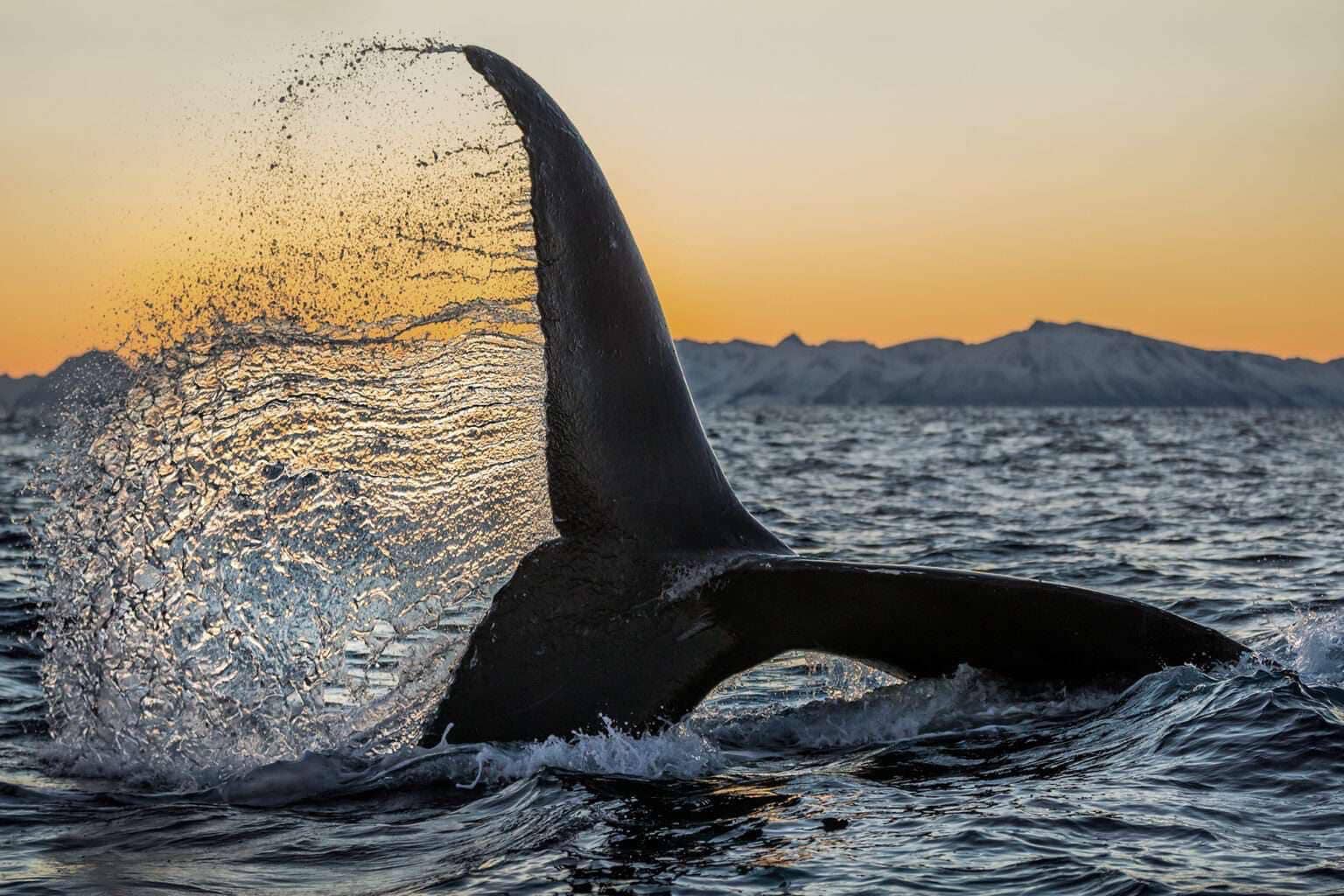
They’ve earned the majestic title of World’s Largest Mammals. And yet, plastic pollution still presents a major problem to whales. Baleen and toothed varieties survive some level of waste in their digestive system. But the whale stomach acid cannot break down plastic materials. Over time, these materials deteriorate the stomach lining and produce deadly toxins. When this happens, whales may experience severe dehydration and even death.
Another hazard for whales waits within their favorite lunch: krill.
A 2021 study from Nature Communications analyzed the consumption of microplastics by zooplankton. Particles (as small as .1 micrometers) of plastic are replacing a diet of insects and bacteria. This reduces their processing of carbon and thus contributes to global oxygen loss. It also means that whales are eating more plastic than ever as it embeds their primary food source.
How Many Animals Die From Plastic In The Ocean
Plastic pollution poses a grave threat to various animal species, causing immense harm and loss of life. Seabirds, in particular, bear the brunt of this environmental crisis, with millions of deaths occurring annually. Discarded plastic, when mistaken for food, fills the stomach of these birds, leading to a reduced feeling of hunger, decreased food intake, and subsequent weakening. Moreover, the larger fragments of plastic can obstruct their gastrointestinal tract, preventing the plastic from being expelled. The consequences are dire, as these seabirds not only suffer from malnourishment and energy deprivation but also face the risk of death.
While the plight of seabirds is undoubtedly concerning, they are not the sole victims of plastic entanglement. Cetaceans, such as dolphins and whales, also fall prey to this perilous issue. Discarded fishing gear, which often lingers in our oceans, becomes a deadly trap for these majestic creatures. Astonishingly, it has been estimated that around 300,000 cetaceans meet their untimely demise each year due to entanglement in such gear. These innocent animals, once ensnared, are unable to free themselves, leading to suffocation, injury, or deprivation of essential resources.
However, the detrimental impact of plastic pollution extends beyond entanglement. Distressing reports indicate that over half of fish stocks have ingested plastic, as of 2018. These marine creatures, vital for both the oceanic ecosystem and human consumption, inadvertently consume plastic debris. This ingestion not only impairs their ability to obtain adequate nutrition but also introduces toxic substances into their bodies, posing a threat to their overall health and survival.
Yet, these distressing statistics, alarming as they may be, merely scratch the surface of a much larger problem. The consequences of plastic pollution extend far beyond the numbers, permeating every corner of our ecosystems. The interconnectedness of marine life means that the repercussions of plastic pollution ripple through the entire food chain, affecting countless species in ways we are only beginning to comprehend. In conclusion, the detrimental impact of plastic pollution on animal species is a harrowing reality. Seabirds, cetaceans, and fish populations all bear the burden of plastic entanglement and ingestion. The consequences range from malnutrition and weakened immune systems to suffocation and even death. Urgent action is needed to address this global crisis, as the fate of these vulnerable creatures hangs in the balance.
Animals Eating Plastic in the Ocean
According to Ocean Blue Project’s report on Wildlife and Plastic Pollution, the impact of plastic on marine animals is alarming. The report reveals that approximately 32% of seabirds, including albatrosses, petrels, and shearwaters, have ingested plastic debris. It is specifically noted that hard plastics, such as microplastics and pellets, are the leading culprits in this regard. These materials not only block seabird intestinal tracts but also have the potential to entangle them, leading to dire consequences.
Penguins, known for their adorable waddle, are also not spared from the devastating effects of plastic pollution. They face problems with both entanglement and ingestion of debris, posing a double threat to their well-being. Microplastics have been found in hundreds of fish species, ranging from keystone species like bass to the humble sardine. Unfortunately, the repercussions are never positive for these aquatic creatures.
Whales, majestic giants of the deep, also confront a significant challenge due to plastic pollution. The acidity of their stomachs is unable to break down plastic materials, resulting in the deterioration of their stomach lining and the production of lethal toxins. While baleen and toothed whales can tolerate a certain level of waste in their digestive system, it still poses a grave threat to their overall health and survival.
A study published in Nature Communications has uncovered a disturbing trend – microplastics are gradually replacing the vital diet of zooplankton. This alteration reduces their capacity to process carbon, thereby contributing to a concerning loss of global oxygen. As a result, whales find themselves consuming even more plastic as it infiltrates their primary food source, exacerbating the issue.
While Your article provides a general overview of the impact of plastic pollution on wildlife, it lacks the specific quantities and examples found in Their article. Nonetheless, it is still evident that the numbers of animals affected by plastic ingestion are shocking and demand urgent attention to protect our precious ecosystems.
Why Do Animals Eat Plastic?
Plastic pollution poses significant harm to wildlife both in the sea and along the shore, with detrimental consequences that are far-reaching. Scientific Reports have revealed that the ingestion of plastic quickly becomes disruptive and poisonous, leaving marine wildlife in a state of distress.
The impact of plastic consumption on animals is multifaceted. One of the primary reasons why animals eat plastic is due to their inability to distinguish it from their natural food sources. This lack of discrimination is particularly evident in organisms that rely on filter feeding, such as plankton, shellfish, and baleen whales. These creatures inadvertently consume plastic particles, as they are unable to differentiate between them and their intended sustenance.
Furthermore, animals that dwell beneath the beach sand, like lugworms, also fall victim to plastic ingestion. Unable to discern plastic from edible matter, they unknowingly consume plastic debris when searching for food.
Fish, too, are susceptible to mistaking plastic for food. In their pursuit of sustenance, some fish misinterpret floating plastic as fish eggs and bite at it, only to discover the inedible nature of their find.
The plight of turtles is another poignant example. Mistaking plastic bags for the jellyfish that typically make up a part of their diet, turtles often consume these harmful materials, leading to dire consequences for their well-being.
Even avian species are not spared from the perils of plastic consumption. The northern fulmar, a bird that gathers its food by gliding with an open beak above the water surface, frequently harbors plastic in its stomach.
It is not solely marine life that suffers the consequences of plastic ingestion; terrestrial creatures are affected as well. Grazing animals on land, too, succumb to the allure of plastic, particularly when it is coated with food waste. This coating increases the likelihood of plastic being mistaken for a viable food source, leading to further instances of ingestion.
The ingestion of plastic disrupts the natural feeding patterns of wildlife, causing significant harm to their well-being. Additionally, the toxic chemicals present in plastic can lead to internal deterioration and poisoning, exacerbating the detrimental effects of plastic pollution on animal populations.
In conclusion, the ingestion of plastic by animals is a complex issue with severe consequences. The inability of certain species to distinguish plastic from food, coupled with the allure of plastic debris resembling their natural prey, leads to unintended consumption. This highlights the urgent need to address plastic pollution and its impact on wildlife to ensure the preservation of our planet’s diverse ecosystems.
Sea Turtles
For this article’s final example, let’s talk about turtles. Seven types of sea turtles exist today—all categorized as endangered. These lovable reptiles have survived for 110 million years. But modern marine environments pose unfamiliar, severe conditions for most sea creatures. And sea turtles are no exception.
Nature Scientific Reports investigates how plastic debris influences sea turtles. Their findings demonstrated that every age and type of sea turtle experiences entanglement.
Encounters between turtles and large plastics (such as discarded fishing gear) span the globe. Such instances cause harm and may soon lead to death. In fact, one in five of these critically endangered groups risk death at the ingestion of a single piece of plastic. In addition to ingestion and entanglement, plastic pollution also impacts sea turtle reproduction.
According to Ocean Blue Project’s report, warming temperatures affect incubation periods for eggs. Greenhouse gases, increased by plastic production, raise ocean temperatures and subsequently influence hatchlings. Warmer temperatures produce more female eggs, leading to extreme population imbalances.
In one example from Current Biology, 99% of the largest sea turtle population in the world is now female. This skewed population trend doesn’t bode well for the future of sea turtles. And situations of this kind are only becoming more common.
Ultimately, plastic imposes dire consequences on just about every big, small, and shelled creature of the sea. The pollution produced, consumed, and discarded by humans seeps into every marine crevice possible. Our home planet loses more amazing aquatic creatures, habitats, and natural resources daily. Something has to change.
What Can We Do to Make a Change?

At Ocean Blue Project, we work every day to make waves in the right direction. We also seek to lead the next generation toward true stewardship of our marine environments and the creatures who call them home.
We fight for the rehabilitation and conservation of our One World Ocean, beaches, and rivers. With this in mind, one of our first goals is to remove 5 million pounds of plastic from the seas. Together, we can restore Earth’s precious aquatic ecosystems and forge a new path. It’s time to re-establish a healthy connection between humans and their environment.
Each of us can make an impact—starting where we are today
So, you’re here right now—you know the problem, the stakes, and the potential for a better way. It may feel like a gigantic task, and it is. But transformation begins when we each decide to find a way to help—using what we have, where we are.
Start with your friends and family, or the people you see around your neighborhood every day. Maybe your coworkers or classmates would be interested, too. Once you’ve identified your network, you can ask yourself: “What am I passionate about changing? What makes me inspired, frustrated, and determined to protect?”
Three Ideas to Get Started

Your mission could look like picking up 3 pieces of litter every time you’re outside for a walk. Remember, removing even three pieces of debris could help an animal you care about! If you like working with others, you could join a local cleanup event with Ocean Blue Project and meet friends working towards the same goals. Or, if you’re looking to help marine ecosystems from home, write to your state representatives. Tell them what you’ve learned about the impact of plastic pollution and why it matters to you as a citizen.
There is no single solution to the plastic pollution crisis. But we can join forces as a community to protect wildlife and the future of aquatic habitats. From the individual to the systemic levels, we can fight to make a positive impact together. So what are you waiting for? There’s no better moment to begin. Have a group that would like to help Ocean Blue Project cleanup?
