

Ocean Blue Project Removing Millions of Pounds of Ocean Plastic: A Global Cleanup Initiative
The Ocean Blue Project is tackling ocean plastic through initiatives like the Ocean Blue Project removing millions of pounds of ocean plastic.
Key Takeaways
- The Ocean Blue Project has successfully removed over two million pounds of plastic from oceans, showcasing the urgent need to combat plastic pollution.
- Innovative technologies, such as the Automatic Debris Imaging System and beach track loader plastic removal systems, are essential for effectively identifying and capturing plastic waste before it reaches the ocean.
- Community involvement and global partnerships are critical components of cleanup initiatives, fostering local engagement and enhancing coordinated efforts towards a healthier marine environment.
Ocean Blue Project’s Mission and Impact
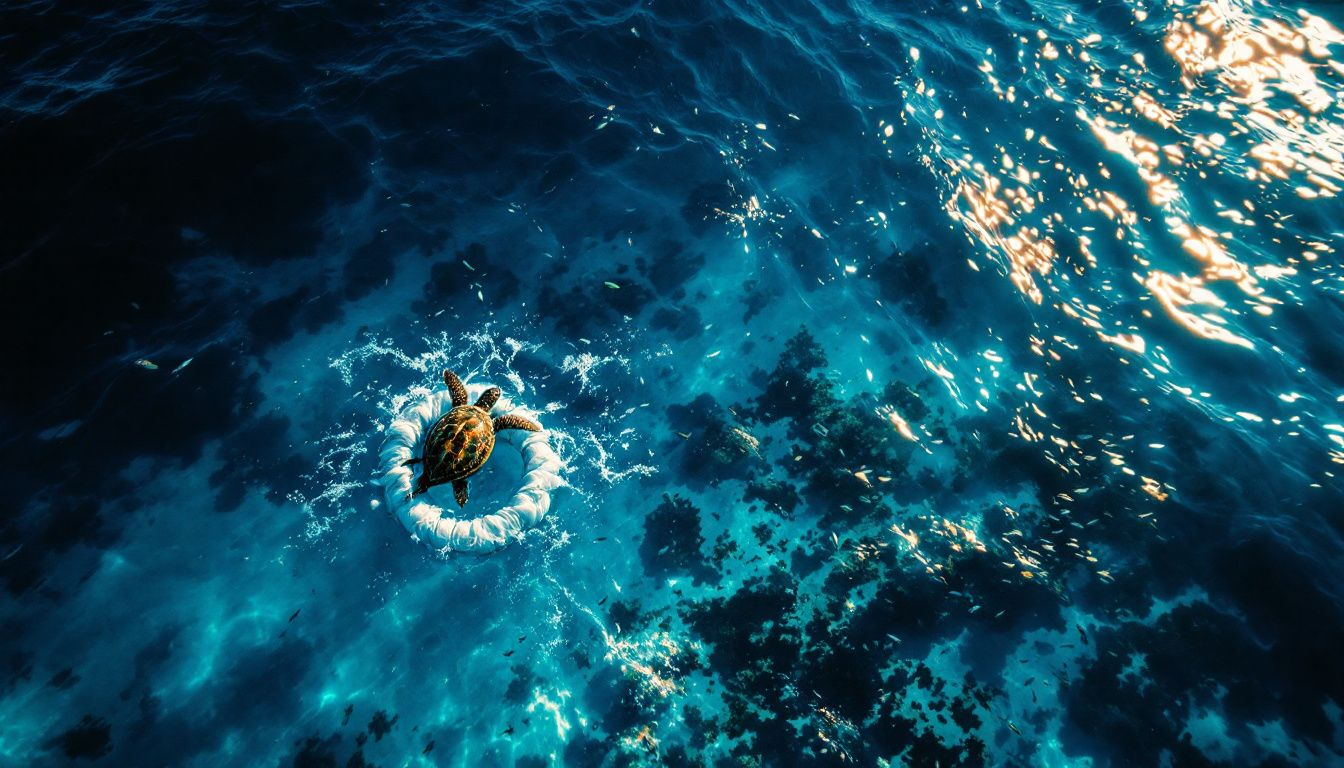

The Ocean Blue Project’s mission is clear and compelling: to restore the health and beauty of ecosystems where humans, wildlife, and plants coexist harmoniously. Since its inception in 2012, the organization has been dedicated to removing plastic and debris from our waterways, beaches, and oceans, thereby protecting marine wildlife and enhancing the overall health of marine ecosystems.
A significant milestone in their journey has been the removal of over one million pounds of plastic and debris from aquatic environments. This monumental achievement not only highlights the effectiveness of their initiatives but also underscores the urgent need for continuous efforts to combat plastic pollution. Through beach cleanups and other activities, the Ocean Blue Project has made a tangible impact on both local and global scales, restoring the natural aesthetics of coastlines and making them more appealing for both locals and tourists.
Participating in these cleanup efforts is more than just picking up trash; it’s about preventing marine debris from harming wildlife, which can lead to injuries or fatalities for marine animals. Every piece of plastic removed from the ocean is a step towards a healthier, more vibrant marine ecosystem and helps to remove plastic waste.
The work of the Ocean Blue Project is a testament to the power of collective action and the positive impact it can have on our planet.
The Scale of Plastic Pollution in Our Oceans
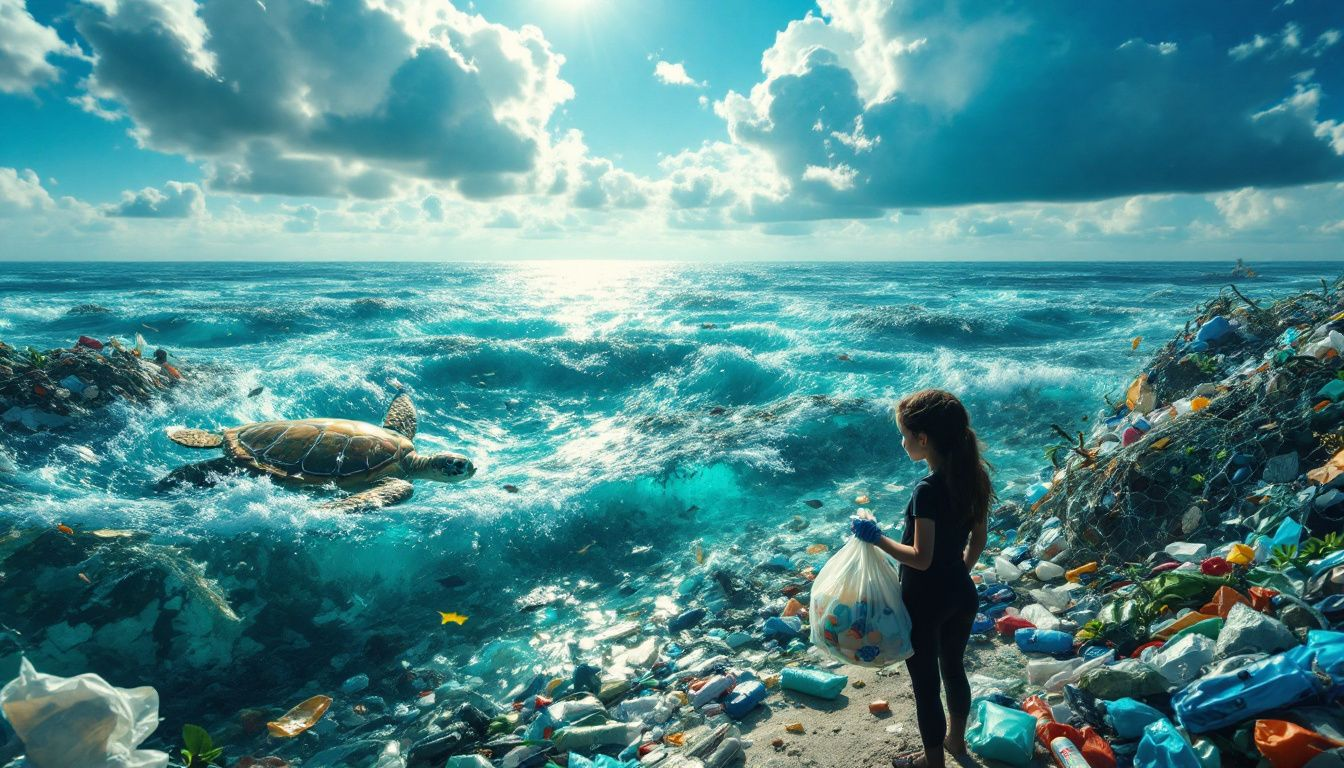
The scale of plastic pollution in our oceans is staggering. Trillions of pieces of plastic, amounting to between 75 and 199 million tons, are estimated to be present in our oceans today. Each year, around 33 billion pounds of plastic enter the marine environment, adding to this already colossal problem. The impact on marine wildlife is devastating, with over one million marine animals dying annually due to plastic pollution.
One of the most well-known examples of this crisis is the Great Pacific Garbage Patch, which contains an estimated 1.8 trillion pieces of plastic and weighs over 100 million kilograms. This floating mass of floating plastics is a stark reminder of the consequences of our plastic consumption and disposal habits. The majority of the plastic debris found here originates from just five major fishing nations, highlighting the need for targeted action in key areas.
If current trends continue, by 2050, the weight of plastic in the oceans is projected to surpass the total weight of all fish combined. This alarming prediction underscores the urgency of addressing plastic pollution. Plastics can persist in the ocean for many decades, continuously harming marine ecosystems and entering the food chain, which can have dire consequences for both wildlife and human health, including the impact of floating ocean plastic.
Technologies and Strategies for Removing Plastic Waste
Innovative technologies and strategic approaches are crucial in the fight against plastic pollution. One such technology is the Automatic Debris Imaging System (ADIS), which uses AI to monitor and map plastic distribution in the oceans. This technology, combined with remote sensing, helps detect plastic pollution hotspots across vast ocean areas, enabling more targeted and efficient cleanup efforts.
The Ocean Cleanup Array is another groundbreaking initiative, utilizing floating barriers that harness ocean currents to collect plastic waste from major garbage patches. This system, supported by AI technology, pinpoints areas densely populated with plastic, optimizing cleanup operations. Future plans include enhancing these barrier systems to improve their efficiency in collecting ocean plastic.
River interception systems also play a vital role in preventing plastic waste from reaching the ocean. These systems are tailored to specific river characteristics to effectively capture plastics upstream. The Rio Motagua interceptor, for example, successfully collected about 10,000,000 kg of trash in its first year of operation. Such systems reduce upstream pollution sources, significantly impacting the overall health of our oceans.
Community Involvement and Volunteer Efforts
Community involvement and volunteer efforts are the backbone of many successful ocean cleanup initiatives. The Ocean Blue Project, recognized by the Oregon Governor, has been an integral part of the annual Oregon Coast Cleanup and Awareness Day since its establishment. Each year, the organization conducts over 200 cleanup events across the United States, fostering a sense of collective purpose and pride among participants.
These community clean-up events do more than just remove trash; they enhance community cohesion and promote environmental stewardship. By participating in such events, individuals can play an active role in preserving our oceans. Leading a cleanup crew or organizing local events are great ways to engage with the cause and inspire others to join the movement.
Campaigns like Save the Waves offer additional opportunities for engagement, providing incentives such as prizes for participants while supporting ocean cleanup efforts. The initiatives of the Ocean Blue Project are designed to involve local communities through hands-on participation, making a significant impact on both local environments and the global fight against plastic pollution.
Global Partnerships and Collaborations
Global partnerships and collaborations are essential to the success of ocean cleanup initiatives. Organizations such as the United Nations Environment Programme, The Clean Oceans Project, and the Macquarie Group Foundation have been instrumental in combating marine pollution. These partnerships enhance the effectiveness of cleanup efforts and inspire a global movement towards reducing marine pollution.
The Macquarie Group Foundation, for instance, has been recognized for its innovative approach to addressing significant social issues, including marine pollution. Collaborative projects with organizations like Project AWARE, which works with scuba divers to remove debris from oceans, further amplify the impact of these efforts.
Through these partnerships, the Ocean Blue Project and other organizations can achieve their common goal of a cleaner, healthier one world ocean.
Success Stories: Millions of Pounds of Plastic Removed
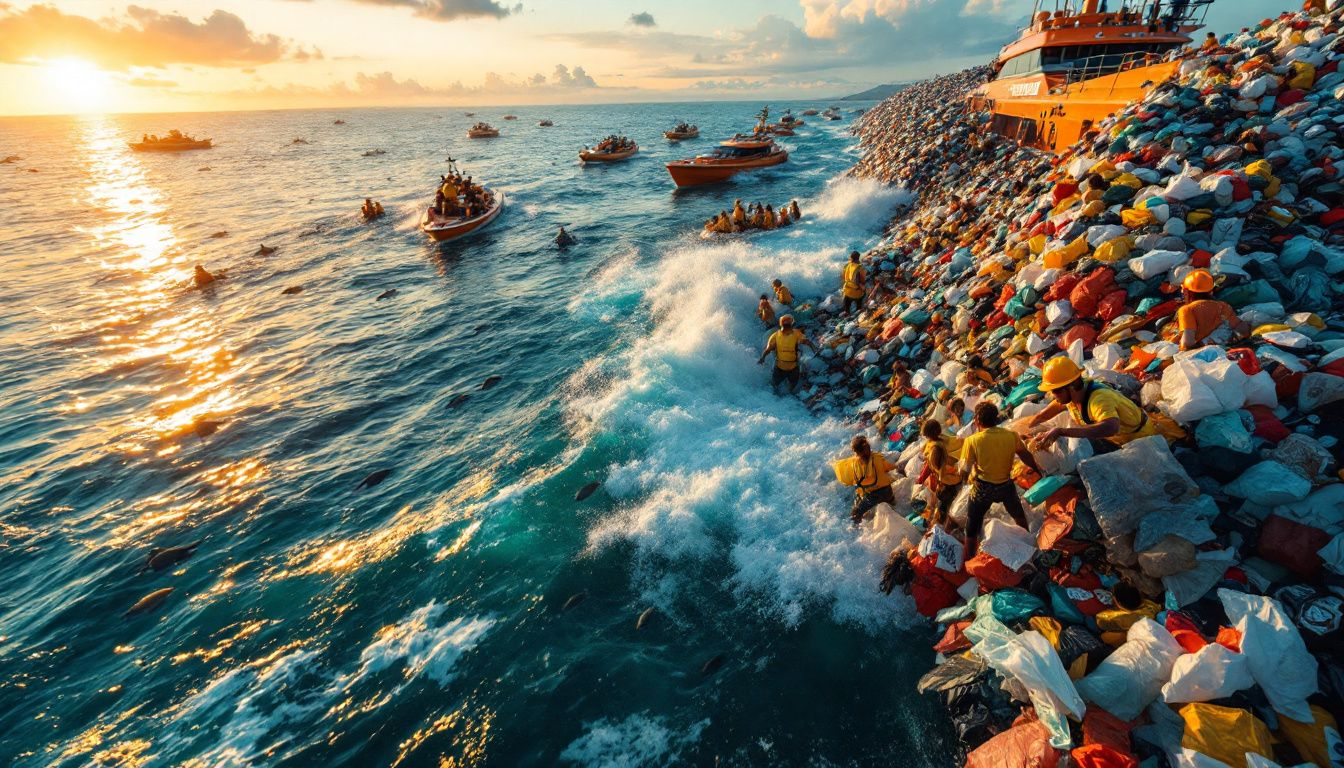
The Ocean Blue Project’s relentless efforts have led to significant successes in removing plastic waste from our waterways. Each year, the organization removes millions of pounds of plastic from various aquatic environments, showcasing the effectiveness of their initiatives. These achievements are not just numbers; they represent a cleaner, healthier ocean for marine wildlife and future generations.
One of the most notable success stories is the interceptor in the Rio Motagua, which removed an astounding 10,000,000 kg of trash in its first year of operation, removing millions of pieces of waste. Such milestones highlight the impact of targeted interventions and the difference they can make in reducing global plastic pollution.
These success stories serve as a testament to the power of innovation, determination, and collective action in tackling one of the planet’s most pressing environmental issues.
River Interception Systems and Their Role
River interception systems are a critical component in the fight against ocean plastic pollution. These systems are designed to capture plastic waste in rivers before it reaches the ocean, addressing the problem at its source. The Interceptor Barricade, for example, captures plastic while allowing water to flow beneath it, minimizing leakage and ensuring effective waste collection.
In Guatemala, the Rio Motagua is a significant source of plastic pollution due to inadequate waste management practices. Local authorities are collaborating on initiatives to tackle this issue, with the Interceptor Barricade playing a crucial role in capturing plastic before it enters the ocean. The foundations of these systems are placed on dry land to prevent erosion and increase stability, ensuring their long-term effectiveness.
Ongoing monitoring and improvements to the design of these systems are essential to their success. By analyzing operational data, the effectiveness of the Interceptor Barricade can be continually enhanced, ensuring it remains a vital tool in the global effort to reduce plastic pollution.
The Importance of Beach Cleanups
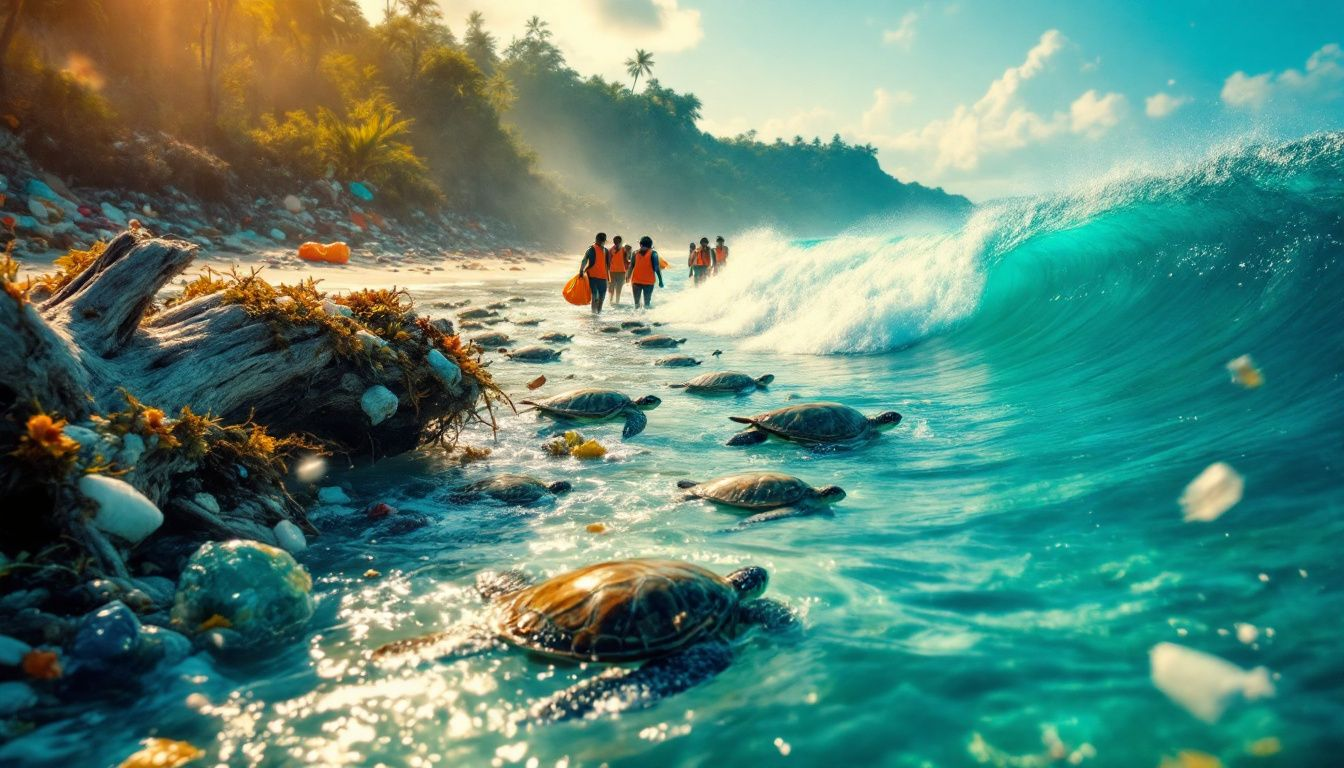
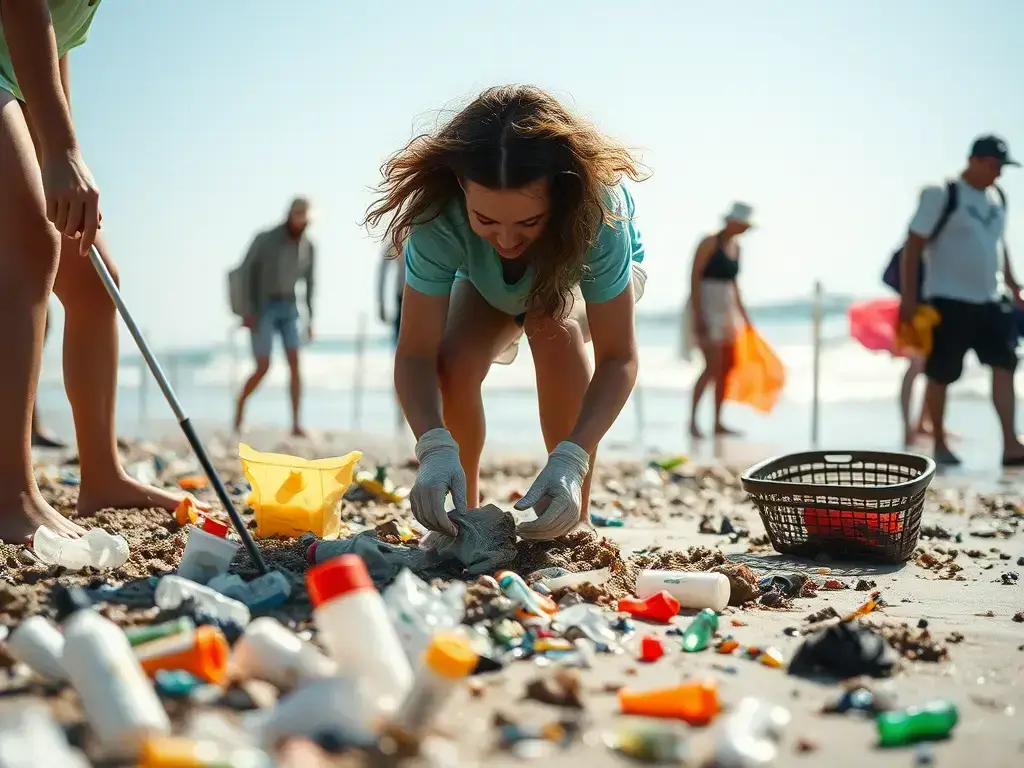
Beach cleanups are a cornerstone of efforts to protect marine wildlife and improve ocean health. These cleanups help protect species like nesting sea turtles and seabirds from the harmful effects of plastic pollution. By removing waste and debris from coastlines, beach cleanups significantly enhance local ecological health and contribute to the broader goal of ocean conservation.
Community involvement in beach cleanups promotes environmental awareness and strengthens community bonds. Engaging on social media to raise awareness can amplify the message and inspire others to take action in support of ocean cleanup.
Ultimately, beach cleanups are crucial for removing waste from coastlines, protecting wildlife, and encouraging responsible waste disposal practices.
Addressing Plastic Pollution at Its Source
Addressing plastic pollution at its source is vital to making a significant impact on ocean health. The U.S. Department of the Interior is working towards eliminating single-use plastic products by 2032 as part of a broader strategy to reduce plastic pollution. Initiatives such as increasing the number of water bottle filling stations promote the use of reusable bottles, thereby reducing reliance on single-use plastics.
Public educational initiatives aim to inform visitors about the negative impacts of plastic pollution on marine environments. Through engaging in beach cleanups, individuals often become more aware of environmental issues, encouraging sustainable practices and inspiring others to take action.
Efforts to address plastic pollution holistically, recognizing the connections from land to sea, are essential for effective management of ocean waste.
Scientific Research Supporting Cleanup Efforts
Scientific research plays a crucial role in supporting and refining ocean cleanup efforts. Research helps inform strategies for marine cleanup, ensuring that interventions are both effective and environmentally sustainable. Understanding the behavior of microplastics, which can be ingested by wildlife and enter the human food chain, is essential for developing targeted cleanup methods.
Innovative technologies, such as those used by The Ocean Cleanup, enhance the collection and identification of plastic waste, enabling efficient recovery methods. The data provided by these technologies has been instrumental in advancing our understanding of oceanic plastic pollution and developing effective strategies to tackle it.
Challenges Faced in Ocean Cleanup
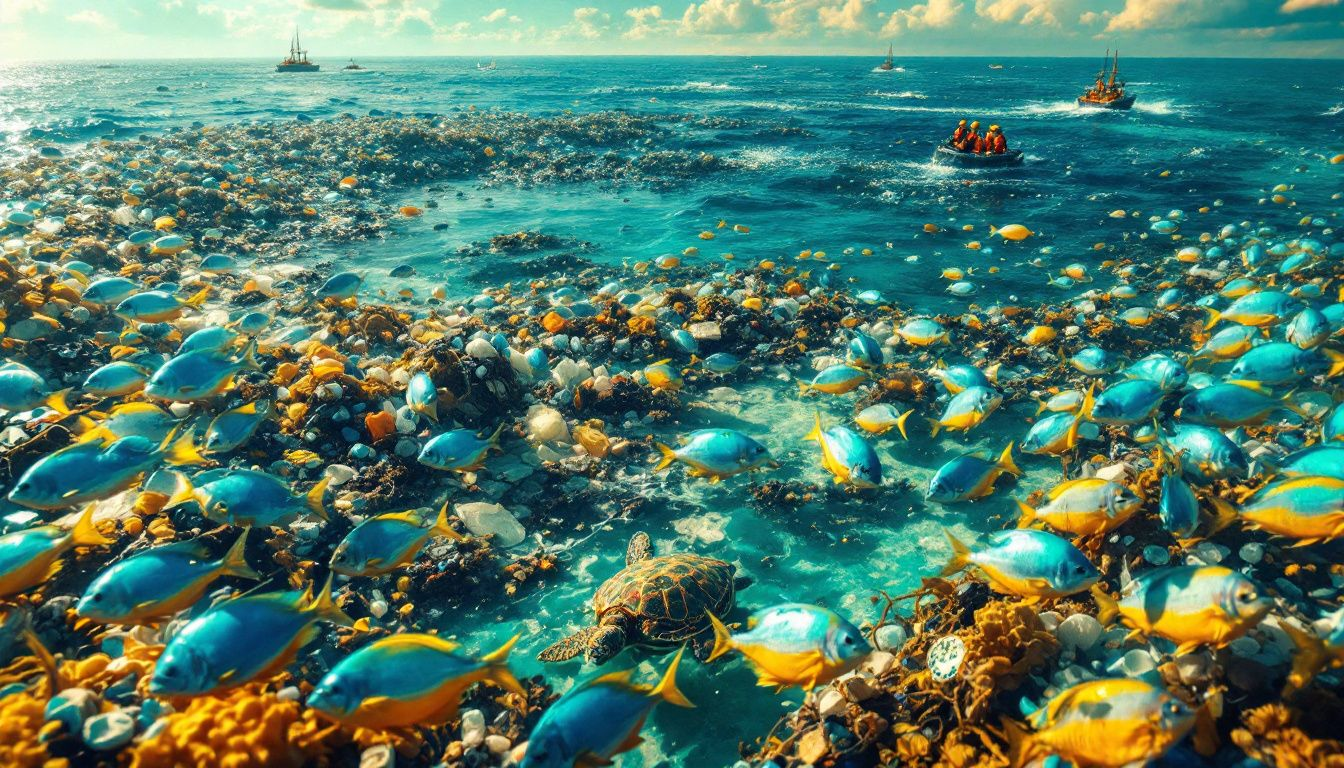
Despite the advancements in technology and strategy, ocean cleanup efforts face several challenges. Environmental Impact Assessments (EIA) are necessary to identify potential negative impacts of cleanup technologies on marine life, ensuring that interventions do not inadvertently harm the ecosystems they aim to protect. Assessing the effects of cleanup operations on marine biodiversity is crucial to identify potential ecological disruptions.
Balancing the effectiveness of cleanup technologies with minimizing their environmental footprint is a complex task. For example, the challenge of dealing with microplastics, which are difficult to collect and pose significant environmental risks, requires continuous innovation and adaptation. Numerical modeling is vital for identifying areas where plastic accumulates, leading to more effective cleanup operations.
Organizations like Deloitte assist The Ocean Cleanup in enhancing its operational efficiency and professionalism, ensuring that cleanup efforts are both effective and sustainable. The Ocean Cleanup also provides critical observational data, enhancing our understanding of how plastic behaves in diverse conditions and informing future strategies.
How You Can Contribute to Ocean Blue Project
Individuals play a crucial role in supporting the Ocean Blue Project and its mission to restore ocean health. You can contribute by participating in beach cleanups, community events, donating, and volunteering. Each dollar donated to the Ocean Blue Project enables them to recover five pounds of plastic from our oceans, making a significant impact on reducing plastic pollution.
Spreading awareness and supporting environmental organizations are also vital ways to contribute. By educating others about the importance of ocean cleanup and encouraging responsible waste disposal practices, you can help reduce the amount of plastic entering our oceans. Every action, no matter how small, contributes to the larger goal of a cleaner, healthier ocean.
Summary
In summary, the Ocean Blue Project and its global partners are making significant strides in tackling plastic pollution and protecting marine ecosystems. From innovative technologies and strategic interventions to community involvement and scientific research, a multifaceted approach is essential to address this pressing issue. The success stories and ongoing efforts highlight the power of collective action and the positive impact it can have on our planet.
As we move forward, it is crucial for individuals to get involved and support these initiatives. Whether through participating in beach cleanups, donating, or spreading awareness, every action counts. Together, we can make a difference and ensure a healthier, more vibrant ocean for future generations.
Frequently Asked Questions
How much plastic is currently in the world’s oceans?
Current estimates indicate that there are between 75 and 199 million tons of plastic in the world’s oceans. This significant amount underscores the urgent need for effective pollution management and environmental protection efforts.
What technologies are used to remove plastic waste from the ocean?
To effectively remove plastic waste from the ocean, technologies such as the Automatic Debris Imaging System (ADIS) and The Ocean Cleanup Array are employed, alongside river interception systems for monitoring and collection. These innovations actively contribute to reducing marine plastic pollution.
How can individuals contribute to ocean cleanup efforts?
Individuals can contribute to ocean cleanup efforts by joining beach cleanups, supporting organizations like the Ocean Blue Project, and raising awareness about plastic pollution in their communities. Your involvement can make a significant impact in preserving ocean health.
Why are beach cleanups important?
Beach cleanups are crucial for protecting wildlife, enhancing local ecosystems, and fostering community engagement. They also raise awareness about the impact of plastic pollution on the environment.
What role do river cleanups systems play in ocean blue cleanup?
River Cleanups are crucial as we are able to capture plastic waste in rivers, preventing it from reaching the ocean and thereby reducing pollution. This proactive approach contributes significantly to the overall cleanliness of our marine environments.