Plastic Pollution Statistics: Key Facts and Data (2026)

Plastic Pollution Statistics: Key Facts and Data (2026)
Plastic pollution has become one of the most significant environmental challenges facing the world today. From oceans and rivers to food and drinking water, plastic waste is now found almost everywhere on Earth.
In this page, we break down the latest plastic pollution statistics, including global trends, ocean impact, and the growing threat of microplastics. These data points highlight the urgency of the problem—and the need for action.
Key Plastic Pollution Statistics

Here are some of the most important plastic pollution statistics:
- Over 400 million tons of plastic are produced globally each year
- Approximately 8–11 million tons of plastic enter the ocean annually
- Nearly 50% of plastic produced is single-use
- Only about 9% of plastic waste is recycled worldwide
- Around 80% of ocean pollution originates from land-based sources
These numbers demonstrate the scale of plastic pollution and how quickly it continues to grow.

Ocean Plastic Pollution Statistics
Plastic waste in the ocean is one of the most visible and harmful forms of pollution.
- There are an estimated 75 to 199 million tons of plastic currently in the ocean
- By 2050, there could be more plastic than fish (by weight) if current trends continue
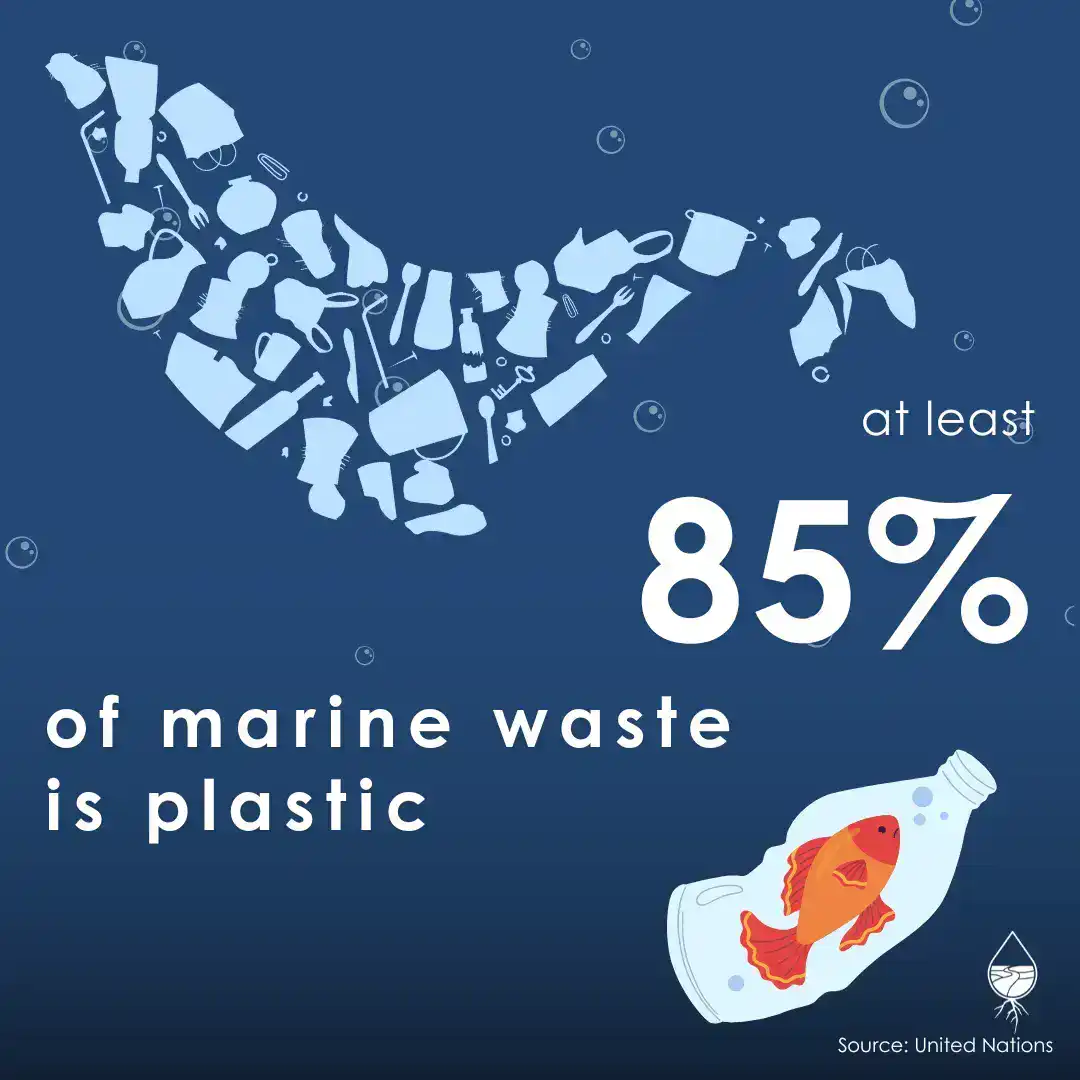
- Plastic makes up about 85% of all marine debris
- Over 100,000 marine mammals die each year due to plastic pollution
Plastic in the ocean does not disappear—it breaks down into smaller particles, contributing to the growing microplastics problem.
River Pollution Statistics
Rivers play a critical role in transporting plastic waste to the ocean.
- Around 1,000 rivers are responsible for nearly 80% of ocean plastic pollution
- Plastic waste from cities and communities enters rivers through stormwater systems
- Most plastic pollution travels through freshwater systems before reaching the ocean
This highlights the importance of river cleanup efforts as a key solution to ocean pollution.
Microplastics Statistics
Microplastics are a growing concern due to their widespread presence and long-term impact.
- Microplastics have been found in 90% of seabirds
- They are present in drinking water worldwide
- Humans may ingest tens of thousands of microplastic particles per year
- Microplastics have been detected in human blood and lungs
Because microplastics are so small, they are extremely difficult to remove once they enter the environment.
Wildlife Impact Statistics
Plastic pollution has devastating effects on marine life.
- Over 700 marine species are affected by plastic pollution
- Animals often mistake plastic for food, leading to ingestion
- Entanglement in plastic debris causes injury and death
Plastic pollution disrupts ecosystems and threatens biodiversity across the globe.
U.S. Plastic Pollution Statistics
Plastic pollution is not just a global issue—it is a major problem in the United States.
- The U.S. is one of the largest producers of plastic waste
- Millions of tons of plastic waste are generated annually
- Much of this waste is not properly recycled or managed
Improving waste management systems is essential to reducing plastic pollution.
Sources of Plastic Pollution
Understanding where plastic pollution comes from helps identify solutions.
Major sources include:
- Single-use plastics (bags, bottles, packaging)
- Poor waste management systems
- Littering and illegal dumping
- Industrial plastic production
- Fishing gear and marine debris
Most plastic pollution begins on land and is carried into waterways and oceans.
Why These Statistics Matter
Plastic pollution statistics are more than just numbers—they represent real environmental and human impacts.
These data points show:
- The rapid growth of plastic production
- The long-term persistence of plastic waste
- The urgent need for prevention and cleanup
Without action, plastic pollution will continue to increase, putting ecosystems and human health at risk.
What Is Being Done to Reduce Plastic Pollution?
Efforts to reduce plastic pollution are happening at local, national, and global levels.
Cleanup Efforts
Organizations like Ocean Blue Project focus on removing plastic waste from rivers and beaches before it reaches the ocean.
These efforts:
- reduce pollution immediately
- prevent microplastics from forming
- engage communities in environmental action
Waste Reduction
Reducing plastic use is one of the most effective ways to prevent pollution.
- Use reusable products
- Avoid single-use plastics
- Support sustainable alternatives
Policy and Innovation
Governments and organizations are working to:
- ban certain single-use plastics
- improve recycling systems
- develop alternative materials
How You Can Help
Everyone can play a role in reducing plastic pollution.
You can:
- Join a beach or river cleanup
- Reduce your plastic use
- Recycle properly
- Support environmental organizations
- Educate others about plastic pollution
Small actions can lead to meaningful change when combined across communities.
Frequently Asked Questions
How much plastic enters the ocean each year?
Between 8 and 11 million tons of plastic enter the ocean annually.
What percentage of plastic is recycled?
Globally, only about 9% of plastic waste is recycled.
How many animals are affected by plastic pollution?
More than 700 marine species are affected by plastic pollution.
Why is plastic pollution a problem?
Plastic pollution harms marine life, disrupts ecosystems, and contributes to long-term environmental and health issues.
Final Thoughts
Plastic pollution is one of the most urgent environmental challenges of our time. The statistics make it clear that without action, the problem will continue to grow.
By understanding the scale of plastic pollution and taking steps to reduce waste, support cleanup efforts, and advocate for change, we can protect our oceans and create a more sustainable future.
