
Trump Supporters Launch ‘Make Recycling Great Again’ Petition: Can It Save Us?

The ‘Make Recycling Great Again Petition’ seeks to tackle the plastic waste crisis, following President Trump’s recent executive order to transition federal agencies back to using plastic straws instead of paper ones, so let’s stop landfilling everything and recycle all we can.
This article covers its origins, goals, and how you can support it.
Key Takeaways
- The ‘Make Recycling Great Again’ petition aims to unite Trump supporters and the public around improving recycling practices and combating plastic pollution.
- The United States generates 42 million tons of plastic waste annually, with a mere 9% being recycled, highlighting the need for enhanced recycling infrastructure.
- Public participation and investment in recycling programs are essential for achieving significant waste reduction and fostering a culture of environmental responsibility. Additionally, the role of plastic in our everyday lives underscores the importance of addressing plastic waste, as it impacts job support and innovation across various industries.
The Birth of the ‘Make Recycling Great Again’ Petition

The ‘Make Recycling Great Again’ petition emerged as a response from President Trump’s supporters, driven by a growing concern over plastic pollution and a desire to promote environmental sustainability. This movement, while rooted in political allegiance, transcends party lines by addressing a universal issue: the overwhelming plastic waste crisis.
The growing visibility of plastic pollution, especially in oceans and communities, has rallied supporters around the cause, highlighting the need for improved recycling practices and infrastructure. The petition aims to mobilize a significant portion of the population to take action against plastic pollution and advocate for a cleaner environment.
Key Figures Behind the Petition

Several prominent environmental activists and community leaders have championed the petition, advocating for a more sustainable approach to recycling. Prominent influencers and advocates have been crucial in mobilizing support and raising awareness about plastic pollution.
Objectives of the Petition
The ‘Make Recycling Great Again’ petition aims to rally Trump supporters and prioritize effective recycling practices. One of its main objectives is to significantly reduce plastic waste by promoting responsible consumption and improving recycling infrastructure. Targeting the root causes of plastic waste, the petition seeks to cultivate a culture of sustainability and environmental responsibility.
In addition to reducing plastic waste, the petition also aims to enhance recycling infrastructure, ensuring that recycling processes can handle increased materials effectively. Achieving these goals will contribute to a cleaner environment and a sustainable future for upcoming generations.
The Current State of Plastic Waste in America

The United States generates an estimated 42 million tons of plastic waste annually, with only about 9% of it being recycled. This staggering amount of waste has led to significant environmental pollution, with plastic straws, bags, and other single-use items contributing heavily to the problem. Despite the growing awareness of plastic pollution, the U.S. continues to lag behind other nations in recycling efforts.
Comparatively, the U.S. has a lower recycling rate than many other countries, with only 25% of its municipal solid waste being recycled. This discrepancy highlights the urgent need for improved recycling infrastructure and public awareness campaigns to address the plastic waste crisis effectively.
Statistics on Plastic Waste
In 2021, approximately 40 million tons of plastic waste were generated in the U.S., with around 80% of it being disposed of in landfills. Each American contributes to approximately 300 pounds of plastic waste every year. These numbers are projected to increase dramatically, with U.S. plastic waste generation expected to exceed 140 million metric tons by 2060.
Despite these alarming statistics, only about 9% of plastic waste in the U.S. is recycled, with most ending up in landfills or the environment. This highlights the urgent need for better recycling infrastructure and practices to manage the increasing plastic waste effectively.
Impact on Environment and Wildlife
Single-use plastics contribute significantly to environmental harm, as they are often used briefly but persist in ecosystems for centuries. The improper disposal of these plastics leads to widespread pollution, with common items like cigarette butts, bottle caps, and food wrappers littering beaches and oceans. This pollution not only mars natural landscapes but also poses severe threats to wildlife.
Marine animals, in particular, are at risk, as they can ingest or become entangled in plastic debris. The use of reusable grocery bags can prevent millions of plastic bags from being used annually, helping to protect marine ecosystems and reduce oil consumption associated with plastic production.
Plastic pollution profoundly affects the environment and wildlife, necessitating immediate and sustained action to mitigate its impact.
Federal Policies on Recycling: Past and Present
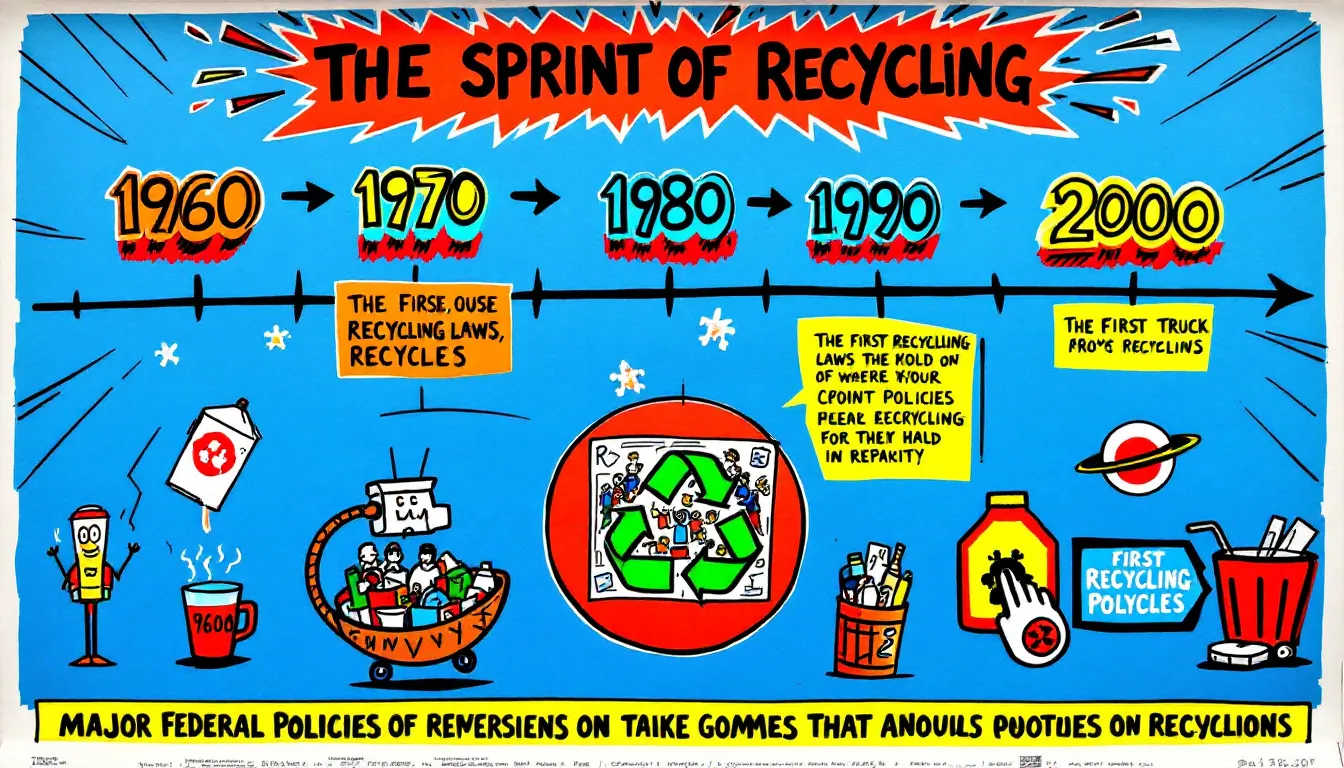
Federal recycling policies in the U.S. have evolved significantly over the years, reflecting changes in environmental awareness and waste management needs. These policies have fluctuated, influenced by changing administrations and their environmental priorities. These shifts help contextualize the current state of recycling and the challenges in improving it.
The U.S. is one of the largest consumers of plastic, with usage tripling since the 1980s, contributing significantly to global plastic waste. Enhancing recycling infrastructure is essential due to the complexities of processing different types of plastics.
President Trump’s Approach to Recycling
During Trump’s presidency, recycling initiatives faced cuts, including a freeze on funding from significant infrastructure laws, affecting various waste-related programs. The Trump administration’s focus on economic growth often sidelined comprehensive recycling strategies, leading to a rollback of many environmental regulations.
Advancements like AI-driven sorting technologies and chemical recycling processes are being developed to improve plastic waste management efficiency.
President Biden’s Recycling Initiatives
The president biden administration has prioritized sustainability, aiming to enhance recycling through new executive orders. Biden’s initiatives include efforts to improve domestic recycling markets and reduce plastic waste, reflecting a renewed commitment to environmental protection.
Integrating recycling into broader climate change strategies, Biden’s administration aims to reduce waste and tackle plastic pollution more effectively. These efforts represent a significant shift from the previous administration’s approach, focusing on sustainable waste management practices and environmental stewardship.
The Role of Single Use Plastics in Pollution
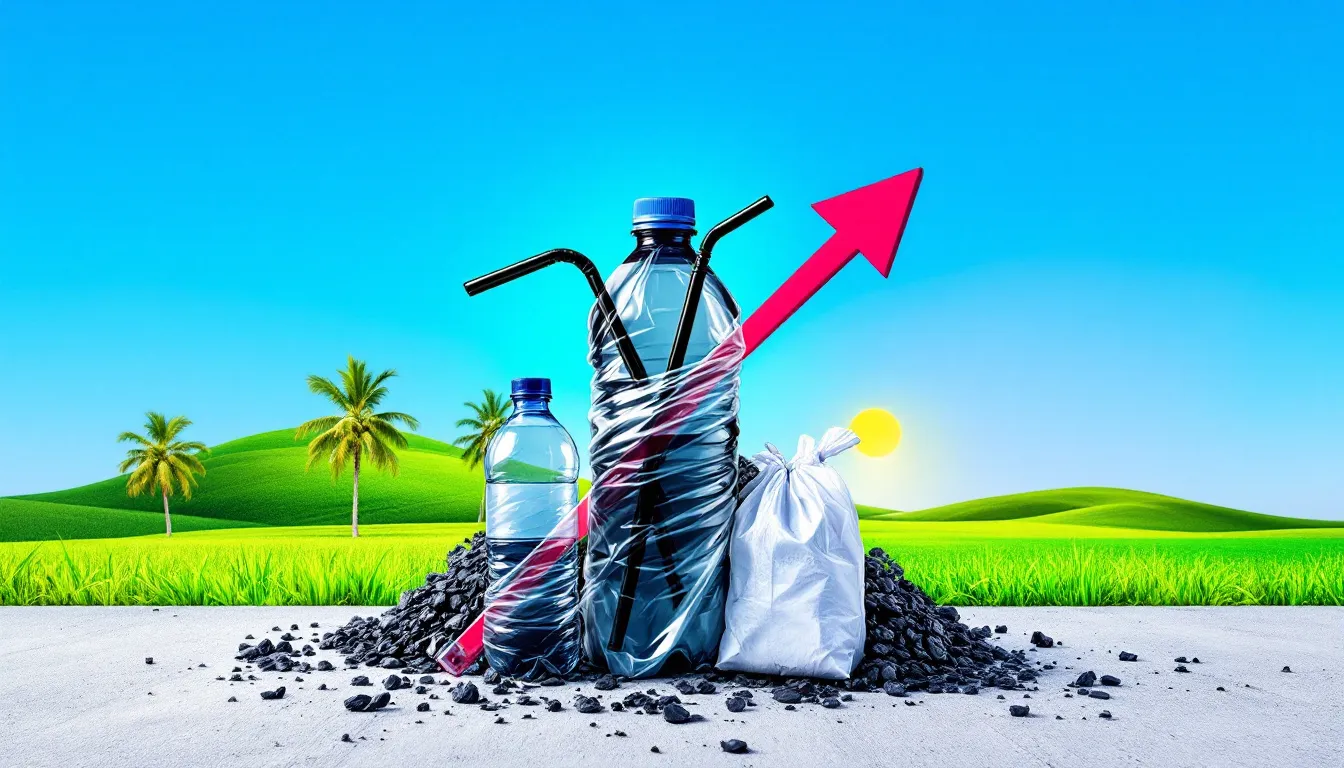
Single-use plastics are primarily designed for one-time use, leading to substantial waste and pollution problems worldwide. The convenience of these items often results in them being discarded after a single use, exacerbating pollution issues. Environmental degradation is accelerated by the improper disposal of single-use plastics, contributing significantly to pollution.
The growing awareness of the environmental impact of single-use plastics has led to increased calls for alternatives and more sustainable consumption practices. Addressing single-use plastics is crucial for reducing waste and mitigating their harmful environmental effects.
Alternatives to Single Use Plastics
Countries like South Korea demonstrate effective waste reduction strategies that other nations can adopt to minimize single-use plastics. Adopting alternatives to single-use plastics can significantly improve recycling efforts and reduce waste production.
These alternatives include reusable items, biodegradable materials, and other materials, as well as innovative packaging solutions.
Case Studies of Successful Reductions
Cities implementing bans on plastic bags have seen significant decreases in plastic pollution, showcasing the effectiveness of policy changes. For example, Seattle implemented a ban on single-use plastic bags, successfully reducing the number of plastic bags used by consumers.
These cases underscore the potential for policy-driven reductions in single-use plastics.
Strengthening Recycling Infrastructure
A primary aim of the ‘Make Recycling Great Again’ petition is to enhance recycling programs and reduce plastic waste through increased infrastructure and community engagement. The U.S. lacks a national recycling mandate, with recycling policies largely determined at state and local levels. This decentralized approach requires significant investment and coordination to improve recycling effectiveness.
Public engagement in recycling efforts significantly boosts success by fostering community ownership and awareness. Better recycling practices can lower greenhouse gas emissions by reducing the need for raw material extraction and processing.
Investment in Recycling Programs
Financial commitments are critical for upgrading recycling facilities to handle the increasing volume and complexity of plastic waste effectively. Estimates indicate that $36.5 to $43.4 billion in investment is necessary to upgrade the recycling infrastructure, which includes enhancing curbside collection, drop-off sites, and processing facilities.
The Bipartisan Infrastructure Law allocates over $117 million to state and local recycling programs for better waste management systems. Such investments are essential to revamp the system and ensure efficient and effective recycling processes.
Technological Innovations in Recycling
Technological innovations are crucial for making recycling more efficient and effective in tackling the plastic waste crisis. Recent advancements include automated sorting systems that can identify and separate materials more accurately than human labor. These technologies not only improve the quality of recycled materials but also significantly increase the volume of recyclables processed.
Such innovations are essential for transforming recycling efforts and protecting the environment. Advanced technologies, such as chemical recycling, are capable of processing nearly all types of plastics, including those that are typically hard to recycle.
Public Support and Involvement
Public involvement is crucial for effective recycling habits and making sustainable changes in community practices. Transitioning to reusable items like water bottles and shopping bags can notably reduce the environmental impact of single-use plastics. Enhancing recycling infrastructure includes expanding collection systems, improving sorting technologies, and increasing public education on recycling practices.
Community engagement in recycling initiatives fosters ownership and responsibility, enhancing the effectiveness of recycling programs.
How to Sign and Support the Petition
Individuals can support recycling petitions by signing online platforms and encouraging friends and family to participate. Supporters can share the petition on social media to boost visibility and collective impact.
Community Initiatives and Campaigns
Grassroots movements in communities often lead to successful plastic waste reduction, as they prioritize local involvement and understanding of specific environmental challenges. Participating in organized drives and educational events can raise awareness about the petition’s goals and encourage broader community support.
Global Perspectives on Recycling
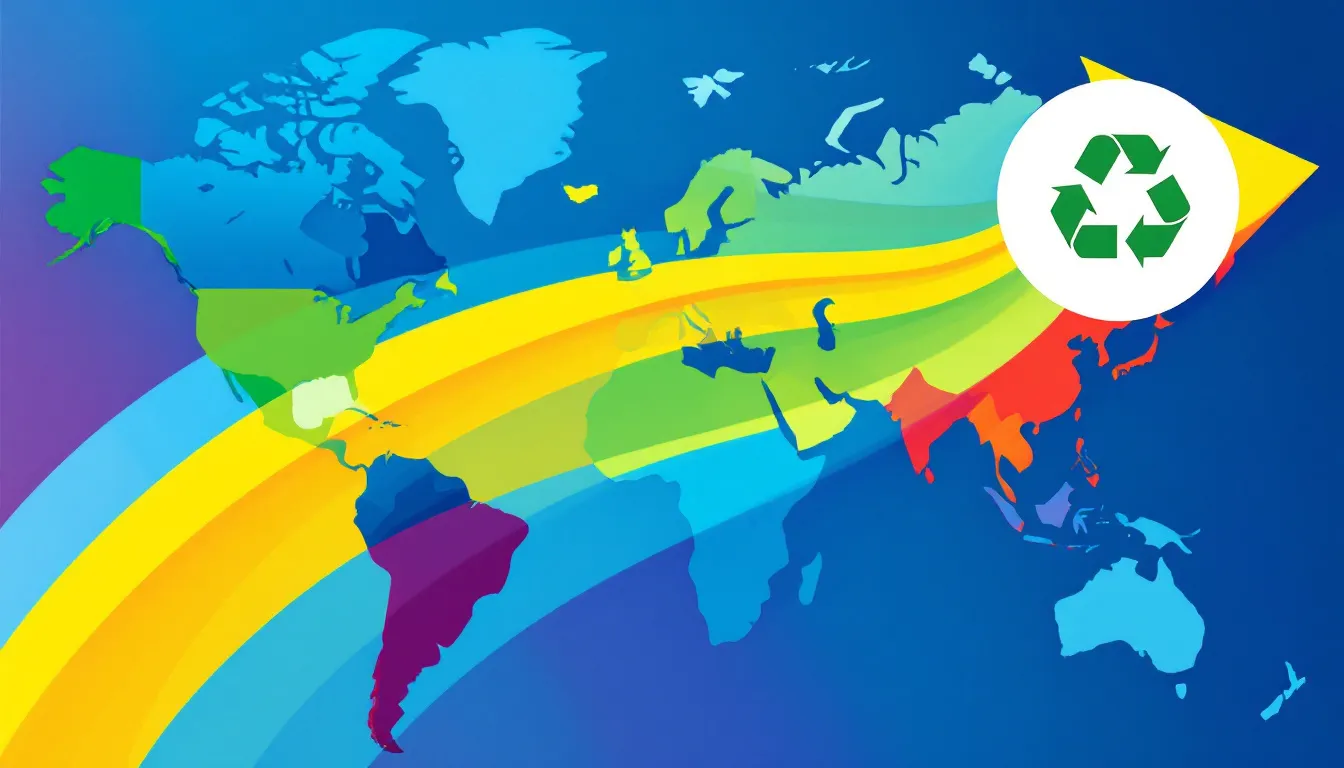
Countries like Sweden and Japan lead in recycling practices due to strong public involvement and strict waste segregation policies. Comparing U.S. recycling practices with those of leading countries can provide valuable insights and strategies for improvement.
Global collaborations play a crucial role in enhancing recycling rates and tackling plastic waste through shared goals and frameworks. International agreements focus on promoting sustainable waste management practices and reducing plastic pollution globally.
Leading Countries in Recycling
Countries like Germany and Sweden are recognized for their high recycling rates and comprehensive waste management policies. In 2022, Slovenia and Germany led the OECD in municipal solid waste recycling rates, achieving 55.3% and 47%, respectively. South Korea also demonstrates advanced waste management systems, reporting a recycling rate of approximately 54% in 2021.
Switzerland’s introduction of high-cost garbage bags has led to a significant reduction in non-recyclable waste, with around 93% of glass bottles being recycled.
Wales has improved its household recycling rate from 5% to 64% in two decades through comprehensive education and policy implementation.
International Agreements and Cooperation
Such collaborations aim to boost recycling rates and address plastic waste through shared goals and frameworks. International agreements focus on enhancing cooperation among nations to address plastic pollution and promote recycling practices.
Addressing Greenhouse Gas Emissions Through Better Recycling
The production and incineration of single-use plastics contribute significantly to greenhouse gas emissions, impacting climate change. Enhanced recycling practices can significantly cut greenhouse gas emissions, aiding the fight against climate change. Under Biden, there is a renewed focus on integrating recycling into broader climate change strategies, aiming to reduce overall waste.
Effective recycling can mitigate the environmental impact of plastic waste, making it a critical component of climate change strategies.
Energy Savings from Recycling
Using recycled materials typically consumes less energy than producing goods from virgin resources, conserving energy and reducing fossil fuel reliance. Recycling ten plastic bottles, for instance, can save enough energy to operate a laptop for over 25 hours. This demonstrates the substantial energy savings that can be achieved through effective recycling practices.
Recycling metals can save up to 95% of the energy that would be used to extract and process new metal from ore. Similarly, recycling paper typically requires 60% less energy than producing paper from virgin materials. Overall, recycling not only conserves significant amounts of energy but also contributes to reducing our dependence on fossil fuels.
Economic Benefits of Recycling
Effective recycling practices create jobs in the recycling and waste management sectors, boosting local economies. The recycling sector supports approximately 681,000 jobs and generates $37.8 billion in wages annually in the United States. These jobs span various sectors, from collection and processing to manufacturing and retail.
In addition to job creation, recycling contributes about $5.5 billion in tax revenues, which supports various public services and infrastructure. The economic benefits of recycling are clear, with effective initiatives not only reducing waste management costs but also fostering economic growth through sustainable practices.
Sign Your Name
Signing the ‘Make Recycling Great Again’ petition advocates for stronger recycling practices and infrastructure improvements. By adding your name, you are joining a growing movement dedicated to addressing plastic waste and promoting environmental sustainability. Every signature counts and can help drive significant policy changes.
To support the petition, you can sign online platforms and share the petition through social media to increase visibility. Encourage your friends and family to participate as well, amplifying the collective impact of this crucial initiative.
Together, we can make a difference and create a cleaner, more sustainable future.
Summary
The ‘Make Recycling Great Again’ petition represents a concerted effort to tackle the plastic waste crisis through stronger recycling practices and infrastructure improvements. By understanding the current state of plastic waste in America, learning from federal policies, and exploring the role of single-use plastics, we can see the urgent need for change. Investments in recycling programs and technological innovations are critical for enhancing recycling effectiveness.
Public support and involvement are essential for driving these changes, and global perspectives can provide valuable insights for improving our recycling practices. By addressing greenhouse gas emissions through better recycling, we can contribute to a healthier planet and a more sustainable economy. Join the movement and sign the petition to make a lasting impact.
Frequently Asked Questions
What is the ‘Make Recycling Great Again’ petition about?
The ‘Make Recycling Great Again’ petition aims to address plastic waste and enhance environmental sustainability by advocating for improved recycling practices and infrastructure. This initiative reflects a commitment to stronger environmental stewardship.
How can I support the petition?
To effectively support the petition, sign it online and share it on social media to raise awareness. Encouraging friends and family to participate amplifies the impact of your efforts.
What are the main objectives of the petition?
The main objectives of the petition are to significantly reduce plastic waste, enhance recycling infrastructure, and foster a cleaner environment for future generations.
How does recycling benefit the environment and economy?
Recycling significantly benefits the environment by conserving energy and reducing greenhouse gas emissions, while also bolstering the economy through job creation and increased tax revenues. Emphasizing recycling can lead to a healthier planet and a stronger economy.
What are some successful examples of reducing single-use plastics?
Cities like Seattle have successfully reduced plastic pollution by banning single-use plastic bags, while South Korea has implemented effective waste reduction strategies. These examples demonstrate that policy changes can lead to substantial environmental benefits.
