
Top Ocean Cleanups: Strategies to Tackle Marine Pollution
Ocean cleanups are essential to address the growing plastic pollution in our seas. This article explores the scale of the problem and highlights top initiatives and technologies working to clean our oceans.
Key Takeaways
- Ocean plastic pollution accounts for about 80% of marine pollution, with projections indicating a potential tripling of plastic in the oceans by 2063, posing severe threats to marine ecosystems and human health.
- Innovative technologies, such as the Ocean Plastic Cleanup Array and river interception systems, are crucial in efficiently collecting plastic waste from oceans and rivers, enhancing the effectiveness of cleanup initiatives.
- Community engagement is vital in ocean cleanup efforts, with initiatives like beach cleanups and educational outreach helping to raise awareness and foster collective responsibility in tackling marine pollution.
The Current State of Ocean Plastic Pollution
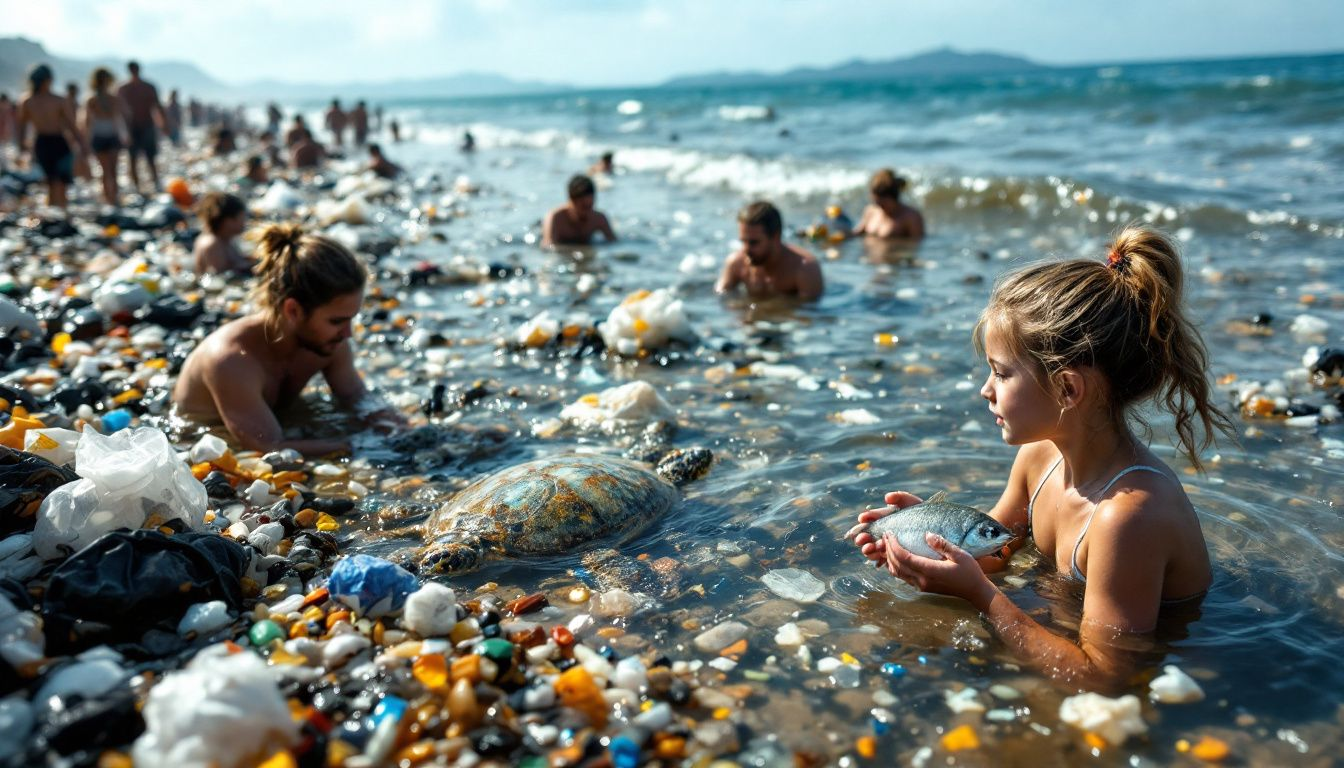
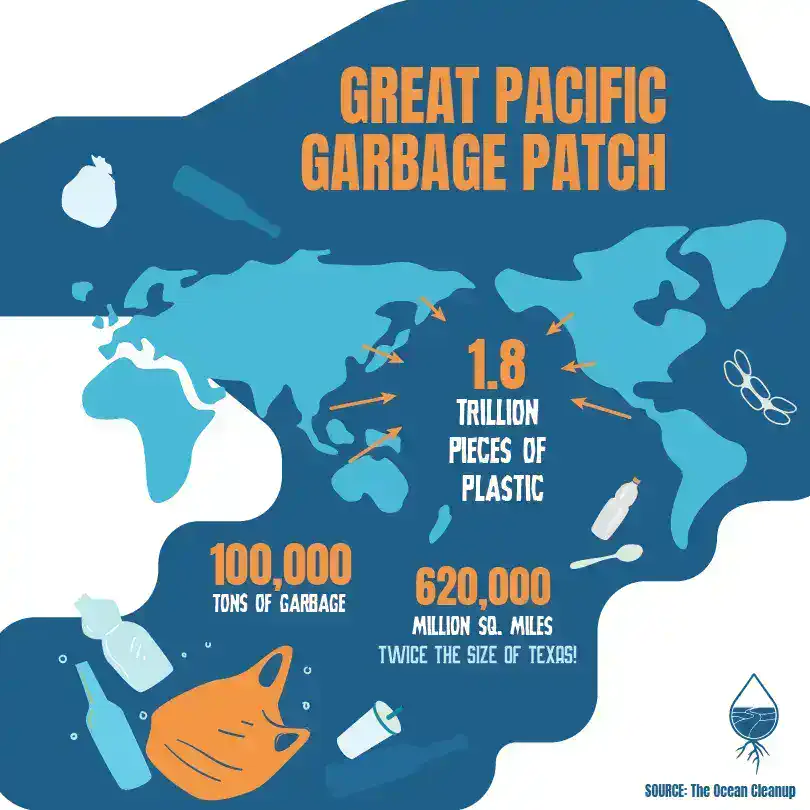
Plastic pollution is a dominant force in marine environments, accounting for about 80% of all marine pollution. Alarmingly, between 75 million and 199 million tons of plastic waste are estimated to be floating in the world’s oceans, creating vast areas of marine debris such as the infamous Great Pacific Garbage Patch. If current trends continue, the amount of ocean plastic pollution could triple over the next 40 years, posing even greater threats to marine ecosystems and human health.
Projections indicate that by 2050, the weight of plastic in the oceans will surpass the total weight of all fish. This staggering statistic highlights the urgency of addressing this issue. Plastic pollution affects marine wildlife and ecosystems, taking decades to decompose and often breaking down into microplastics that are ingested by marine species. Approximately 1,000 different marine species have been negatively impacted by plastic pollution, with over 100 species facing endangerment due to entanglement or ingestion of plastics.
Plastic waste also introduces invasive species into new environments, disrupting local ecosystems and their natural balance. This cascading effect of plastic entering our oceans underscores the need for comprehensive and immediate action to remove plastic waste and mitigate its impacts on marine life and biodiversity.
Innovative Technologies for Ocean Cleanup
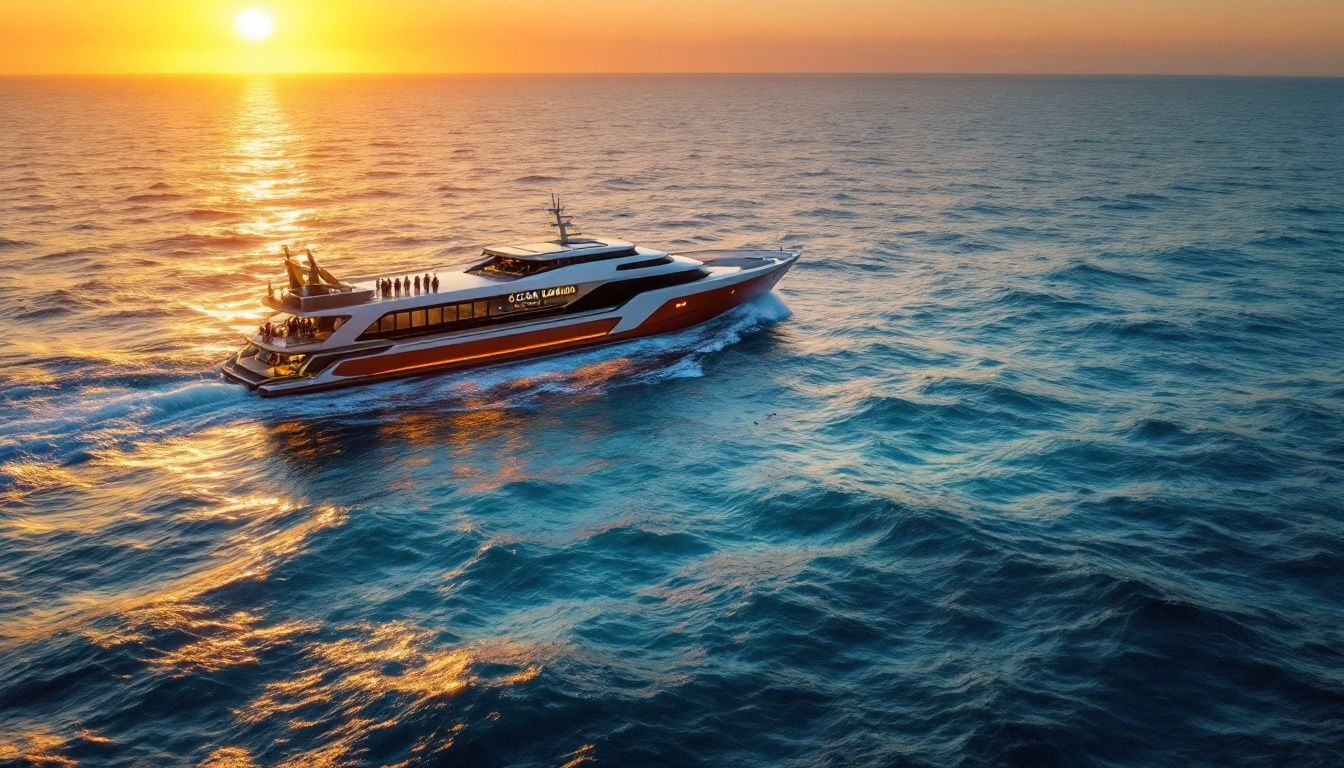
Technological innovation is at the forefront of efforts to combat ocean plastic pollution. The Ocean Cleanup Array, for instance, utilizes a network of floating barriers that harness ocean currents to collect plastic waste. This system, coupled with a u-shaped barrier pulled by boats, targets floating ocean plastic in major garbage patches, including the Great Pacific Garbage Patch.
In the quest for more effective solutions, The Ocean Cleanup employs AI-powered cameras to identify and target high-density areas of plastic debris in the ocean. These technologies not only enhance the efficiency of removing plastic but also provide valuable data that can inform future cleanup strategies. Plans are underway to develop larger and more efficient barrier systems that promise to scale up the impact of these efforts.
These innovative technologies to rid our oceans of plastic are crucial in the fight against marine pollution. As these scale technologies continue to evolve and scale, they bring us closer to a future where our oceans are free from the scourge of plastic waste.
Major Ocean Cleanup Initiatives
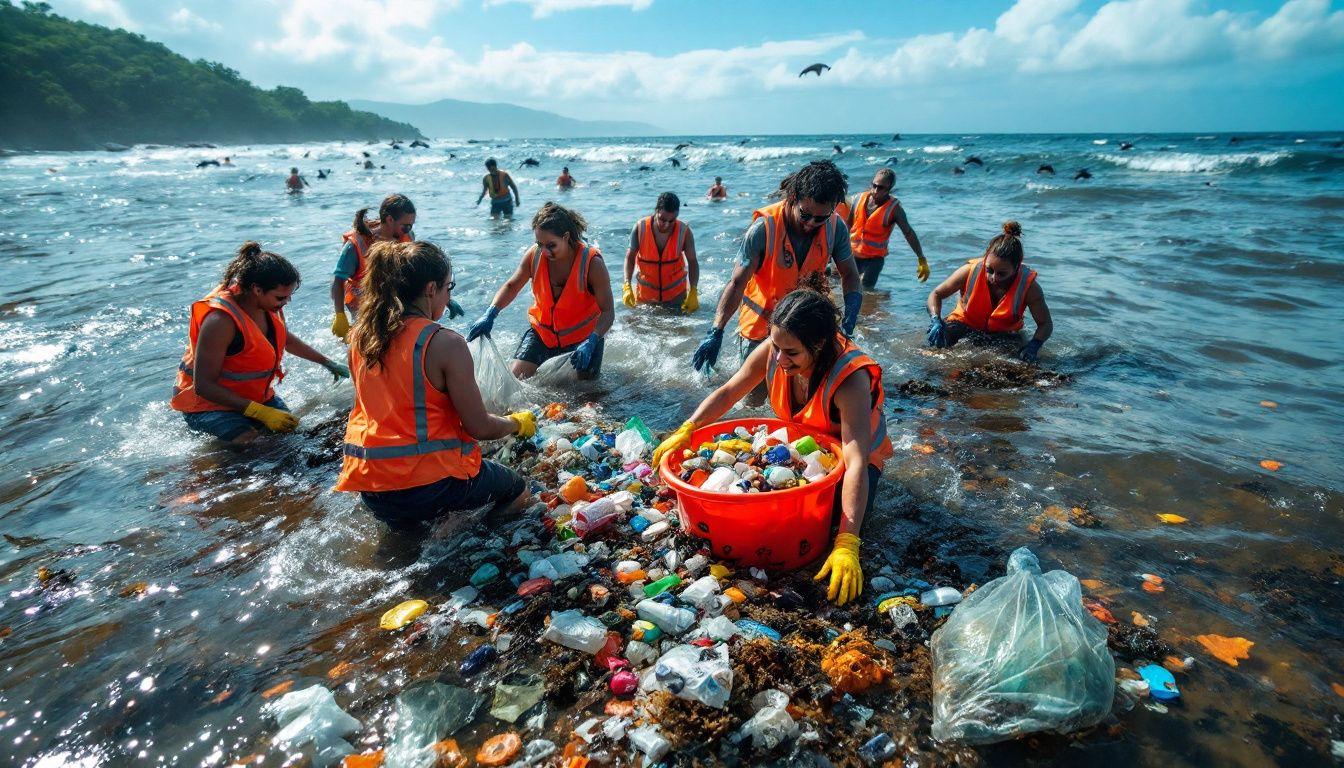
Around the world, numerous initiatives are dedicated to tackling the pervasive issue of ocean plastic pollution. These efforts range from large-scale technological projects to community-driven cleanups, each playing a vital role in the broader mission to restore the health of our oceans.
Let’s dive into some of the most significant initiatives making waves in this crucial fight.
The Ocean Cleanup Project
The Ocean Cleanup Project stands at the forefront of efforts to extract plastic pollution from our oceans. With an ambitious goal to reduce floating ocean plastic by 90% by 2040, the organization has already made significant strides. In 2023 alone, The Ocean Cleanup collected 8,531 metric tons of ocean and river plastic, contributing to a total of approximately 15.8 million kilograms of trash removed since its inception.
Millions of gallons of fuel used annually when using the boat to remove plastic. According to information from The Ocean Cleanup, their vessels can release around 600 metric tons of carbon dioxide per month during cleanup operations, which is comparable to the emissions of approximately 130 cars driving for a year; this highlights the significant fuel usage needed to operate their cleanup systems, primarily due to the need for support vessels to tow and collect plastic in the ocean.
One of their notable achievements includes the deployment of System 002, which successfully removed over 84,000 kilograms of plastic from the Great Pacific Garbage Patch as of June 2022. This system, along with the earlier System 001, nicknamed Wilson, has been instrumental in capturing large amounts of plastic debris through innovative floating barriers. The Aerial and Mega Expeditions have further enhanced our understanding of oceanic plastic pollution, providing unprecedented data that informs future actions.
Additionally, The Ocean Cleanup’s advanced river interception systems target polluted hotspots, capturing plastic before it can enter the oceans. Their public engagement initiatives, including a dedicated app, empower individuals to participate in surveying and addressing ocean pollution, exemplifying a holistic approach to combating marine debris.
Ocean Blue Project
The Ocean Blue Project emphasizes the power of community involvement and education in ocean cleanup efforts. This non-profit organization focuses on cleaning beaches and waterways, fostering a sense of responsibility and stewardship among local communities. By engaging volunteers in hands-on activities, they not only remove marine debris but also raise awareness about the impact of plastic pollution on marine life and ecosystems, supporting ocean cleanup’s mission.
Their efforts are supported by a global network of partners, including the Macquarie Group Foundation, which helps amplify their impact around the world. Through their initiatives, Ocean Blue Project demonstrates that collective action, guided by a common goal, can lead to significant environmental benefits for our planet.
Other Notable Efforts
Collaborative efforts are essential in effectively combating marine plastic pollution. The United Nations Environment Programme (UNEP) spearheads various partnerships aimed at coordinated action against marine pollution. Organizations like The Clean Oceans Project focus on innovative waste management and recycling solutions within coastal communities, while Project AWARE collaborates with scuba divers worldwide to remove debris from the ocean and raise awareness about marine litter.
The Plastic Pollution Coalition and the Marine Conservation Society also play pivotal roles in mobilizing resources and fostering community engagement through beach cleanups and campaigns to protect marine environments. These collaborative projects not only enhance the effectiveness of marine cleanup initiatives but also inspire a global movement towards a cleaner, healthier ocean.
River Interception Systems
Intercepting plastic waste in rivers before it reaches the ocean is a critical strategy in reducing marine plastic pollution. The Ocean Cleanup’s Interceptor technology is designed to capture plastic in rivers, addressing upstream pollution sources that significantly contribute to ocean debris. These systems are tailored to specific river characteristics, such as width and flow speed, ensuring their effectiveness across different environments.
Research indicates that about 1,000 rivers are responsible for a significant portion of ocean plastic pollution, making them vital targets for cleanup efforts. The success of these systems is evident in cases like the Rio Motagua, where a new interceptor removed 10,000,000 kg of trash in its first year.
Such initiatives play a key role in preventing plastics from entering the ocean, thus supporting broader marine conservation efforts.
The Role of Beach Cleanups
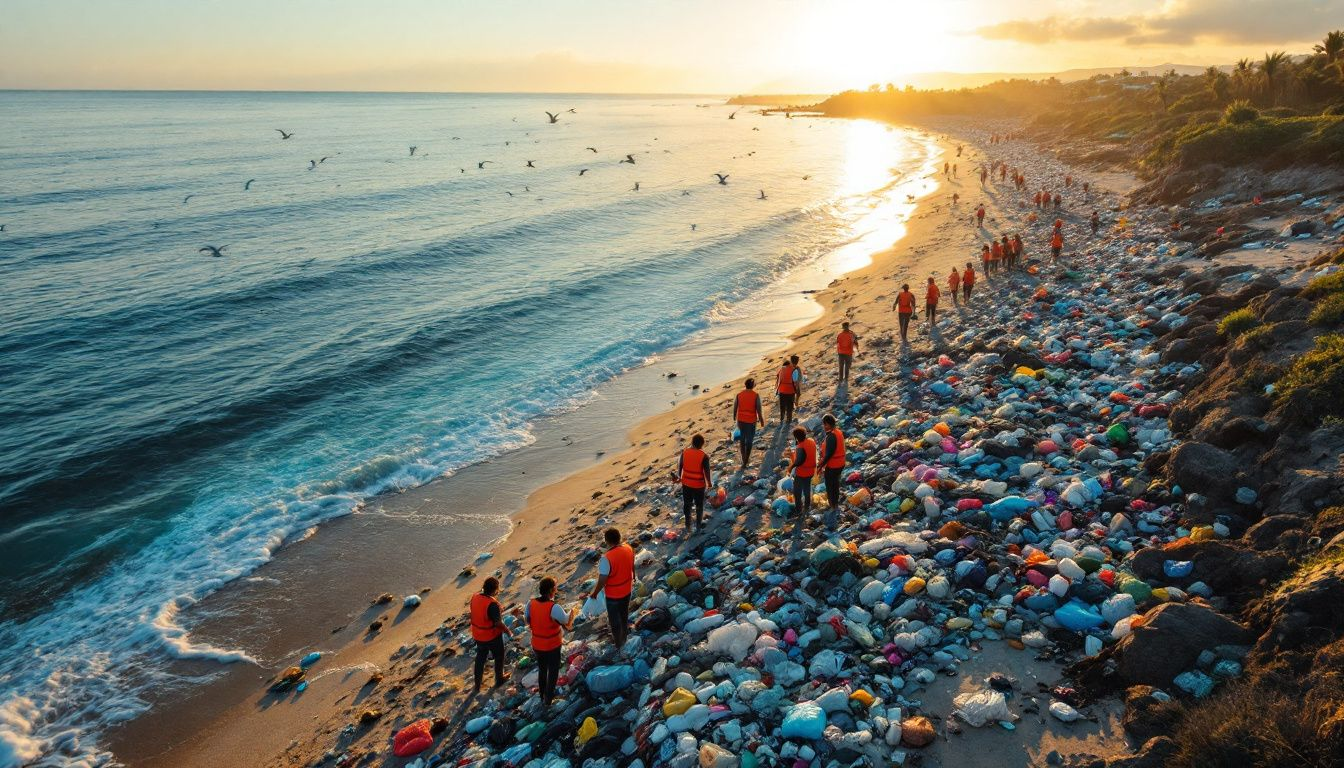
Beach cleanups are a crucial component of efforts to combat marine pollution. These events actively remove waste from coastal areas, protecting wildlife and ecosystems from the harmful effects of plastic debris. By preserving the biodiversity of coastal regions, beach cleanups benefit species like nesting sea turtles and seabirds, which are particularly vulnerable to plastic pollution.
Furthermore, organizing local cleanups with community members not only helps clean beaches but also raises awareness about the issue and encourages responsible waste disposal practices. Engaging volunteers, especially children, in these activities fosters a more environmentally conscious generation and strengthens community bonds through collective action.
Addressing Plastic Pollution at the Source
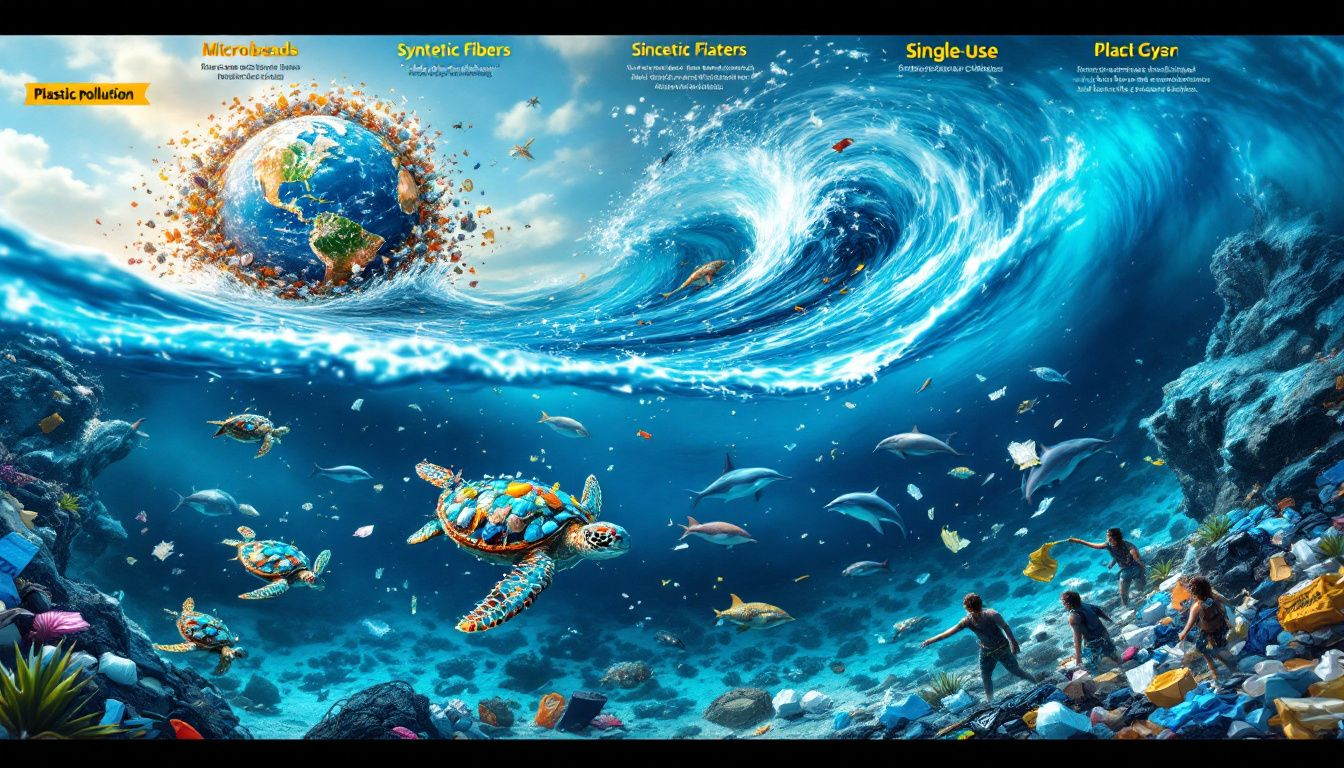
Addressing plastic pollution at its source is fundamental to reducing the amount of waste entering our oceans. Reducing the use of single-use plastics, such as plastic bags, by opting for reusable alternatives is a straightforward and impactful approach. The U.S. Department of the Interior, for example, aims to phase out single-use plastic products by 2032 to combat pollution in waterways and protect wildlife. Collaborating with commercial partners to reduce the sale of single-use plastics in dining and retail venues is also crucial.
Additionally, increasing the number of water bottle filling stations can promote the use of reusable bottles, reducing plastic waste. Proper waste disposal and minimizing plastic use contribute significantly to reducing ocean pollution. Educational outreach initiatives play a vital role in informing the public about the impacts of plastic pollution and encouraging behavioral changes. Such efforts are essential, especially in countries that contribute significantly to ocean plastic waste.
Scientific Research and Findings
Scientific research plays a pivotal role in understanding plastic pollution and guiding effective cleanup strategies. Studies indicate that the ocean surface serves as a temporary resting place for plastic, while the deep ocean acts as a permanent sink. Plastic pollution can persist in the ocean for centuries, breaking down into microplastics that complicate cleanup efforts. Data from drone surveys, camera monitoring, and physical sampling enhance our understanding of plastic pollution sources in rivers.
Research also provides insights into how plastic is transported and plastic collected in the deep ocean, aiding in source reduction efforts. Estimates suggest that between 3 to 11 million metric tons of plastic waste accumulate on the ocean floor, with a significant portion found at depths shallower than 200 meters. Inland and coastal seas are estimated to contain as much plastic mass as the rest of the ocean floor.
Additionally, over 500 marine locations globally are classified as dead zones, unable to support marine life.
Challenges and Criticisms
Despite the numerous efforts and advancements in ocean cleanup technologies, challenges and criticisms persist. Conducting Environmental Impact Assessments (EIA) is necessary to identify and mitigate potential negative impacts of cleanup technologies on marine life. These assessments ensure that the benefits of reducing plastic pollution outweigh any unintended consequences, such as CO2 emissions and the inadvertent capture of marine organisms.
Balancing the dual strategy of developing effective cleanup technologies while minimizing their environmental footprint is a complex but essential task. It requires ongoing evaluation and adaptation to ensure that the solutions created do not inadvertently harm the ecosystems they aim to protect.
How You Can Help
Individuals can play a significant role in supporting ocean cleanup efforts. Participating in local beach cleanups and community events is a direct way to reduce marine pollution. These activities not only remove plastic waste but also raise awareness and foster a sense of stewardship among participants. Wearing merchandise that promotes cleaner oceans can help spread awareness and encourage others to join the cause.
Supporting organizations engaged in ocean cleanup efforts through donations or volunteering and ocean conservancy can also make a substantial impact. Every small action contributes to the larger goal of preserving our oceans for future generations.
Summary
In summary, tackling marine plastic pollution requires a multifaceted approach that includes innovative technologies, major cleanup initiatives, community involvement, and addressing the issue at its source. From The Ocean Cleanup’s ambitious projects to community-driven efforts by the Ocean Blue Project, every action counts in the fight against ocean plastic pollution. Scientific research continues to inform and refine these strategies, while addressing challenges and criticisms ensures that these efforts are both effective and environmentally responsible. By taking individual actions and supporting these initiatives, we can all contribute to a cleaner, healthier ocean and a better future for our planet. Ocean Blue Project is working with over 6000 volunteers annually and removing millions of pounds of plastic from waterways annually.
Frequently Asked Questions
What is the current state of ocean plastic pollution?
The current state of ocean plastic pollution is alarming, with plastic waste constituting around 80% of marine pollution, and an estimated 75 to 199 million tons present in the oceans. Unless significant action is taken, projections indicate that by 2050, the weight of plastic in the oceans will exceed that of all fish combined.
How do innovative technologies help in ocean cleanup efforts?
Innovative technologies such as The Ocean Cleanup Array and AI-powered cameras significantly enhance ocean cleanup efforts by effectively collecting and identifying plastic waste. These advancements enable more efficient recovery methods, ultimately contributing to a cleaner ocean environment.
What are some major initiatives addressing ocean plastic pollution?
Significant initiatives tackling ocean plastic pollution are The Ocean Cleanup Project, which aspires to eliminate 90% of floating plastic by 2040, and the Ocean Blue Project, emphasizing community engagement and awareness. Additionally, collaborations involving UNEP, The Clean Oceans Project, and Project AWARE are also crucial in these efforts.
How do river interception systems work?
River interception systems capture plastic waste in rivers before it reaches the ocean by utilizing technology designed for specific river characteristics. This approach effectively reduces upstream pollution sources.
What can individuals do to help reduce ocean plastic pollution?
To help reduce ocean plastic pollution, individuals can participate in beach cleanups, support environmental organizations, and spread awareness about ocean conservation. Every small effort contributes to the larger goal of preserving marine ecosystems.
