

What Causes Wildfires and the Rise of Los Angeles Fires?

Wildfires are a natural and often devastating occurrence that has dramatically increased in both frequency and intensity in recent decades, but what causes wildfires? As climate change progresses and human activities reshape ecosystems, understanding the causes and impacts of wildfires has become more urgent than ever. Among the hotspots for these destructive events is California, with the city of Los Angeles often grappling with massive fires that make national headlines.
This blog aims to explore “what causes wildfires” while specifically highlighting the environmental, social, and political context surrounding Los Angeles fires. Unpacking this topic with insight and data can help readers grasp the magnitude of the problem and the vital steps required to mitigate further disasters.
Understanding What Causes Wildfires

Wildfires, often referred to as forest fires or bushfires, are uncontrolled fires that burn vegetation in rural or even urban areas, but what causes wildfires? They can occur naturally through environmental triggers or be the result of human actions. While the event itself is devastating, there are intricate environmental and atmospheric conditions not just possible but inevitable in some cases. Understanding what causes wildfires is crucial to preventing future disasters.
Natural Causes of Wildfires
Natural events have triggered wildfires for millions of years. Major natural causes of wildfires include:
1. Lightning:
Lightning strikes are the primary natural cause of wildfires, especially in remote areas. The intense heat from lightning can ignite dry vegetation, spreading rapidly.
2. Volcanic Eruptions:
Though less frequent, volcanic eruptions can throw molten lava and hot gases onto flammable vegetation, sparking large-scale fires.
3. Spontaneous Combustion:
Under certain conditions, organic material like compost or manure piles can accumulate enough heat to spontaneously ignite.
4. Climate Dependence:
Weather conditions such as prolonged droughts, strong winds, and high temperatures contribute to creating a “perfect storm” for wildfires to occur. Climate change, in particular, has exacerbated these elements.
Human-Caused Wildfires
While natural causes exist, the majority of wildfires today can be attributed to human activity. As urbanization and human encroachment into wildland areas continue, the likelihood of human-induced fires grows. Some of the most common causes of what causes wildfires include:
- Campfires and Outdoor Cooking:
Negligence in putting out campfires has led to countless wildfires in recent decades.
2. Cigarettes and Littering:
Carelessly discarding cigarettes causes embers to land in dry areas, igniting fires. Similarly, broken glass can magnify sunlight, acting as a fire starter.
3. Burning Debris and Agriculture:
Farmers and landowners engaged in slash-and-burn practices risk setting vegetation ablaze unintentionally.
4. Utility Infrastructure Failures:
High-voltage power lines, when poorly maintained, can spark fires. This has been a repeated issue cited in Los Angeles and other areas of California.
5. Intentional Arson:
Alarmingly, arson accounts for a significant number of wildfires worldwide. Motives range from economic benefits to psychological reasons.
Why Los Angeles Fires Are Especially Critical

What about Los Angeles fires? Los Angeles, situated between dry deserts and sprawling forests, is especially vulnerable to wildfires due to its geographical, meteorological, and demographic conditions.
The Role of Santa Ana Winds
One of the defining factors of Los Angeles fires is the Santa Ana winds. These hot, dry winds blow from the inland deserts, drying out vegetation and creating tinderbox conditions. These winds are often referred to as “fire spreaders,” as they help fires move rapidly across large areas.
Urban-Wildland Interface (UWI)
As Los Angeles’ population has grown, so has its Urban-Wildland Interface, where neighborhoods meet natural, fire-prone terrains. The expansion of high-risk housing developments into these areas has resulted in increased property damage and the need for extensive firefighting resources.
Economic and Social Factors
Los Angeles fires don’t just affect forests; they devastate communities, destroy infrastructure, and displace tens of thousands of residents. The cost for recovery efforts runs into billions of dollars annually. Vulnerable populations, including the elderly, low-income families, and those lacking insurance, are disproportionately affected.
Climate Change in Southern California
California’s changing climate is making heat waves more intense, droughts longer, and weather patterns more chaotic overall. Experts claim climate change has effectively “lengthened” California’s fire season, which is now nearly year-round. Temperatures in Los Angeles have only risen over the last century, drastically reducing water resources and increasing the likelihood of vegetation fires.
Climate Change and the Growing Risk of Wildfires
Climate change has exacerbated the frequency and intensity of wildfires, particularly in regions like Los Angeles, where microclimates are highly susceptible to environmental shifts. One of the most significant factors contributing to recent wildfires is the unbalanced cycle of wet and dry years caused by climate change.
Once characterized by periodic cycles, California now faces fewer wet years and prolonged periods of drought. The occasional wet year encourages rapid vegetation growth, but the following dry years leave this growth as dead, highly flammable fuel for wildfires.
A key process affected by climate change is evapotranspiration, where water is transferred from soil and plants to the atmosphere through evaporation and transpiration. With rising temperatures and extended dry periods, plants now retain far less moisture than before, making wild vegetation in areas like Los Angeles a tinderbox primed for ignition. This lack of retained moisture has turned healthy ecosystems into vulnerable fire landscapes, highlighting the compounding effects of global warming.
Environmental Impacts of Wildfires
Los Angeles fires come with grave environmental consequences:
- Air Quality:
Wildfires emit hazardous particles and toxic chemicals into the atmosphere, posing risks to public health and ecosystems. The 2018 Los Angeles fires alone released the equivalent CO2 emissions of a year’s worth of vehicle emissions in California.
- Wildlife Displacement:
Fires in natural habitats force animals to flee, often permanently altering local ecological balance.
- Soil Erosion:
Vegetation burned in fires leaves mountainsides and forests exposed to rain and flooding, leading to catastrophic erosion.
- Carbon Emissions:
Fires release vast amounts of stored carbon, compounding problems of global warming.
Mitigating Wildfires in Los Angeles
Preventing fires entirely may not be realistic, but knowing what causes wildfires can aid mitigation strategies can substantially reduce their frequency and severity. These strategies come at the intersection of technology, policy, community effort, and personal responsibility.
Investment in Better Infrastructure
Utility companies need to aggressively maintain and upgrade electrical infrastructure. California has implemented programs requiring companies to enact preventative power blackouts during extreme fire weather conditions.
Controlled Burns
In cooperation with environmental scientists, controlled burns or “prescribed fires” help clear away excess vegetation that acts as potential fuel for wildfires.
Community Preparedness
Programs that train communities in fire-resistant landscaping, evacuation planning, and fire preparedness are vital. Implementing city-wide emergency alert systems can help save thousands during extreme fire seasons.
Revisiting Urban Planning
Zoning laws that restrict construction in critical fire zones could prevent homes and communities from being placed in harm’s way. Instead, promoting fire-resistant infrastructure and materials can prevent total devastation.
Legislation and Policy Reform
Strengthening wildfire legislation with heavy consequences for arson offenders and stricter utility monitoring ensures accountability and deters negligence.
Landslides: A Secondary Disaster
One compounding natural hazard tied to wildfires is the threat of landslides. After a wildfire scorches a landscape, it removes vegetation that stabilizes the soil. Without this natural anchor, the barren land is susceptible to mudflows and landslides when it rains. The loss of vegetation also means there’s no plant life to absorb rainfall, causing the water to flow rapidly over the scorched ground rather than soaking in.
An example of this aftermath can be drawn from the Montecito Mudslides in January 2018. After the Thomas Fire, which burned over 281,000 acres in Southern California, heavy rains struck the region. With no vegetation left to hold the soil, massive mudslides devastated Montecito, resulting in 23 fatalities and the destruction of more than 100 homes. This tragedy underscores how wildfires can pave the way for cascading disasters, turning already-devastated areas into zones of heightened danger.
Fire Retardants, Landslides, and Their Impact on River and Ocean Health
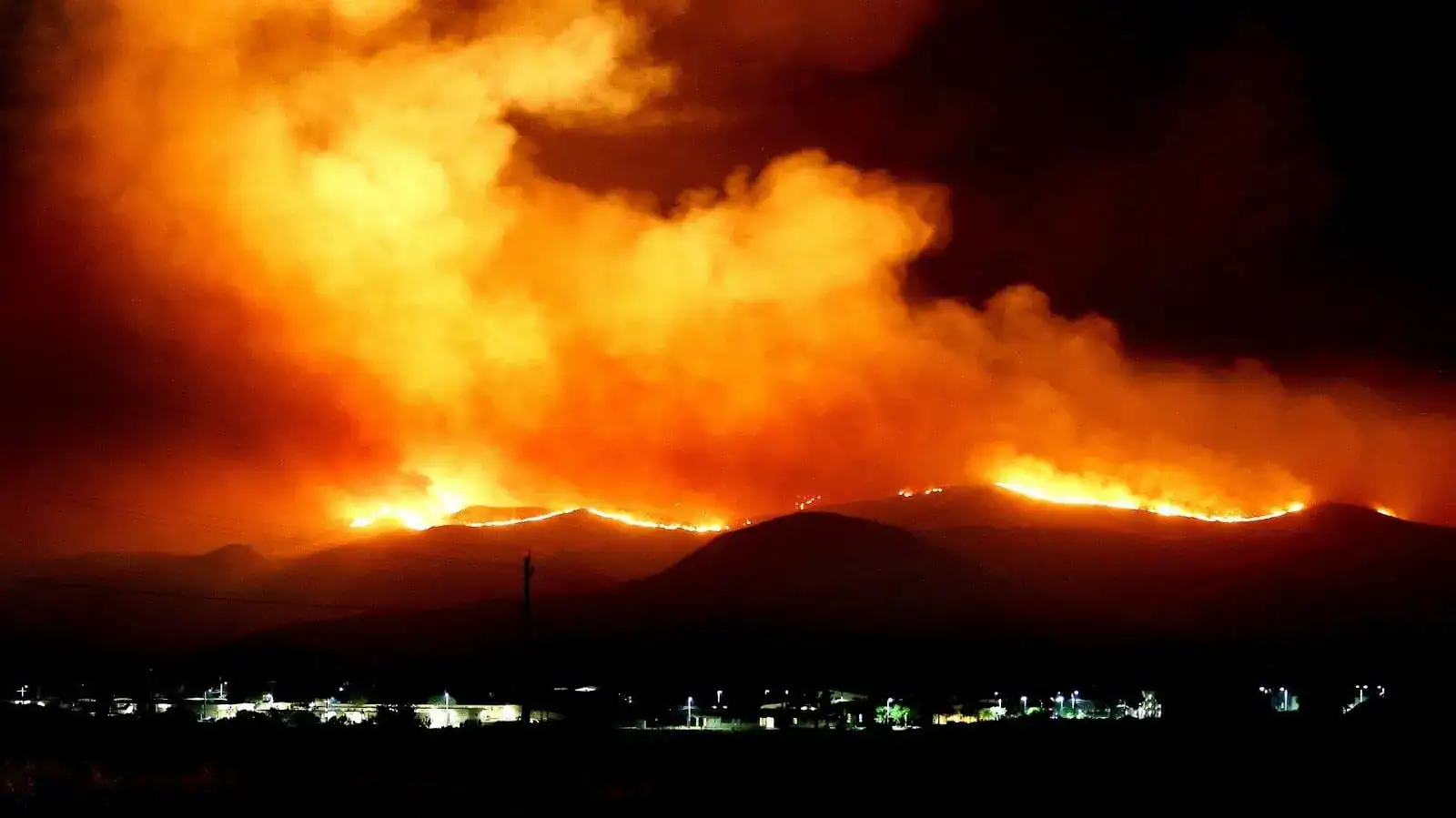
While fire retardants play a significant role in combating wildfires and protecting communities, their use often comes with unintended environmental consequences. These chemical mixtures, primarily composed of ammonium phosphate or sulfate, are dropped onto burning areas to slow the spread of fire. However, when it rains or when firefighting efforts require water-based suppression, these chemicals can wash into nearby rivers and streams.
Effects of Fire Retardants on River Ecosystems
The entry of fire retardants into freshwater ecosystems disrupts delicate balances. High phosphate levels can lead to algal blooms, which deplete oxygen in the water and harm aquatic life. Fish, amphibians, and macroinvertebrates are particularly vulnerable to these oxygen-depleted environments, leading to declines in biodiversity. Furthermore, fire retardants can alter the pH of water systems, negatively affecting species that are sensitive to even slight changes in acidity.
Landslide Contributions to River Pollution
The aftermath of wildfires often exacerbates these issues through the increased risk of landslides. When vegetation is destroyed, the soil becomes loose and unable to hold during heavy rains. As landslides occur, they carry sediment, ash, and contaminants—including fire retardants—into rivers. This surge in debris can choke rivers, smother aquatic habitats, and reduce water quality for both human and ecological needs.
Downstream Effects on the Ocean
As rivers carry these pollutants downstream, they ultimately deposit them into the ocean. Coastal zones, which are already burdened by threats like plastic pollution and rising temperatures, face additional stress from these wildfire-related pollutants.
Excess sediment and nutrients from landslide runoff contribute to “dead zones,” where marine life struggles to survive due to depleted oxygen levels.
Algal blooms, often fueled by the phosphate-rich fire retardants, can extend into marine ecosystems, further disrupting the food chain and the overall health of the ocean.
These interconnected issues demonstrate the complex relationship between wildfires on land and the health of water systems that feed into the ocean.
Los Angeles Wildfires and the Global Connection
While Los Angeles wildfires are undeniably a local disaster, they are part of a broader global phenomenon that connects regions, ecosystems, and human communities. Wildfires are happening more frequently across the globe—from Australia to the Amazon to Siberia—and what causes wildfires and their severity often ties back to two common denominators: climate change and the health of the ocean.
The ocean plays a crucial role in regulating Earth’s climate. Rising ocean temperatures contribute to shifts in atmospheric patterns, leading to more extreme heatwaves and erratic rainfall—the very conditions that fuel wildfires. For Los Angeles, its proximity to the Pacific Ocean underscores this global interconnectedness. Heatwaves amplified by the ocean’s thermal imbalances dry out landscapes, while reduced oceanic moisture prevents the formation of clouds that can bring life-saving rain.
We are all deeply connected by “our one world ocean,” which circulates heat and moisture across the planet, linking ecosystems and climates in a delicate balance. Protecting the ocean against threats such as pollution and rising temperatures isn’t just about saving marine life—it’s about ensuring the planet remains livable for us all.
Conclusion: A Shared Responsibility
The increasing frequency and severity of wildfires demand urgent action. Los Angeles fires illustrate how deeply interconnected the issue is with urbanization, climate change, natural phenomena, and policy decisions. While we can’t fully stop wildfires, becoming more aware of their causes—both natural and man-made—allows humanity to step up in preserving communities, ecosystems, and economies.
Through a combination of policy reform, environmental stewardship, and increased community education, the path to mitigating wildfires is becoming clearer. However, it requires collective action and continuous effort to ensure that the flames of unmitigated wildfires don’t continue to define our future.
A Call to Action: Supporting Ocean Blue in the Fight Against Plastic Pollution
One pressing issue that bridges the oceans and the atmosphere is plastic pollution. Ocean plastics break down into microplastics that contribute to greenhouse gas emissions as they decompose. Moreover, the production of plastics is heavily reliant on fossil fuels, further driving climate change and, by extension, the conditions that foster wildfires. By addressing plastic pollution, we lessen the burden on the oceans, reduce atmospheric carbon, and create healthier ecosystems resilient to fire and other climate-related disasters.
By supporting organizations like Ocean Blue, individuals can take proactive steps to reduce plastic waste, restore shoreline ecosystems, and advocate for sustainable solutions. It’s time for us all to step up and commit to protecting our shared environment.
Start today by donating, volunteering, or spreading awareness about the interconnected issues of ocean health, climate change, and wildfire prevention.
Become an Ocean Blue Wavemaker
You can make a direct impact by becoming an Ocean Blue Wavemaker! Fundraising for Ocean Blue is one of the most empowering ways to contribute to ocean health and environmental restoration. Every single dollar raised supports crucial clean-up initiatives, with each $1 donated removing an incredible 5 pounds of plastic and debris from our oceans and shorelines. By joining this mission, you’re not just helping to protect marine ecosystems but also taking an active role in combating climate change and preserving our planet for future generations. Start your journey today and become a true champion for our one world ocean!
