
Where Does Litter Come From: Understanding Sources and Solutions

Litter mainly comes from human activities such as waste disposal, urban runoff, and transportation. Understanding where does litter come from is crucial for addressing its environmental impact. This article will delve into the major sources of litter, its effects on marine ecosystems, and strategies for mitigation.
Key Takeaways
- Urban areas, stormwater runoff, and river mouths are the primary sources of litter affecting the Chesapeake Bay, necessitating targeted cleanup efforts.
- Litter poses severe risks to marine ecosystems and human health, degrading water quality and contributing to harmful microplastic pollution.
- Effective litter reduction strategies, including improved waste management, public education, and stronger policies, are essential for preserving the health of the Chesapeake Bay.
Major Sources of Litter
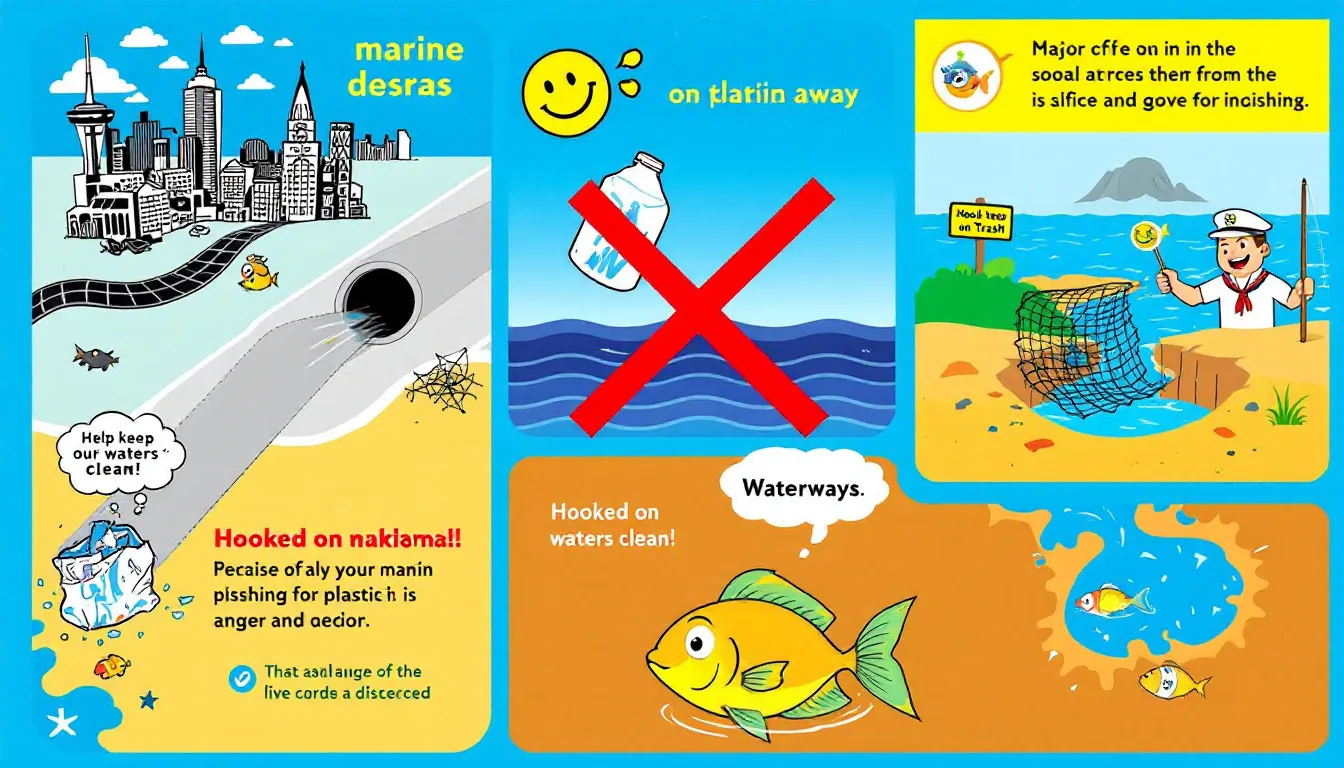
Identifying the major sources of litter helps in addressing the problem effectively. The Chesapeake Bay region is heavily affected by litter, with significant contributions from urban areas, stormwater runoff, and river mouths. These sources collectively transport litter into the bay, presenting a complex challenge that needs targeted solutions.
Urban Areas

Urban centers, especially those with high population density like Baltimore and Washington D.C., are significant contributors to litter in the Chesapeake Bay. High population density in these areas results in substantial waste, much of which ends up in storm drains and eventually flows into the bay.
Waste from urban areas, including plastic bottles and cigarette butts, often makes its way into the bay’s waterways, worsening the pollution issue.
Stormwater Runoff
ocean-blue-project-plastic-and-human-health-reportStormwater runoff significantly contributes to litter entering the Chesapeake Bay. When it rains, water flows over streets, parking lots, and yards, picking up trash along the way. This runoff then travels through storm drains and directly into the bay, carrying with it an array of pollutants. Litter accumulation from stormwater runoff degrades water quality and marine habitats, impacting the Chesapeake Bay ecosystem.
The Chesapeake Bay watershed, which includes areas from the Susquehanna River Valley and Potomac River, is particularly vulnerable to pollution from stormwater runoff. Rivers and streams in the watershed transport litter from inland areas to the bay. This highlights the need for comprehensive stormwater management practices to reduce the amount of litter entering the bay from these sources.
River Mouths

River mouths, where rivers meet the Chesapeake Bay, are hotspots for litter accumulation. Approximately 51 billion gallons of fresh water enter the bay daily, carrying with it litter deposited upstream. Major rivers such as the Susquehanna, Potomac, and James Rivers contribute significantly to this influx of litter. These rivers drain vast areas of land, collecting trash from various sources along their course and depositing it into the bay.
The Chesapeake Bay watershed, spanning 64,000 square miles, encompasses numerous rivers and streams that all play a role in litter transportation. Regions like Havre de Grace and Chesapeake Beach often experience significant litter accumulation at river mouths. This underscores the importance of addressing litter at its source to prevent it from reaching these critical junctions.
Impact of Litter on Marine Ecosystems
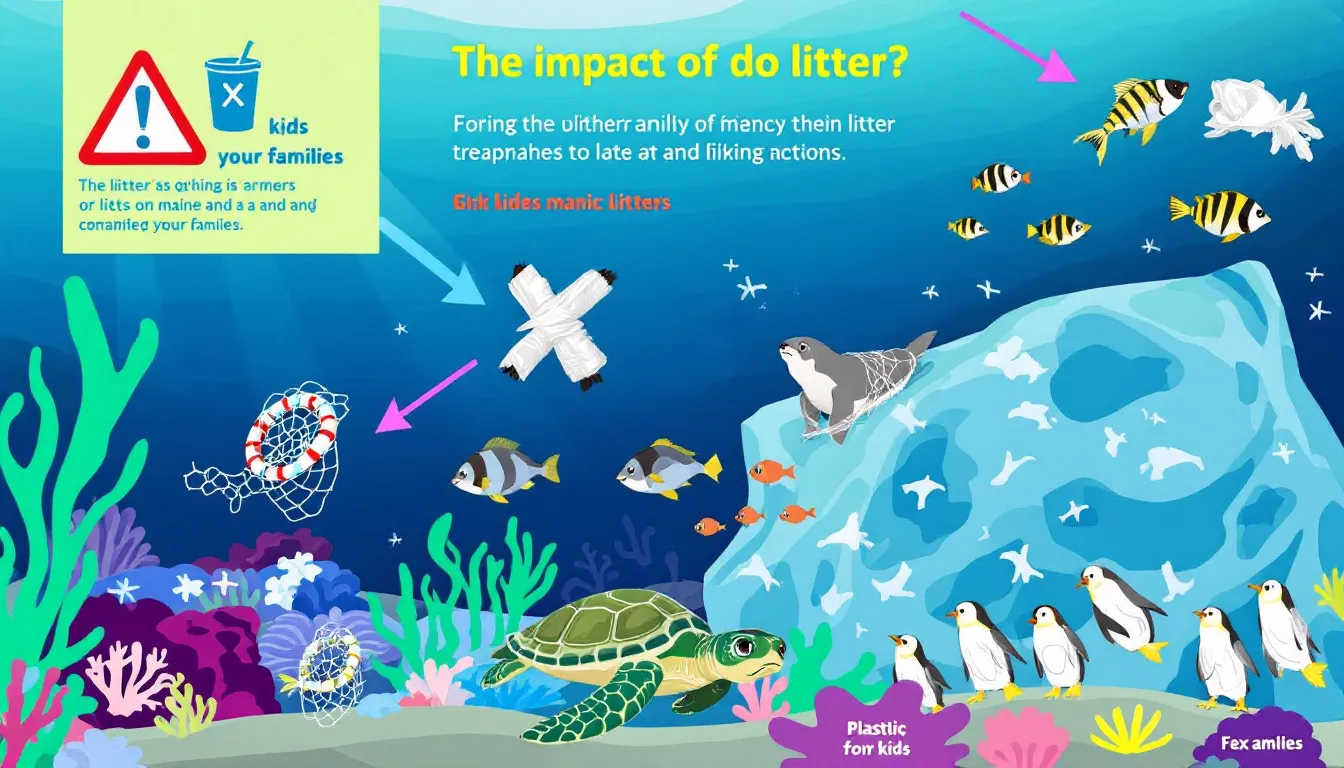
Litter profoundly impacts marine ecosystems in various ways. Marine debris, especially plastics, can lead to severe injuries or fatalities in wildlife as animals often ingest or become entangled in the debris. The presence of litter disrupts ecosystems, harms wildlife, and degrades water quality, posing significant challenges to the health of the Chesapeake Bay.
How_Many_Animals_Die_from_Plastic_Pollution-_Hemingway_Analysis.docx (1)Microplastics

Microplastics are a particular concern in the Chesapeake Bay, with studies indicating that these tiny plastic particles are present in 98% of water samples taken from the bay. Microplastics accumulate near shorelines and in underwater plant beds, affecting the health of these environments. The pervasive presence of microplastics poses serious concerns for marine ecosystems and wildlife reliant on clean water habitats.
Often invisible to the naked eye, these small particles can devastate marine life. Microplastics can be ingested by fish and other marine organisms, entering the food chain and potentially impacting human health as well.
Microplastic accumulation in the bay underscores the urgent need for effective waste management and pollution control measures.
Wildlife Habitat

Plastics and other litter disrupt wildlife habitats by contaminating water and impacting the health of species reliant on clean environments. The Susquehanna River Valley, for example, is a critical area for litter accumulation that directly influences the health of the Chesapeake Bay. Efforts to reduce litter in these key areas can lead to substantial recovery in the bay’s aquatic life and overall ecosystem health.
Litter reduction strategies like those by the Ocean Blue Project significantly benefit wildlife habitats. The project engages volunteers in cleanup efforts, helping to restore the natural balance and improve biodiversity in the bay. By addressing the root causes of litter and involving the community in conservation efforts, we can protect and preserve these vital habitats for future generations.
Water Quality

Litter contaminants have been shown to degrade water quality, which in turn impacts recreational activities like fishing and boating in the Chesapeake Bay. Plastic pollution in waterways can leach harmful chemicals, compromising water quality and endangering aquatic life. Litter also diminishes the bay’s aesthetic value, making it less appealing for residents and tourists.
Rivers flowing into the Chesapeake Bay carry accumulated litter from upstream locations, further impacting water quality in the bay. Successful litter reduction initiatives can lead to cleaner waterways, supporting healthier marine life and improved water quality in the Chesapeake Bay.
By reducing the amount of litter entering the bay, we can enhance the overall health and sustainability of this vital ecosystem.
Geographic Hotspots for Litter
Certain areas within the Chesapeake Bay region are especially prone to litter accumulation. These areas, which include shorelines, river valleys, and major rivers, play a crucial role in the overall pollution problem.
Tackling litter in these hotspots is vital for the health of the bay and its ecosystems.
Shoreline Areas
Shorelines often exhibit the earliest signs of litter accumulation. Microplastics, for instance, can concentrate in specific habitats like shorelines and underwater grass beds, making them hotspots for pollution. The James and York rivers, significant tributaries of the Chesapeake Bay, contribute to the water quality and litter accumulation in these areas.
Urban and suburban locations along the Atlantic Coast are particularly affected, highlighting the need for targeted cleanup efforts.
Susquehanna River Valley
The Susquehanna River Valley is a significant hotspot for litter. This region contributes notable amounts of litter to the Chesapeake Bay, influenced by runoff from surrounding areas. The litter gathered in the Susquehanna River Valley plays a crucial role in the overall pollution affecting the bay, making it a key area for targeted cleanup and pollution prevention efforts.
Potomac River
The Potomac River is recognized as a key contributor to litter entering the Chesapeake Bay, largely due to its proximity to densely populated areas like Washington D.C. The river serves as a critical pathway for litter, affected by various sources upstream and exacerbating pollution challenges in the bay.
Monitoring and managing litter in the Potomac River are crucial for reducing overall pollution in the Chesapeake Bay.
Environmental and Human Health Risks
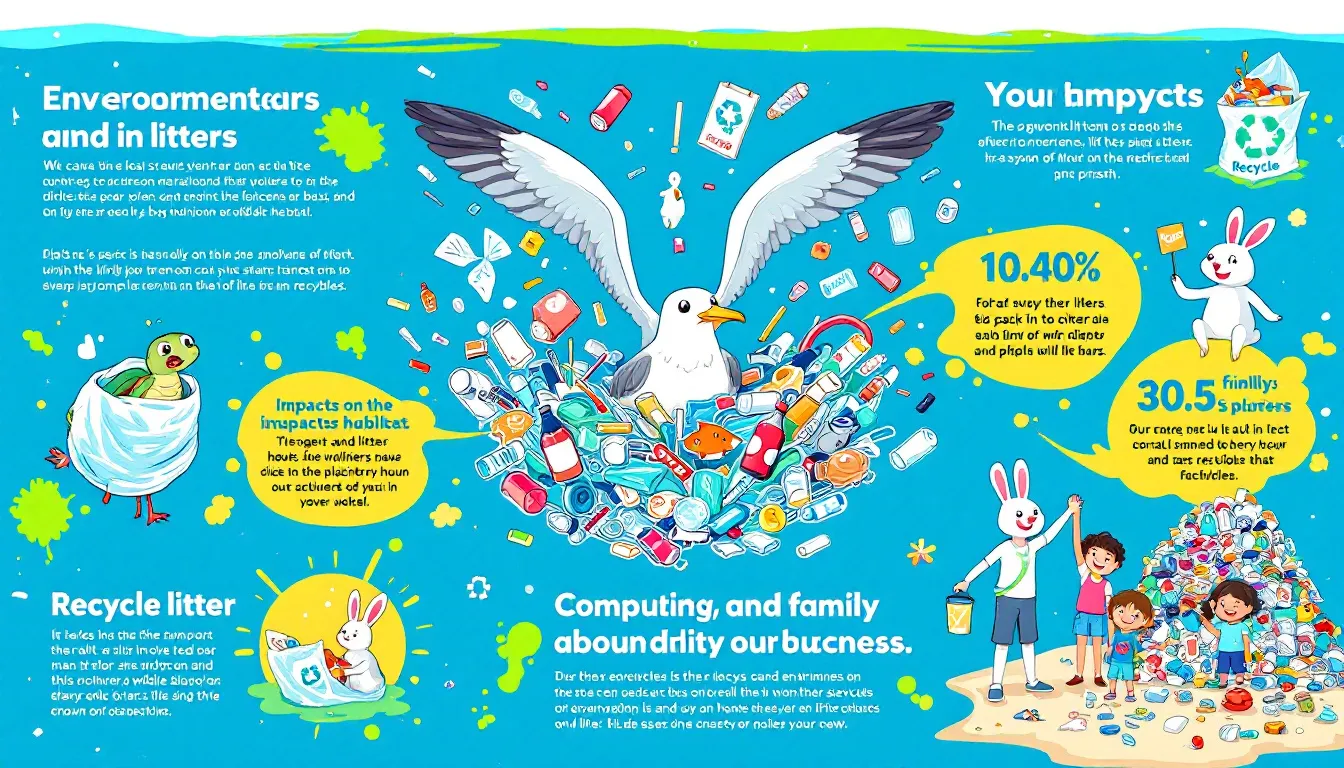
Litter in the Chesapeake Bay poses serious environmental and human health risks. From toxic chemicals leaching into the water to disease vectors proliferating in littered areas, the implications are far-reaching and concerning.
Addressing these risks is crucial for the well-being of both the ecosystem and the communities that rely on the bay.
Toxic Chemicals
Litter pollution can introduce harmful toxins into the water, threatening marine life and human health. Chemicals from plastic waste, for example, can leach into water sources, potentially affecting the health of marine organisms and humans who consume seafood from the bay. The presence of these toxins can compromise the quality of drinking water sources within the Chesapeake Bay watershed, posing a direct threat to public health.
The release of harmful chemicals from plastics and other waste materials into the water is a growing concern. These contaminants can accumulate in the tissues of marine organisms, entering the food chain and ultimately affecting human health. Tackling the sources of these toxins is crucial for protecting the environment and public health.
Disease Vectors
Littered areas can attract disease-carrying organisms, creating environments that facilitate the spread of diseases to local populations. Items of litter, such as discarded containers and tires, can collect stagnant water, providing breeding sites for mosquitoes and other vectors. This can lead to increased health risks for surrounding communities, particularly in densely populated urban areas.
Microplastics can carry harmful pathogens, potentially transmitting diseases to marine wildlife. The presence of these disease vectors in the Chesapeake Bay underscores the urgent need for effective litter management and cleanup efforts to protect public health and ensure the safety of the bay’s ecosystem.
Drinking Water
Contamination of drinking water sources is a significant risk due to litter in the Chesapeake Bay watershed. Millions of residents rely on these water supplies, and the presence of litter can compromise water quality, posing a direct threat to public health.
Clean and safe drinking water necessitates addressing litter sources and implementing effective pollution control measures.
Institutional Responses and Cleanup Efforts
Organizations and local governments are actively addressing the litter problem in the Chesapeake Bay. Through targeted cleanup efforts and partnerships with local communities, these institutions aim to enhance the health of the bay and its surrounding ecosystems.
Collaboration and collective action are key to achieving sustainable results.
Ocean Blue Project Initiatives
The Ocean Blue Project has been a driving force in cleaning up the Chesapeake Bay for almost two years. Since its inception, the organization has successfully removed over 2 million pounds of plastic and debris from coastlines and waterways. The project engages volunteers in cleanup efforts, supporting marine ecosystems’ health. Volunteer-driven initiatives remove waste and raise awareness about maintaining a clean and healthy bay.
The Ocean Blue Project focuses on removing plastic waste from the Chesapeake Bay and its tributaries through organized clean-ups. By actively engaging in service learning projects and promoting ocean plastic cleanup and conservation, the organization contributes to the sustainability of the one world ocean and the world’s oceans. Their efforts help improve biodiversity, protect underwater ecosystems, and support the overall health of marine life in the Chesapeake Bay.
Ocean Blue Project facility will be compacting cans and plastic bottles collected to help lower the amount of litter out of local landfills. The bundles will be shipped to be recycled in the North East.
Investment in Recycling Programs
Financial commitments are critical for upgrading recycling facilities to handle the increasing volume and complexity of plastic waste effectively. Estimates indicate that $36.5 to $43.4 billion in investment is necessary to upgrade the recycling infrastructure, which includes enhancing curbside collection, drop-off sites, and processing facilities.
The Bipartisan Infrastructure Law allocates over $117 million to state and local recycling programs for better waste management systems. Such investments are essential to revamp the system and ensure efficient and effective recycling processes.
Technological Innovations in Recycling
Technological innovations are crucial for making recycling more efficient and effective in tackling the plastic waste crisis. Recent advancements include automated sorting systems that can identify and separate materials more accurately than human labor. These technologies not only improve the quality of recycled materials but also significantly increase the volume of recyclables processed.
Such innovations are essential for transforming recycling efforts and protecting the environment. Advanced technologies, such as chemical recycling, are capable of processing nearly all types of plastics, including those that are typically hard to recycle.
Local Government Actions
Local governments play a crucial role in addressing litter issues in the Chesapeake Bay region. Enhancing waste management systems, increasing recycling rates, and providing more accessible disposal options significantly reduce litter entering waterways.
Actions by local governments, including stricter waste management regulations and anti-littering laws, are essential for combating pollution and supporting cleanup efforts.
Community Involvement

Community involvement is vital for the success of cleanup efforts in the Chesapeake Bay. Events like Clean the Bay Day and Project Clean Stream engage thousands of volunteers in removing trash from local waters. These initiatives foster a collective responsibility for maintaining the health of the bay and connect people through service learning projects.
Educational campaigns about the ecological effects of litter can lead to greater community participation and positive environmental impact.
Strategies for Reducing Litter
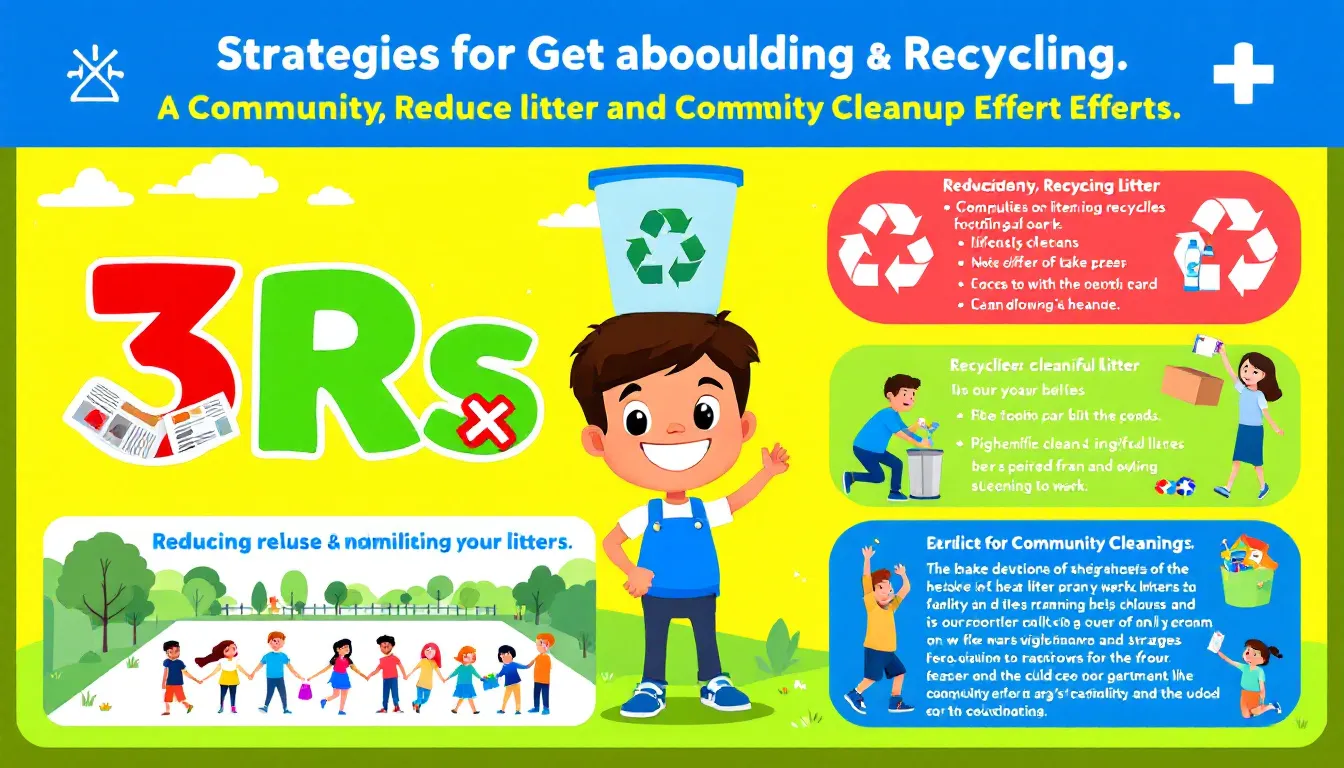
Effective strategies for reducing litter are essential for protecting the Chesapeake Bay. These strategies include improving waste management practices, public education campaigns, and policy changes.
By implementing these measures, we can significantly reduce the amount of litter entering the bay and enhance the health of its ecosystems.
Improving Waste Management

Enhancing waste management practices is crucial for reducing litter in the Chesapeake Bay. Implementing efficient waste collection schedules can significantly reduce litter accumulation in urban areas. Additionally, addressing emissions from wastewater treatment plants, which release millions of microparticles daily, is vital for reducing water pollution. Effective waste management practices help prevent litter from accumulating in urban areas and reaching waterways, contributing to a cleaner bay.
Strategies such as planting trees and improving biodiversity can also play a role in waste management by enhancing natural filtration systems and reducing runoff. These efforts, combined with community involvement and policy changes, can lead to positive change and better water quality in the Chesapeake Bay.
Public Education

Public education is essential for raising awareness about the environmental impacts of littering. Local governments have initiated public awareness campaigns to combat litter problems in the Chesapeake Bay area. Educational campaigns can significantly influence littering behavior and promote environmental stewardship.
Informing the public about litter’s negative effects motivates residents to adopt responsible disposal habits and support cleanup efforts.
Policy Changes

Policy changes are necessary to enforce stricter anti-littering laws and promote responsible waste disposal behavior. Advocating for stricter enforcement of existing litter laws can deter littering and improve community cleanliness.
Local governments in the Chesapeake Bay region have implemented stricter regulations on waste management to combat litter and pollution. Strengthening local laws and imposing fines for littering can act as a deterrent and support environmental protection efforts.
Future Outlook
The future of the Chesapeake Bay relies on successfully implementing litter reduction strategies. Improving waste management, promoting public education, and enforcing stricter policies can significantly enhance the bay’s ecosystem health.
Ongoing dedication and innovation are essential for effectively tackling the growing challenges of litter and ensuring a sustainable future for the bay.
Positive Change

Collective action and community involvement can bring about positive change. Local governments and organizations like the Ocean Blue Project actively remove plastic and debris from the Chesapeake Bay, promoting healthier aquatic ecosystems. Public education campaigns and policy changes are crucial for raising awareness and enforcing stricter anti-littering laws.
These efforts can lead to a better future for the bay and its surrounding communities.
Challenges Ahead
Despite progress, significant challenges remain in addressing Chesapeake Bay litter. Ongoing issues such as climate change, urban runoff, and insufficient public awareness continue to threaten effective litter management. Tackling these challenges requires ongoing dedication and innovative solutions. Institutional responses, including local government actions and community involvement, are crucial for successful cleanup efforts.
Future generations depend on our ability to implement effective litter reduction strategies and maintain the health of the Chesapeake Bay. By focusing on improving waste management, promoting public education, and enforcing stricter policies, we can ensure a sustainable future for the bay and its ecosystems. The commitment to preserving the bay’s health must remain a priority as we navigate the challenges ahead.
Summary

In summary, the Chesapeake Bay faces significant challenges from litter, with major sources including urban areas, stormwater runoff, and river mouths. The impact of litter on marine ecosystems is profound, affecting wildlife habitats, water quality, and overall ecosystem health. Geographic hotspots like shoreline areas, the Susquehanna River Valley, and the Potomac River are particularly affected, highlighting the need for targeted cleanup efforts.
Efforts to address litter in the Chesapeake Bay involve a combination of institutional responses, community involvement, and strategic initiatives. Organizations like the Ocean Blue Project, local governments, and public education campaigns play a vital role in reducing litter and promoting environmental stewardship. By implementing effective waste management practices, policy changes, and public awareness campaigns, we can achieve significant positive changes and ensure a better future for the bay and its ecosystems.
Frequently Asked Questions
What are the main sources of litter in the Chesapeake Bay?
The primary sources of litter in the Chesapeake Bay are urban areas, stormwater runoff, and river mouths. These contribute to the pollution as waste from densely populated regions and debris carried by runoff accumulate in the bay.
How do microplastics affect the Chesapeake Bay?
Microplastics significantly impact the Chesapeake Bay, as they are found in 98% of water samples and accumulate in critical habitats, threatening marine ecosystems and wildlife. Their presence underscores the urgent need for addressing pollution in this vital waterway.
What role does the Ocean Blue Project play in cleaning the Chesapeake Bay?
The Ocean Blue Project plays a crucial role in cleaning the Chesapeake Bay by removing over 1 million pounds of plastic and debris from its waters and coastlines. Through volunteer engagement and a strong commitment to ocean conservation, the project effectively improves the health of this vital ecosystem.
How can community involvement help reduce litter in the Chesapeake Bay?
Community involvement significantly reduces litter in the Chesapeake Bay by engaging volunteers in cleanup events and raising awareness about the ecological impacts of litter. Such participation not only fosters a sense of stewardship but also leads to tangible improvements in the bay’s health.
What strategies are effective in reducing litter in the Chesapeake Bay?
Improving waste management practices, conducting public education campaigns, and implementing stricter anti-littering laws are effective strategies for reducing litter in the Chesapeake Bay. These measures are crucial for protecting the bay’s ecosystems and enhancing overall environmental health.
