
- This event has passed.
Oregon Chapter of The Wildlife Society
February 25 @ 12:30 pm - 3:30 pm PST
1207 N Promenade Seaside, OR 97138 + Google Map
Free
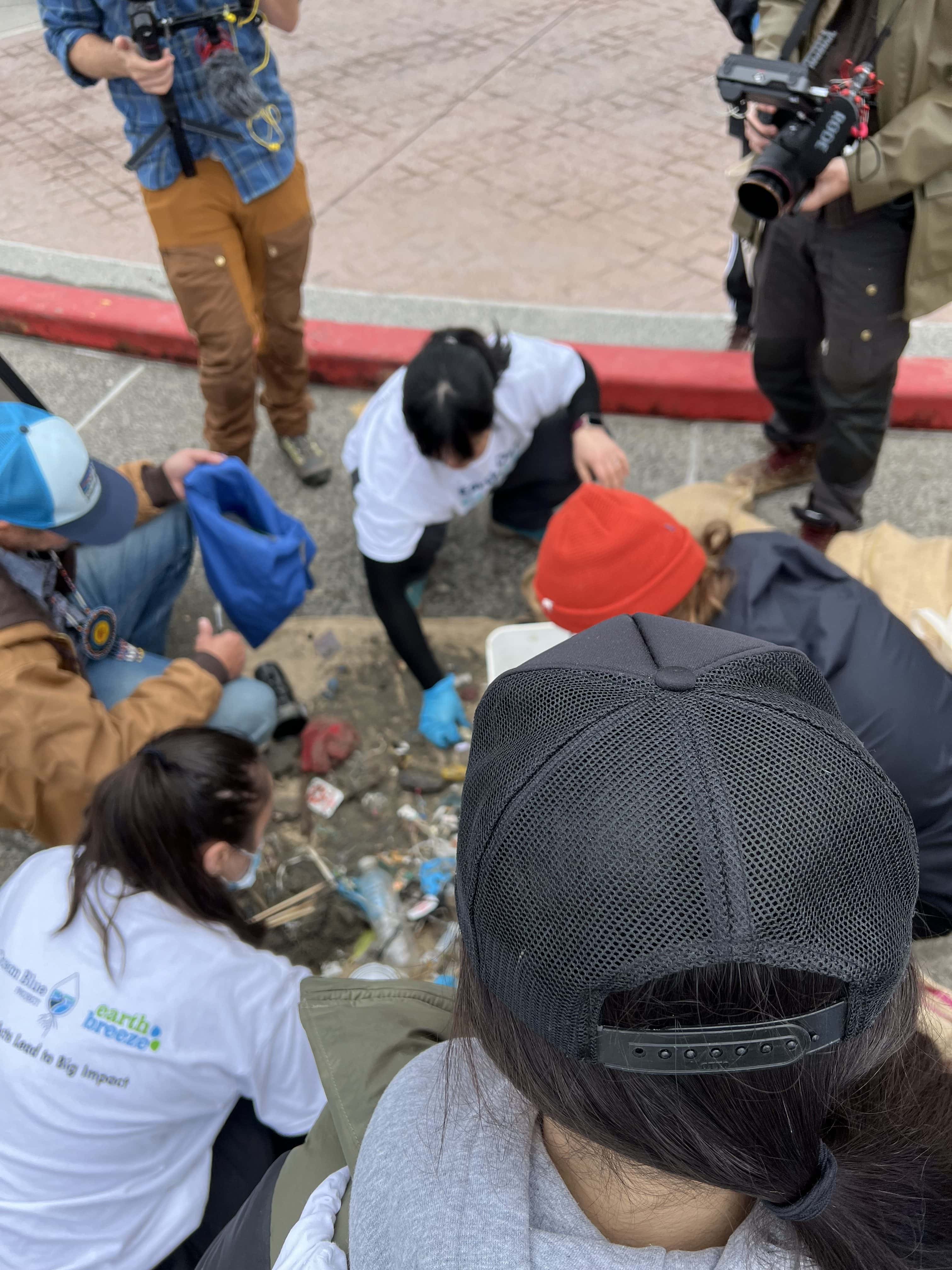
The Oregon Chapter of The Wildlife Society is holding their 2026 Annual Meeting in Seaside, Oregon
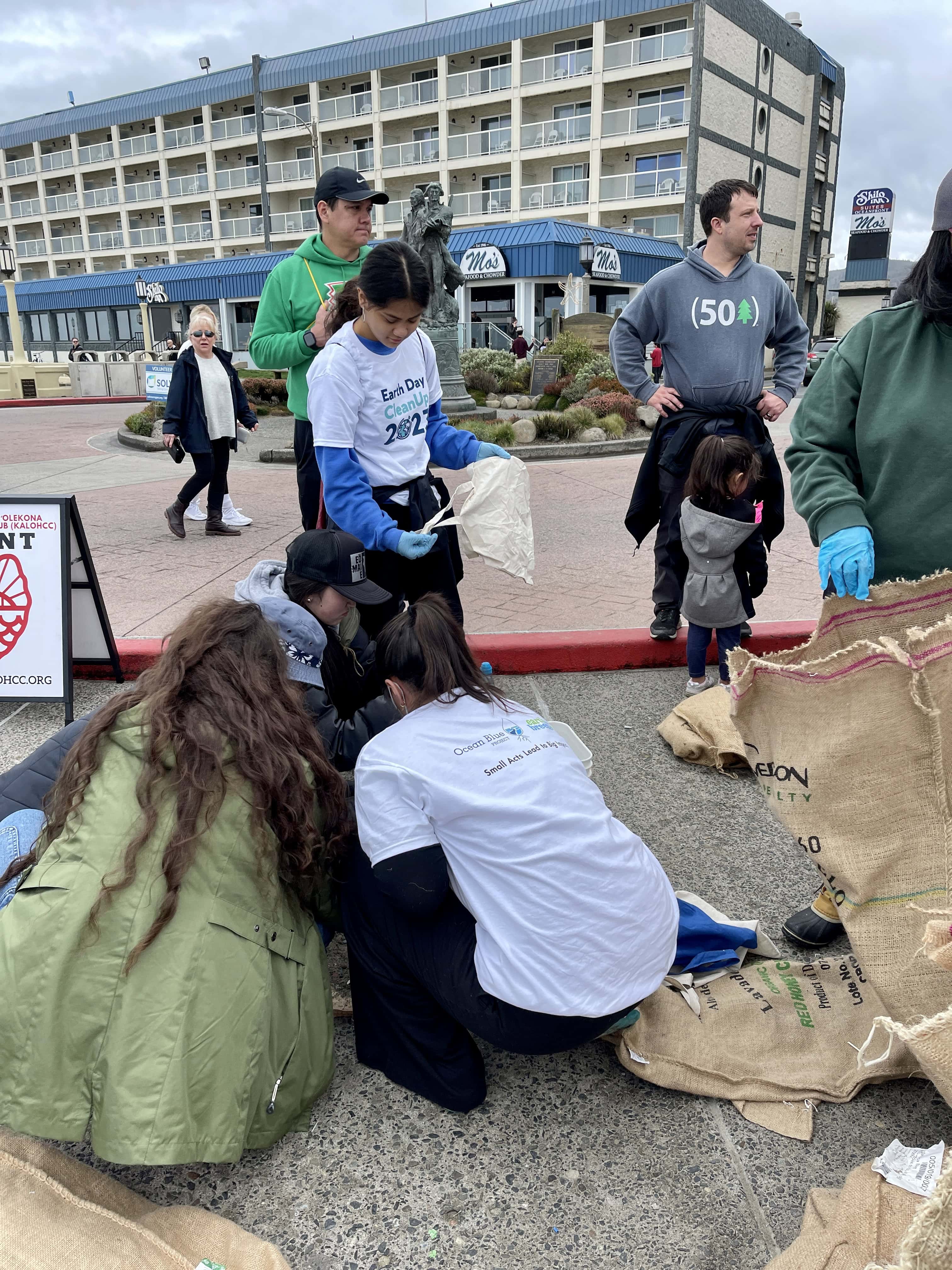
Seaside Beach Clean Up
02/25/2026 12:30 PM TO 3:30PM
1207 N Promenade
Seaside, OR
97138
Signup
Organization That Helps The Environment
As an ocean cleanup organization and a nonprofit environmental organization active in ocean conservation, Ocean Blue is proud of our ocean cleanup volunteers and the communities creating a cleaner blue ocean by registering for environmental volunteer opportunities near me and lowering the amount of plastic pollution ending up in the Great Pacific Garbage Patch.
Ocean Blue is learning more about plastic in our ocean and how marine pollution or plastic pollution is traveling down rivers into our ocean and back onto beaches. The impact of plastics on marine environments is profound, with single-use plastics being particularly prevalent in oceans. Reducing plastic pollution is critical for preserving ecosystems like coral reefs and maintaining biodiversity. Collective action is needed to address this urgent environmental issue.
Our mission is to provide complete transparency and accountability in how your donations are being utilized. We want to make sure that every penny received is put to efficient and effective use in line with our ocean cleanup organization’s objectives. Through our research and analysis, Ocean Blue is constantly seeking innovative solutions that have a positive impact on the community we serve.
Ocean Blue uses evidence-based practices, reliable data, and scientific tools to evaluate the effectiveness of our programs and initiatives. By adhering to strict ethical standards and industry best practices, we ensure that your generous contributions are being used to make a measurable difference in people’s lives.
We are committed to providing you with regular updates about our progress so that you can see firsthand the impact of your donations and the positive change that we are bringing about in the world. Sign up below to stay updated!

Ocean Blue
Details
- Date: February 25
- Time: 12:30 pm - 3:30 pm PST
- Cost: Free
Venue
- 1207 N Promenade Seaside, OR 97138
- 1207 N Promenade
Seaside, OR 97138, 97138 + Google Map
What to Pick Up
How to stop ocean pollution - Beach cleanup near me
1
Litters & Debris
Even Small Bits, Animals can mistake them for food
2
Recyclables
like glass, aluminum cans, tin cans, plastic drinking bottles
3
Trash
plastics, metals, glass, styrofoam, foil wrappers, cloth, cardboard, paper, leftover food or food waste
4
Microplastics
A. By technical definition, microplastics are about the size of sesame seeds.
B. They often come from larger plastics that break down into smaller and smaller
pieces.
C. Common sources of microplastics are plastic containers and bottles, bottle caps & lids, packaging, ropes, &
ghost nets.
D. Microplastics are found along the beach on the high tide mark, since floating debris is often left behind by the high tides.
5
Leave No Trace
Gloves, cleaning supplies, and anything
you brought with you; leave nothing behind but your footprints!
Cleanup Best Practices
- Split recyclables and trash into separate bags
- Tie trash bags and dispose in dumpsters (beware overflowing bins: they can cause items to fly away and end up back in the water)
- Don’t pick up weapons or anything that looks like it came from a hospital. Mark questionable items and inform your organizer or the lifeguard.
- If it occurs naturally in nature — like kelp, shells, driftwood — leave it be (try not disrupt animals and plants in the area)
- Know your cleanup zone boundaries and meeting times
- Take note of the nearest lifeguard station and know what to do in case of an emergency
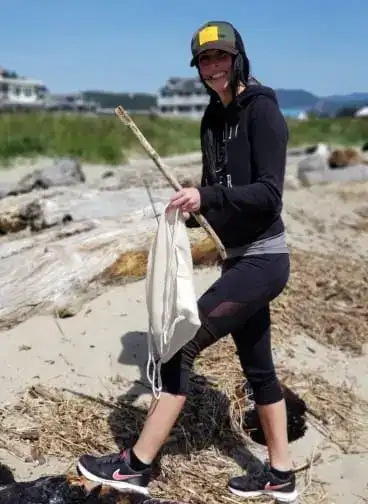
Volunteer With a Friend!
The pollution in our communities is a reflection of what’s hurting the ocean.
Whether you’re close to the water or not, you can fight ocean pollution with local changes. Make a difference by joining a community cleanup!
Most importantly, creating local community cleanups is a great way to teach youth the importance of healthy communities and clean water projects. Lastly, the more ocean plastic we can remove depends on Ocean Cleanup volunteers like you! Thank you for supporting Ocean Blue Project the save the ocean organization nonprofit.
Trying to convince a friend to join you in a cleanup? Here are a few reasons why we should all care about the health of our waters:
- The ocean provides over 70% of the oxygen we breathe
- Rivers and oceans are important sources of food
- Seaweed is an ingredient in many consumer products and captures carbon from our atmosphere
- Scientists use marine organisms for lifesaving medicines
If we keep our waters healthy, we can keep our livelihoods and economies thriving, protect wildlife, enjoy water recreation, and build a brighter future for generations to come.